
Summary
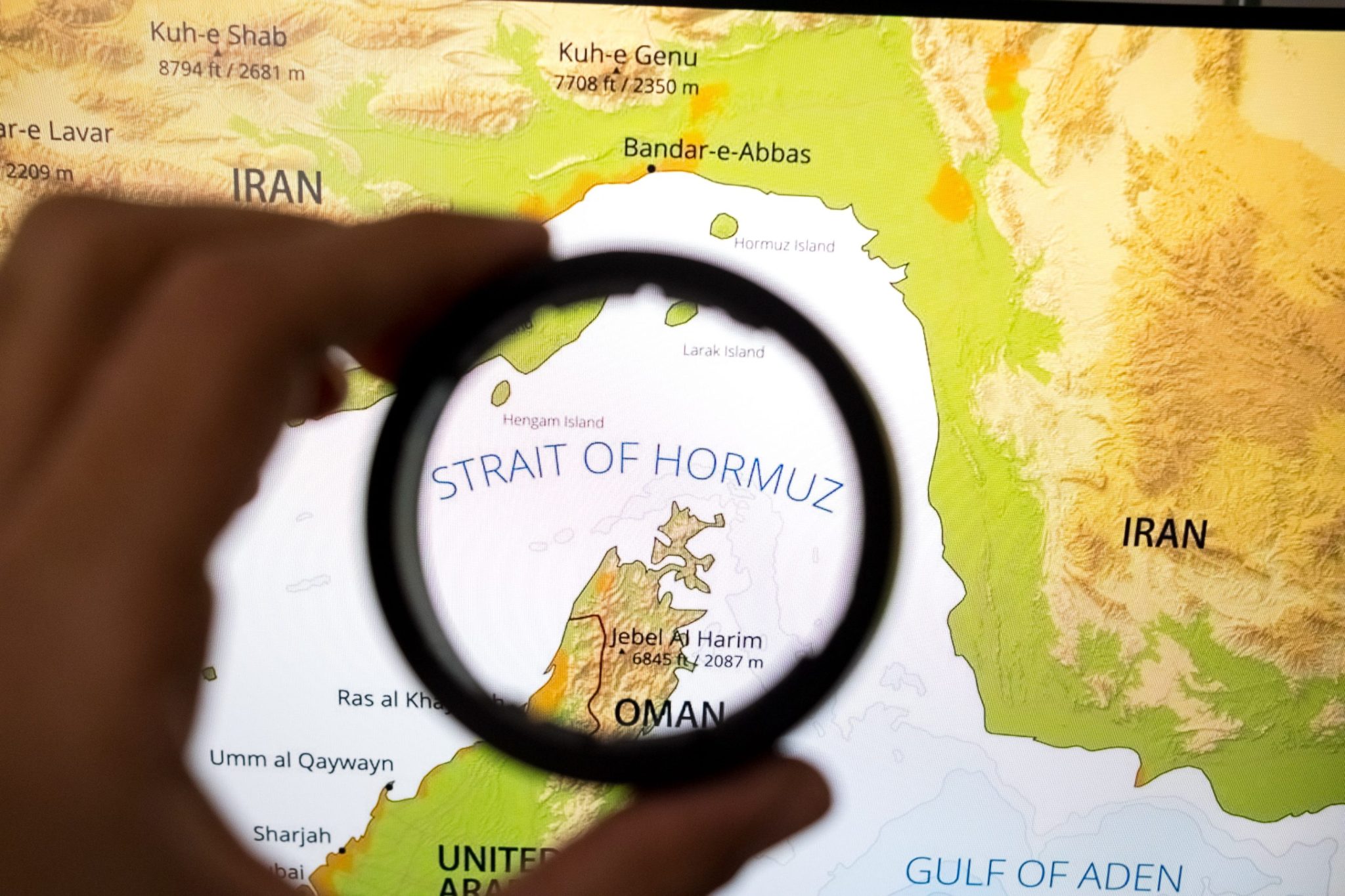
The Strait of Hormuz has become the main battleground in the ongoing U.S.-Iran war. With shipping through the waterway nearly stopped, experts are now looking at a toll system as a possible solution. Both Iran and Oman have proposed charging fees for ships that pass through the strait. A research firm says this could bring in billions of dollars each year for the two countries.
Main Impact
The war has almost completely shut down the Strait of Hormuz, a narrow waterway that once carried about 20% of the world's oil and liquefied natural gas (LNG). Today, only a few ships are moving through, according to maritime intelligence firm Kpler. The U.S. has been launching airstrikes against Iranian military targets since July 11, while Iran has responded with missile and drone attacks on U.S. forces, Gulf countries, and shipping targets. This has made the strait extremely dangerous for commercial ships.
Key Details
What Happened
The conflict started on February 28, 2026, and has only gotten worse. The U.S. military has been hitting Iranian targets with nightly airstrikes. Iran's Islamic Revolutionary Guard Corps (IRGC) has attacked ships trying to cross the strait. On July 20, the IRGC said two oil tankers exploded and were left stuck after trying to use a southern route through the waterway. The IRGC has warned that the strait "will not be safe for the transit of petrochemical products, nor even a single drop of oil and gas" as long as U.S. strikes continue.
Important Numbers and Facts
According to the Joint Maritime Information Center (JMIC), there have been 10 Iranian attacks on shipping since June 25. The threat level for the Strait of Hormuz remains severe, meaning an attack is highly likely. Crews on ships are becoming more afraid to sail through the strait, no matter what they are offered. Dimitris Maniatis, CEO of maritime risk management company Marisks, said, "It's not about money anymore... it's purely about the fear that is governing the decision-making right now."
Background and Context
The Strait of Hormuz is a critical waterway for global energy supplies. Before the war, about 20% of the world's oil and LNG passed through it. The waterway connects the Persian Gulf to the Gulf of Oman and the open ocean. Countries like Saudi Arabia, Iran, Iraq, and the United Arab Emirates rely on it to export their oil and gas. When the strait is blocked or dangerous, it disrupts global energy markets and raises prices. The current conflict has forced many ships to find other routes or stop moving altogether.
Public or Industry Reaction
Shipping companies and their crews are deeply worried. Maniatis explained that crews are unwilling to sail through the strait, even with promises of higher pay or other incentives. The fear is real and widespread. Meanwhile, experts and think tanks are looking for solutions. Oxford Economics, a global economic advisory firm, has suggested that a toll system could be less costly than letting the disruption continue. The Bourse & Bazaar Foundation, a London-based think tank, also published a report proposing fees on large oil tankers using the Gulf. They argue that a modest surcharge would have little impact on carriers while helping to fund the waterway's upkeep.
What This Means Going Forward
If a toll system is put in place, it could bring in a lot of money. Oxford Economics calculates that, at pre-war shipping volumes, Iran and Oman could earn $6.8 billion a year from fees. That is about 1.6% of their combined 2025 GDP. For comparison, Egypt made $4.7 billion from the Suez Canal in 2025/26. However, any rise in transit costs could push exporters to find other ways to move their oil. Saudi Arabia has already shifted much of its crude exports to its Red Sea terminal at Yanbu to avoid the Strait of Hormuz. DP World, a Dubai-based ports and logistics company, is also planning to develop a new port on the UAE's east coast to reduce reliance on the strait. Analysts from Goldman Sachs estimate that enough pipeline capacity could be added to protect over 45% of pre-war Gulf exports by the end of next year. By 2028, that number could rise to more than 60%.
Final Take
The war in the Strait of Hormuz is forcing a major shift in how the world moves oil and gas. A toll system might offer a way to keep the waterway open and generate revenue, but it could also push countries to find other routes. The fear among crews and the high cost of disruption are driving these changes. The future of global energy shipping may look very different from what it was before the conflict began.
Frequently Asked Questions
What is the Strait of Hormuz and why is it important?
The Strait of Hormuz is a narrow waterway between Iran and Oman that connects the Persian Gulf to the open ocean. Before the war, about 20% of the world's oil and liquefied natural gas passed through it. It is a critical route for global energy supplies.
What is the proposed toll system for the Strait of Hormuz?
Iran and Oman have both proposed charging fees for ships that pass through the strait. The fees would be used to fund safe navigation and environmental protection services. Oxford Economics says it could bring in $6.8 billion a year for the two countries.
How is the war affecting shipping through the Strait of Hormuz?
The war has made the strait very dangerous. Only a few ships are moving through now, compared to before the conflict. Crews are afraid to sail through, and there have been multiple attacks on ships. This has disrupted global energy markets and forced countries to look for alternative routes.



