
Summary
On April 17, 2026, both Iran and the United States announced that the Strait of Hormuz is now "completely open" for shipping. This news caused global oil prices to drop below $90 per barrel for the first time in over a month. However, experts warn that the waterway is not actually back to normal yet, as Iran still demands control over ship movements and the U.S. maintains its blockade on Iranian ports. While peace talks are moving forward, the actual flow of goods remains stalled as shipping companies wait for proof of safety.
Main Impact
The announcement created a sudden wave of hope in global markets, but the reality on the water is much more complicated. The Strait of Hormuz is a narrow path in the sea that is vital for the world's energy supply. When leaders said it was open, traders expected oil to start moving immediately. This caused a sharp drop in crude oil prices, which had been high for weeks due to supply fears.
Despite the positive words from officials, the impact on actual trade has been small so far. Ships are still waiting in safe areas because they do not have clear instructions or safety guarantees. The disconnect between political statements and the situation at sea means that the global energy supply is still at risk. Until ships feel safe enough to move, the high cost of shipping and the lack of fuel in some regions will continue to be a major problem for the world economy.
Key Details
What Happened
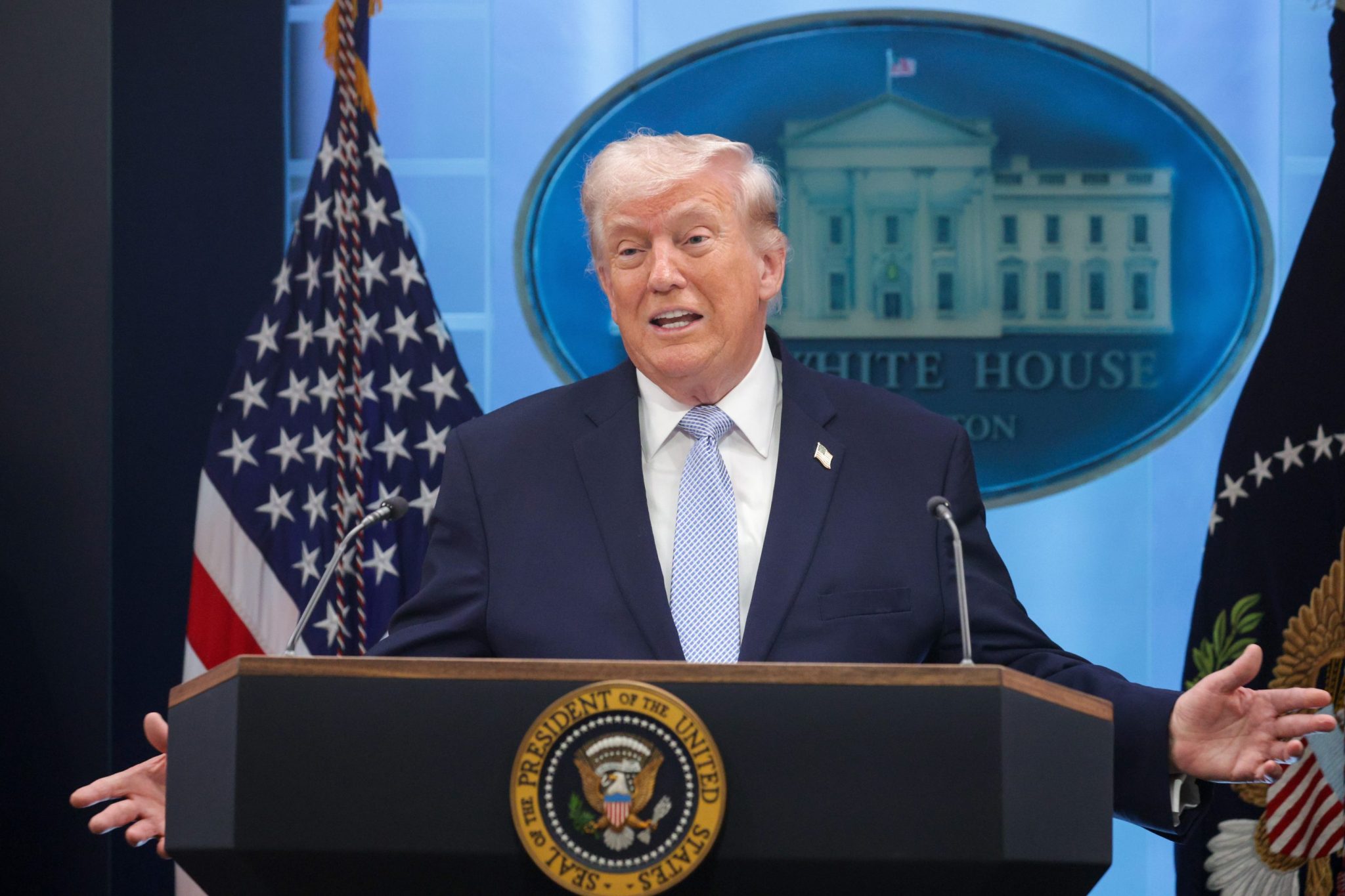
The White House and the Iranian government issued statements saying that the strait is ready for full passage. President Donald Trump told the public that the area is "ready for business." At the same time, Iran suggested it would allow ships to pass through. However, energy analysts point out that Iran still wants ships to follow its specific military orders, which might include paying fees or changing their routes. This "asterisk" on the deal means the path is not truly free for everyone yet.
Important Numbers and Facts
The closure of the strait has lasted for nearly seven weeks, creating a massive gap in the global supply chain. This waterway handles about 20% of the world's crude oil and liquefied natural gas. It is also a major route for fertilizers and chemicals used in factories. Because of the recent announcements, oil prices fell below the $90 mark, ending a long streak of rising costs. Currently, at least six large ships from the German company Hapag-Lloyd remain stuck in the Persian Gulf, unable to move until they receive better security information.
Background and Context
The Strait of Hormuz is often called a "chokepoint" because it is a very narrow area that a huge amount of trade must pass through. If it closes, the world loses a fifth of its oil supply almost instantly. This recent crisis is tied to wider tensions in the Middle East. A ceasefire between Israel and Lebanon, which happened just a day before these announcements, seems to have helped the U.S. and Iran start talking again. Iran had previously warned that it would block the strait if fighting in the region continued. Now that a ceasefire is in place, there is a path toward a peace deal, but the two sides still do not trust each other completely.
Public or Industry Reaction
The shipping industry is being very careful. Companies like Hapag-Lloyd have set up crisis committees to decide when it is safe to send their crews back into the strait. They are worried about sea mines, which are explosives hidden underwater. While President Trump claimed Iran is removing these mines, there has been no official proof of this yet. Shipping groups in Norway also stated that the situation is "unresolved." They need to know if their insurance will cover them if something goes wrong. Without insurance and clear military orders, most captains are refusing to enter the area, regardless of what politicians say on the news.
What This Means Going Forward
In the coming days, we will likely see an "interim" or temporary peace deal. This would be a short-term agreement to get ships moving while the U.S. and Iran work on a bigger, permanent solution. Iran is expected to keep some level of control over the water to maintain its power in negotiations. The U.S. will likely keep its naval blockade on Iranian oil exports until every part of the peace deal is signed. For the average person, this means gas prices might stay lower if the ships start moving, but any new military tension could send prices back up instantly. The next 24 to 48 hours are critical for seeing if the first few ships actually make it through without trouble.
Final Take
The world is desperate for the Strait of Hormuz to reopen, but words alone are not enough to fix a global shipping crisis. While the drop in oil prices is a good sign for consumers, the physical path for ships remains blocked by uncertainty and safety fears. True progress will only happen when the first tankers pass through the water safely and insurance companies agree that the danger has passed. For now, the "open" sign is hanging in the window, but the door is still locked.
Frequently Asked Questions
Why is the Strait of Hormuz so important?
It is the most important oil route in the world. About 20% of all global oil and natural gas passes through this narrow waterway. If it is blocked, energy prices go up everywhere.
Is the strait actually safe for ships right now?
Not yet. Even though leaders say it is open, there are still concerns about underwater mines and military interference. Shipping companies are waiting for more safety guarantees before moving their vessels.
Why did oil prices drop if the strait is still risky?
Oil markets often react to news and rumors. When both the U.S. and Iran said the strait was open, investors felt more confident and sold oil, which brought the price down below $90 per barrel.



