
Summary
The United Kingdom has officially accused Iran of "hijacking" a major global shipping route and holding the world economy hostage. This statement came as diplomats from more than 40 countries met to discuss the closure of the Strait of Hormuz. The vital waterway has been blocked due to the ongoing war involving the U.S., Israel, and Iran. British officials are leading an international effort to find a diplomatic way to reopen the path and lower the rising costs of food and energy.
Main Impact
The closure of the Strait of Hormuz has caused a massive disruption in global trade. Because this narrow passage is the main route for oil leaving the Middle East, its shutdown has led to a sharp increase in fuel prices. These rising costs are affecting households and businesses across the globe. Beyond energy, the blockage is also slowing down the movement of food and other essential goods, creating a financial burden for many countries that rely on international shipping.
Key Details
What Happened
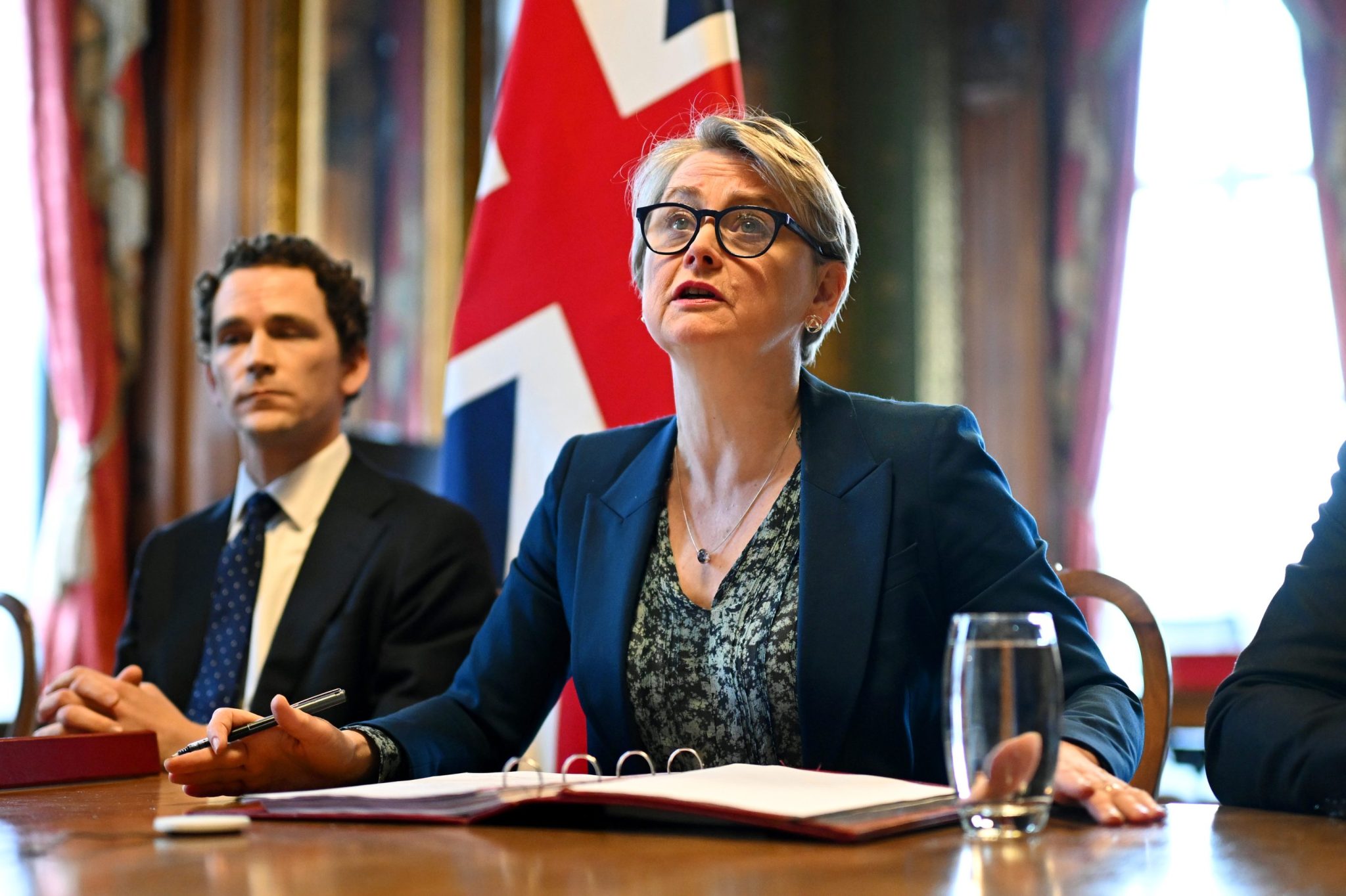
UK Foreign Secretary Yvette Cooper led a virtual meeting with representatives from over 40 nations to address the crisis. The group discussed how to use political and diplomatic pressure to clear the waterway. Notably, the United States did not take part in these talks. This follows a decision by the U.S. government to step back from its traditional role of guarding international shipping lanes in the region. Iran currently maintains a tight grip on the area, deciding which ships are allowed to pass and which are blocked.
Important Numbers and Facts
The impact of the conflict on the seas has been violent and costly. Since the war began on February 28, there have been 23 direct attacks on commercial trading ships in the Gulf. These attacks have resulted in the deaths of 11 crew members. Currently, about 2,000 ships and 20,000 sailors are trapped or unable to move safely through the region. While most trade has stopped, some tankers carrying Iranian oil are still moving through the area by avoiding international rules.
Background and Context
The Strait of Hormuz is one of the most important geographical points in the world for the global economy. It connects the Persian Gulf to the open ocean. For decades, the U.S. military has helped keep this route open to ensure the steady flow of oil. However, the current U.S. administration has changed this policy. President Donald Trump has stated that the U.S. is now a major oil exporter and does not need to spend its resources protecting a route that mainly benefits Europe and Asia. This shift has forced other countries to form their own groups to handle maritime security.
Public or Industry Reaction
The international response has been a mix of urgency and caution. French President Emmanuel Macron has stated that trying to open the strait by using military force is not a realistic option. He argued that the only way to fix the situation is through direct talks with Iran, likely after a ceasefire is reached. Meanwhile, leaders in the UK and France are trying to show that they can lead without American help. This is partly a response to criticism from the U.S. government, which has accused European allies of not doing enough for their own defense.
What This Means Going Forward
In the coming weeks, military planners from several countries will meet to discuss what happens after the fighting stops. Their main tasks will include clearing underwater mines and setting up a system to protect commercial ships. The goal is to give shipping companies the confidence to return to the area. However, as long as the war continues, the risk of drones, missiles, and sea mines remains high. If the strait stays closed for a long time, the world could see even higher inflation and more economic instability.
Final Take
The situation in the Strait of Hormuz is a clear sign of how much the world is changing. With the United States pulling back from its role as the "global policeman," other nations are being forced to step up and protect their own economic interests. The success of these 40 nations in negotiating with Iran will determine whether global trade can return to normal or if high prices and shipping delays will become the new reality for everyone.
Frequently Asked Questions
Why is the Strait of Hormuz so important?
It is the primary shipping route for oil and gas coming from the Middle East. A large portion of the world's energy supply must pass through this narrow waterway to reach global markets.
Why is the United States not involved in the talks?
The U.S. government has stated that it is no longer the responsibility of the American military to secure the strait for other countries, especially since the U.S. now produces much of its own oil.
How has the conflict affected sailors?
The war has made the area very dangerous. There have been over 20 attacks on commercial ships, leading to several deaths and leaving thousands of sailors stranded on ships that cannot safely leave the area.



