
Summary
The Strait of Hormuz, one of the most important water passages in the world, may never return to its former state of open trade. According to experts at Goldman Sachs, the current conflict between the United States, Israel, and Iran has changed the region permanently. Iran has realized that it can control the global economy by threatening to close this narrow waterway. Even if the fighting stops, the area is expected to remain under a state of "sloppy peace" where tension remains high and trade is never fully secure.
Main Impact
The ongoing standoff is creating a massive crisis for global energy markets. Because so much of the world's oil travels through the Strait of Hormuz, any disruption causes prices to jump and supplies to drop. Goldman Sachs warns that the current situation is a form of "maritime trench warfare." This means both the U.S. and Iran are stuck in a slow, painful struggle where they use economic pressure to try and force the other side to give up. This struggle is leading to fuel shortages that could cause a global economic disaster within the next two months if things do not change.
Key Details
What Happened
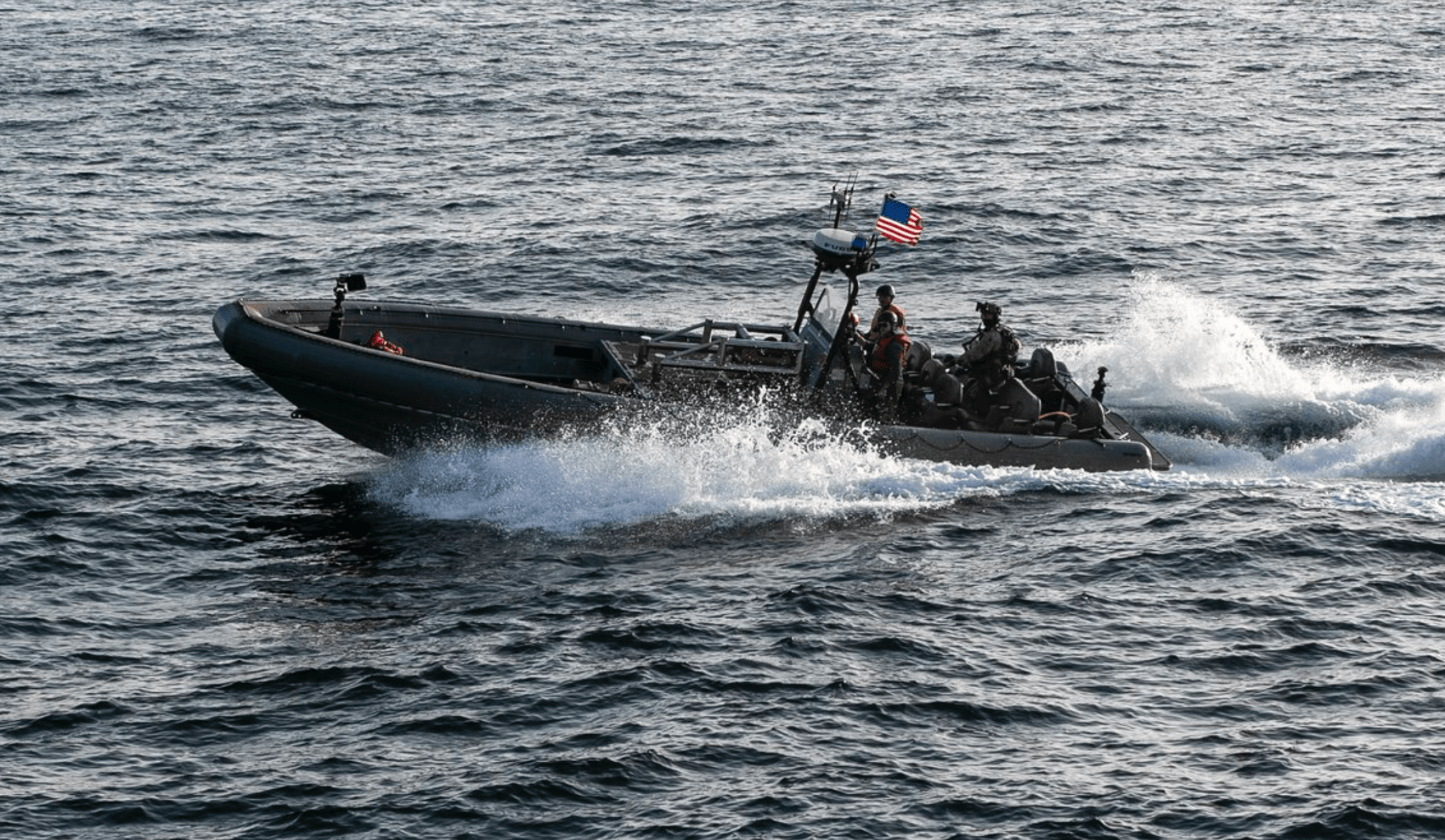
The trouble began in late February when a war involving the U.S. and Israel broke out. Since then, Iran has used its military power to block or attack ships in the Persian Gulf. While both sides are currently avoiding large-scale missile attacks on each other, the situation is far from peaceful. Small, fast boats from Iran’s military are targeting commercial ships, which has effectively kept the strait closed to many. In response, the U.S. Navy has set up a blockade to stop Iranian ships and is even sending Marines to board and seize vessels linked to Tehran. The goal of the U.S. is to cut off Iran’s ability to make money from its oil.
Important Numbers and Facts
The impact of this standoff is clear in the data. The United Arab Emirates (UAE) is moving quickly to protect itself. Currently, about 50% of the UAE's oil goes through the Strait of Hormuz. They plan to reduce that number to zero within the next three years. Saudi Arabia is also using its East-West Pipeline to move oil to the Red Sea, avoiding the dangerous strait entirely. Meanwhile, even if a peace deal is reached, Iran is expected to keep a massive stockpile of 1,000 to 2,000 missiles, ensuring they remain a threat to the region for years to come.
Background and Context
The Strait of Hormuz is a tiny but vital stretch of water between the Persian Gulf and the Gulf of Oman. It is the only way for oil tankers from major producers like Kuwait, Qatar, Saudi Arabia, and the UAE to reach the open ocean. For decades, the world has relied on this passage staying open. However, Iran’s government has often used the threat of closing the strait as a tool in arguments with Western nations. This time, the threat has turned into a reality of constant small-scale attacks and naval blockades, making it the most serious disruption in recent history.
Public or Industry Reaction
Neighboring countries in the Gulf Cooperation Council are not waiting for a perfect peace treaty. They believe that as long as the current government in Iran exists, a true and lasting peace is impossible. Instead, these countries are focusing on finding new ways to get their oil to the rest of the world. They are building more pipelines and using different ports to make the Strait of Hormuz less important. Industry experts say this is a smart move because time seems to be on Iran's side, even though the U.S. blockade is costing the Iranian government hundreds of millions of dollars in lost revenue.
What This Means Going Forward
The most likely outcome is what experts call a "sloppy peace." This is not a total end to the conflict, but rather a series of half-finished solutions. In this scenario, oil tankers might be allowed to move through the water again, but Iran would keep the power to stop them at any moment for any reason. The U.S. and Iran are still trying to talk about a ceasefire, but progress is slow. Recently, President Donald Trump decided not to send officials to Pakistan for more talks after Iran's top diplomat left the meeting. This suggests that the "game of chicken" between the two nations will continue for the foreseeable future.
Final Take
The world must prepare for a future where the Strait of Hormuz is no longer a reliable path for trade. As long as the U.S. and Iran remain in this economic and military struggle, the global energy market will stay on edge. The shift toward alternative pipelines by neighboring countries shows that the region is already moving on, treating the strait as a risk that is no longer worth taking.
Frequently Asked Questions
Why is the Strait of Hormuz so important?
It is the main path for oil leaving the Middle East. A large portion of the world's total oil supply passes through this narrow waterway every day. If it is blocked, gas prices around the world go up quickly.
What is a "sloppy peace"?
It is a situation where the fighting mostly stops, but the underlying problems are not fixed. Ships might move again, but the threat of new attacks or closures remains constant because no final agreement was reached.
How are neighboring countries responding?
Countries like Saudi Arabia and the UAE are building and using pipelines that carry oil across land to different coasts. This allows them to ship their oil to customers without having to go through the Strait of Hormuz.



