
Summary
The closure of the Strait of Hormuz has created a massive energy crisis that is hitting Asian economies the hardest. As the conflict involving Iran enters its fourth week, the blockage of this vital sea route has stopped the flow of oil and natural gas from the Middle East to the rest of the world. Because Asia relies heavily on these imports to power its factories and cities, the region is now facing a major threat to its economic survival. This situation is causing prices to rise quickly while economic growth slows down, creating a difficult situation for leaders across the continent.
Main Impact
The primary impact of this crisis is a sudden jump in energy costs that acts like a tax on global growth. Experts call this "stagflation," which is a mix of high inflation and a weak economy. For many years, governments could fix economic problems by lowering interest rates or spending more money. However, those methods do not work well when the problem is a lack of physical energy supplies. Asia is the main victim of this situation because it sits at the end of the supply chain that starts in the Persian Gulf.
Key Details
What Happened
Following military strikes by the United States and Israel, Iran blocked the Strait of Hormuz. This narrow waterway is the only way for ships to carry oil and liquefied natural gas (LNG) out of major exporting nations like Saudi Arabia, Qatar, and the United Arab Emirates. Without this path, energy shipments have come to a complete halt. Additionally, drone and missile attacks have damaged energy plants in Qatar, further reducing the amount of gas available to the global market.
Important Numbers and Facts
The economic data shows a clear divide between different parts of the world. While oil prices in the United States are around $100 per barrel, the price for Dubai crude—which Asia uses—has soared past $160. This is because about 84% of the oil that usually travels through the Strait of Hormuz is destined for Asian markets. Furthermore, Qatar, which provides 20% of the world's LNG supply, has been forced to stop deliveries because its export hubs were targeted in the conflict.
Background and Context
The Strait of Hormuz is often called a "choke point" because it is so narrow and so important. A large portion of the world's energy must pass through this small area. For decades, the global economy has relied on the free movement of ships through this region. Asia has grown rapidly during this time, but that growth was built on cheap and steady energy from the Middle East. Now that the supply is cut off, the weakness of this system is being exposed. Countries that do not have their own oil or gas are finding out how vulnerable they really are.
Public or Industry Reaction
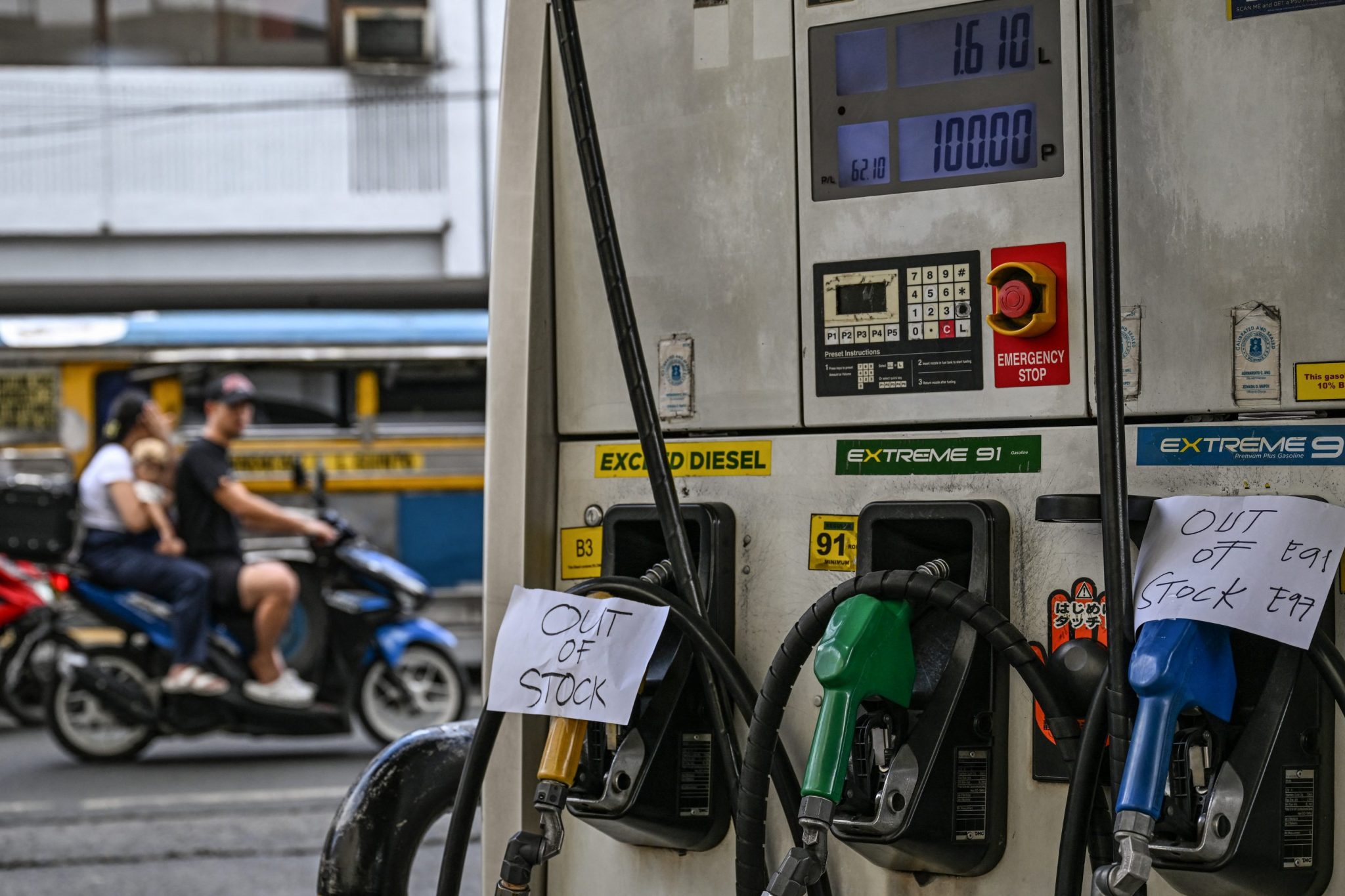
Governments across Asia are taking extreme steps to save energy and protect their citizens from high costs. South Korea has put a limit on fuel prices for the first time in 30 years and is trying to find oil from other parts of the world. In Japan, the government is releasing millions of barrels of oil from its emergency reserves. However, Japan also faces pressure from the U.S. to help reopen the strait, which creates a difficult diplomatic problem for Japanese leaders.
In Southeast Asia, the response is even more urgent. Thailand has asked people to wear short-sleeved shirts to stay cool without using air conditioning and has told many employees to work from home. In places like Bangladesh and Sri Lanka, the situation is dire. These countries have closed universities early, limited how much fuel people can buy, and even created extra holidays just to keep cars off the road and save electricity.
What This Means Going Forward
The crisis is forcing a major change in how countries get their power. Because natural gas is scarce, many nations are turning back to coal. South Korea and Thailand are increasing their use of coal power plants to keep the lights on, even though this is bad for the environment. China has also stopped exporting its own fuel to make sure it has enough for its own people, which makes things even harder for its neighbors who used to buy that fuel.
If the Strait of Hormuz remains closed, the economic damage will likely get worse. Many developing nations do not have enough money to keep helping their citizens pay for expensive fuel. This could lead to political unrest and a long period of slow economic growth that could last for years.
Final Take
The current conflict shows that the world's energy system is fragile. Asia’s dependence on a single shipping route has turned a regional war into a global economic emergency. As countries scramble to find alternatives like coal and nuclear power, the dream of a smooth transition to clean energy is being delayed by the immediate need to survive an energy shortage. The coming months will test whether Asian economies can adapt to a world where the flow of oil is no longer guaranteed.
Frequently Asked Questions
Why is the Strait of Hormuz so important?
It is the main exit for oil and gas coming from the Middle East. Most of the energy used by big Asian economies like China, Japan, and South Korea must pass through this narrow waterway.
What is stagflation?
Stagflation is an economic problem where prices for goods go up (inflation) at the same time that the economy stops growing or starts shrinking. It is very difficult for governments to fix.
How are countries saving energy?
Countries are using various methods, including fuel price caps, releasing emergency oil stocks, limiting fuel sales, and encouraging people to work from home or use less air conditioning.



