Summary
The Strait of Hormuz is currently the center of a major international crisis that is shaking the global economy. Iran recently closed this vital waterway, which serves as the world's most important path for oil shipments. In response, the United States has launched its own naval blockade to counter Iran's actions. This "blockade of a blockade" has created a dangerous standoff, leaving shipping companies confused and energy markets in a state of panic.
Main Impact
The most immediate impact of this situation is the threat to the global energy supply. Because the Strait of Hormuz is a narrow passage, any military activity there stops the flow of oil and gas to the rest of the world. This has caused oil prices to jump quickly, leading to fears of higher costs for fuel and electricity in many countries. Beyond energy, the tension has made international shipping much more expensive and risky, as insurance companies are now charging much higher rates to cover vessels in the region.
Key Details
What Happened
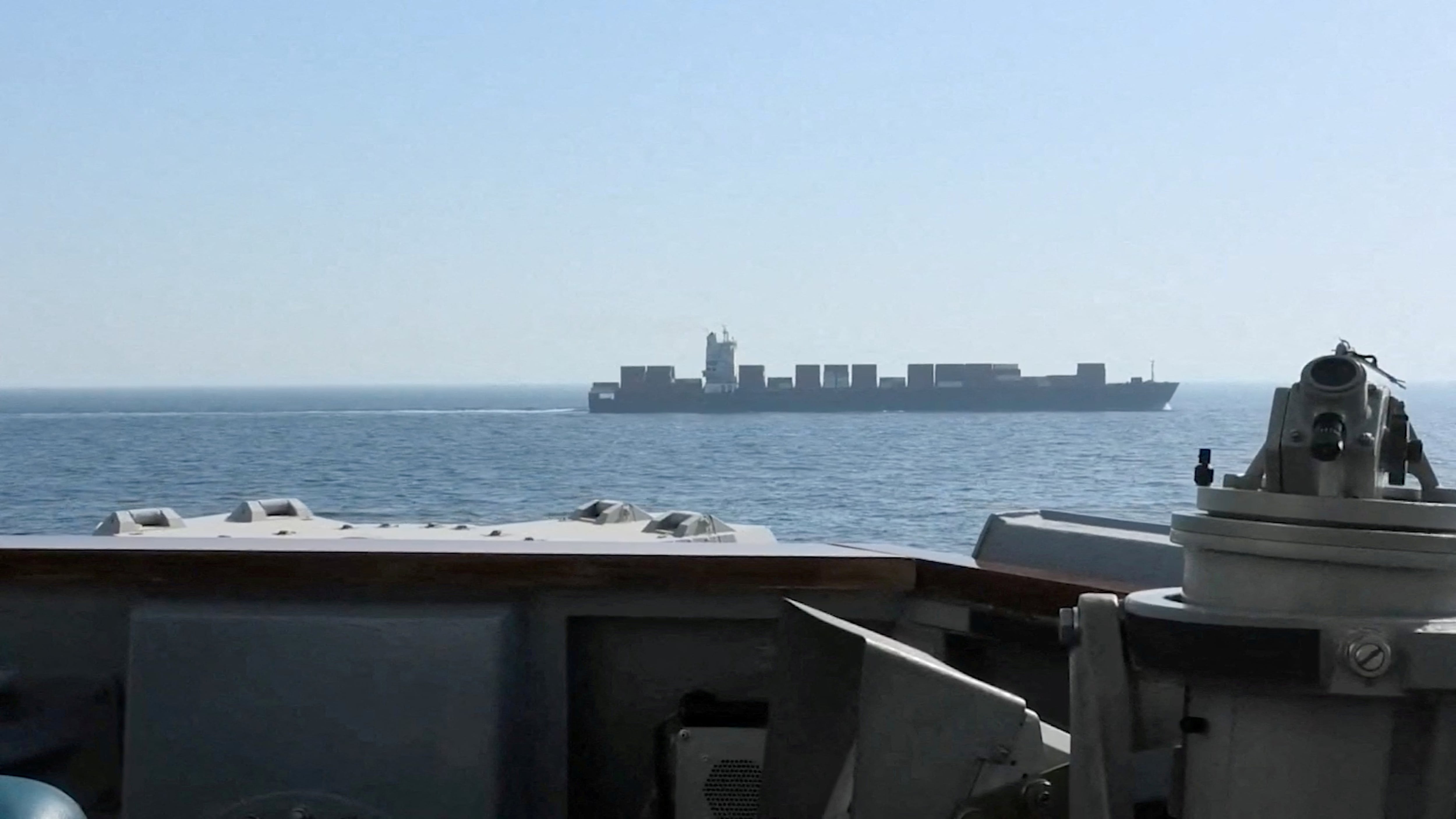
The crisis reached a new level of intensity over the past week. It began when Iran decided to block the strait, preventing ships from entering or leaving the Persian Gulf. On April 12, 2026, the United States announced it would use its navy to set up a counter-blockade. The situation became even more confusing on April 18, when Iran briefly claimed it would reopen the waterway, only to reverse that decision and close it again the very next day. Tensions peaked this past Sunday when U.S. forces boarded a cargo ship flying the Iranian flag, an act that Iran has called a major provocation.
Important Numbers and Facts
The Strait of Hormuz is only about 21 miles wide at its narrowest point, but it is the transit point for roughly 20% of the world's total oil consumption. Every day, tens of millions of barrels of oil pass through these waters. Currently, dozens of massive tankers are sitting idle, waiting for news on whether it is safe to move. The timeline of the last few days shows how fast things are changing: the U.S. blockade started on April 12, the Iranian flip-flop on reopening happened between April 18 and 19, and the ship boarding occurred on April 20.
Background and Context
To understand why this matters, you have to look at a map. The Strait of Hormuz is the only way out of the Persian Gulf for ships coming from oil-rich nations like Kuwait, Iraq, and the United Arab Emirates. It is often called a "choke point" because if it is closed, there are very few other ways to get that oil to the global market. Iran has used the threat of closing the strait in the past as a way to gain leverage in political arguments. However, the current situation is different because the United States has taken a very active role in physically stopping Iranian movements, leading to a direct military face-off.
Public or Industry Reaction
The shipping industry is in a state of shock. Many large companies have told their captains to avoid the area entirely until the situation settles down. This means ships have to take much longer routes around Africa, which adds weeks to travel times and millions of dollars in fuel costs. Economic experts are warning that if the strait remains closed for more than a few weeks, it could trigger a global recession. Meanwhile, political leaders from Europe and Asia are calling for both sides to stop the military actions and return to the bargaining table to prevent a full-scale war.
What This Means Going Forward
The next few days will be critical. If the U.S. and Iran continue to interfere with each other's ships, the risk of an accidental or intentional military battle grows. The world is watching to see if diplomatic talks can restart. For regular people, this could mean seeing higher prices at the gas station and more expensive grocery bills as shipping costs rise. The "blockade of the blockade" strategy used by the U.S. is a bold move intended to force Iran to back down, but so far, it has only led to more uncertainty and higher tensions on the water.
Final Take
The standoff in the Strait of Hormuz highlights how fragile the global trade system really is. A single narrow strip of water can hold the entire world's economy hostage when two powerful nations cannot agree. Until a clear agreement is reached to keep the waters open and safe, the threat of economic instability and military conflict will continue to hang over the international community.
Frequently Asked Questions
Why is the Strait of Hormuz so important?
It is the most important oil transit point in the world. About one-fifth of the world's oil passes through this narrow waterway, making it essential for global energy stability.
What is a "blockade of a blockade"?
This happens when one country (Iran) tries to stop ships from moving through an area, and another country (the U.S.) uses its own navy to block the first country's ships or prevent them from enforcing their rules.
How does this affect the average person?
When the strait is blocked, oil prices usually go up. This leads to higher prices for gasoline, heating, and any goods that need to be shipped by truck, ship, or plane.