Summary
The conflict involving the United States, Israel, and Iran has reached a dangerous new level following missile attacks on commercial ships. On Wednesday, maritime authorities confirmed that three cargo vessels were hit while traveling through the Strait of Hormuz, a vital waterway for global trade. These events coincide with ongoing military strikes in Lebanon and conflicting reports regarding the health of Iran’s top leadership. As the situation worsens, international leaders are struggling to find a unified response to the growing violence in the Middle East.
Main Impact
The most immediate impact of these attacks is the direct threat to global energy supplies and maritime safety. The Strait of Hormuz is the world’s most important oil transit point, and any disruption there can cause fuel prices to rise quickly across the globe. By targeting cargo ships, the conflict has moved beyond military sites and into the path of international commerce. This creates a high risk for shipping companies, which may now avoid the area or face much higher insurance costs, eventually making goods more expensive for everyone.
Key Details
What Happened
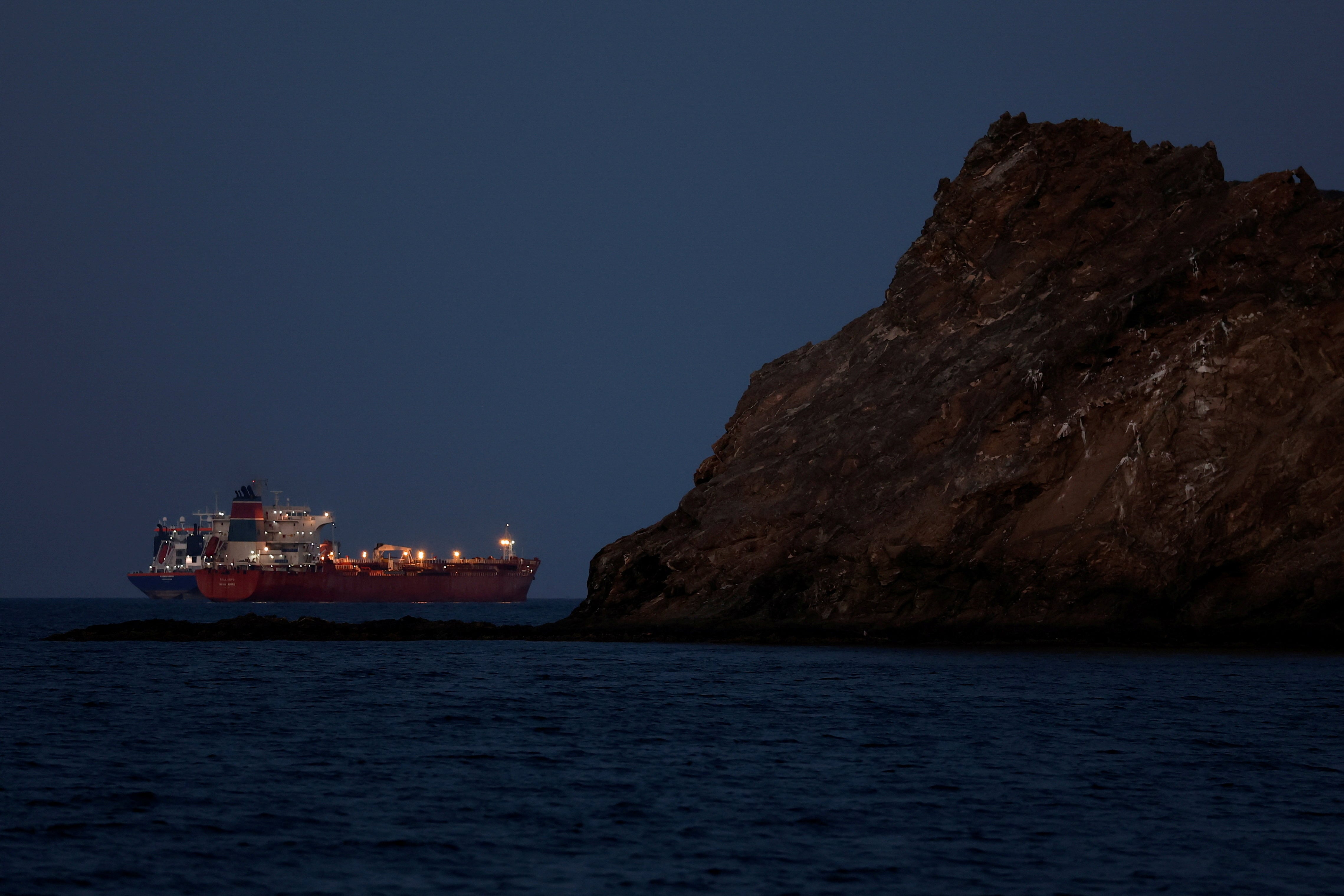
The United Kingdom Maritime Trade Operations (UKMTO) issued an urgent alert on Wednesday morning. They reported that three different cargo ships were struck by missiles or similar projectiles. Two of these attacks took place near the coast of the United Arab Emirates, while the third occurred near Oman. These ships were using the narrow passage of the Strait of Hormuz when they were targeted. At the same time, Israeli forces launched a strike on a residential building in the center of Beirut, Lebanon, marking a significant expansion of the fighting away from the borders.
Important Numbers and Facts
The current wave of military action began on February 28, 2026, when the U.S. and Israel started a series of strikes against Iranian interests. Since then, several neighboring countries, including Qatar, Iraq, Saudi Arabia, and Kuwait, have officially complained about the ongoing violence. In Iran, officials are working to stop rumors about their leadership. Yusef Pezeshkian, who serves as a government advisor, stated that the new Supreme Leader, Mojtaba Khamenei, is safe. This statement was made to disprove a report from The New York Times claiming the leader had been hurt during the initial attacks in late February.
Background and Context
To understand why this matters, one must look at the geography of the region. The Strait of Hormuz is a narrow stretch of water that connects the Persian Gulf with the rest of the world’s oceans. About one-fifth of the world’s total oil consumption passes through this point every day. If the strait becomes too dangerous for ships, the global economy could face a major crisis. The conflict has been building for months, but the direct involvement of U.S. and Israeli forces against Iranian targets has turned a regional dispute into a major international worry.
Furthermore, the political situation in Iran is in a state of change. With Mojtaba Khamenei recently taking over as the Supreme Leader, any news about his health or safety can cause great instability within the country. The conflicting reports between Western media and Iranian officials show how much tension exists regarding who is in control of the Islamic Republic during this war.
Public or Industry Reaction
The reaction from neighboring Arab nations has been one of deep concern. Countries like Saudi Arabia and the UAE, which rely heavily on safe shipping lanes, have denounced the attacks. They fear that the war will spill over into their territories and ruin years of economic growth. Meanwhile, in Europe, there is a clear disagreement on how to handle the crisis. Ursula von der Leyen, the President of the European Commission, recently faced heavy criticism for suggesting that the old world order based on international rules was over. After many European leaders complained, she changed her tone during a speech in France, promising that the European Union still strongly believes in international law.
What This Means Going Forward
In the coming days, the focus will be on whether the Strait of Hormuz remains open for business. If more ships are attacked, we may see military escorts for commercial vessels, which could lead to even more direct fighting. There is also the risk of a larger war involving more countries if the strikes in Lebanon and Iran continue. Diplomats are working behind the scenes to prevent a total collapse of regional peace, but the lack of trust between the involved parties makes a ceasefire difficult to reach. Investors will be watching oil markets closely, as any sign of a long-term blockage in the strait will likely lead to a spike in prices.
Final Take
The attacks on cargo ships in the Strait of Hormuz represent a shift from a localized military conflict to a global economic threat. As missiles hit commercial vessels and cities like Beirut, the chance for a peaceful solution seems to be fading. The safety of international trade now depends on whether world powers can stop the violence before it spreads further across the Middle East.
Frequently Asked Questions
Why is the Strait of Hormuz so important?
It is a narrow waterway that serves as the main exit for oil coming from the Middle East. Because so much of the world's energy passes through it, any attack there can cause global oil prices to go up.
Is the Iranian leader Mojtaba Khamenei injured?
While some Western news outlets reported he was hurt in late February, Iranian government officials have denied this. His son recently stated that the Supreme Leader is healthy and safe.
How is the European Union responding to the conflict?
The EU is currently divided. Some leaders are worried that international laws are no longer being followed, while others are pushing for a stronger commitment to peace and global rules to prevent the war from getting worse.