
Summary
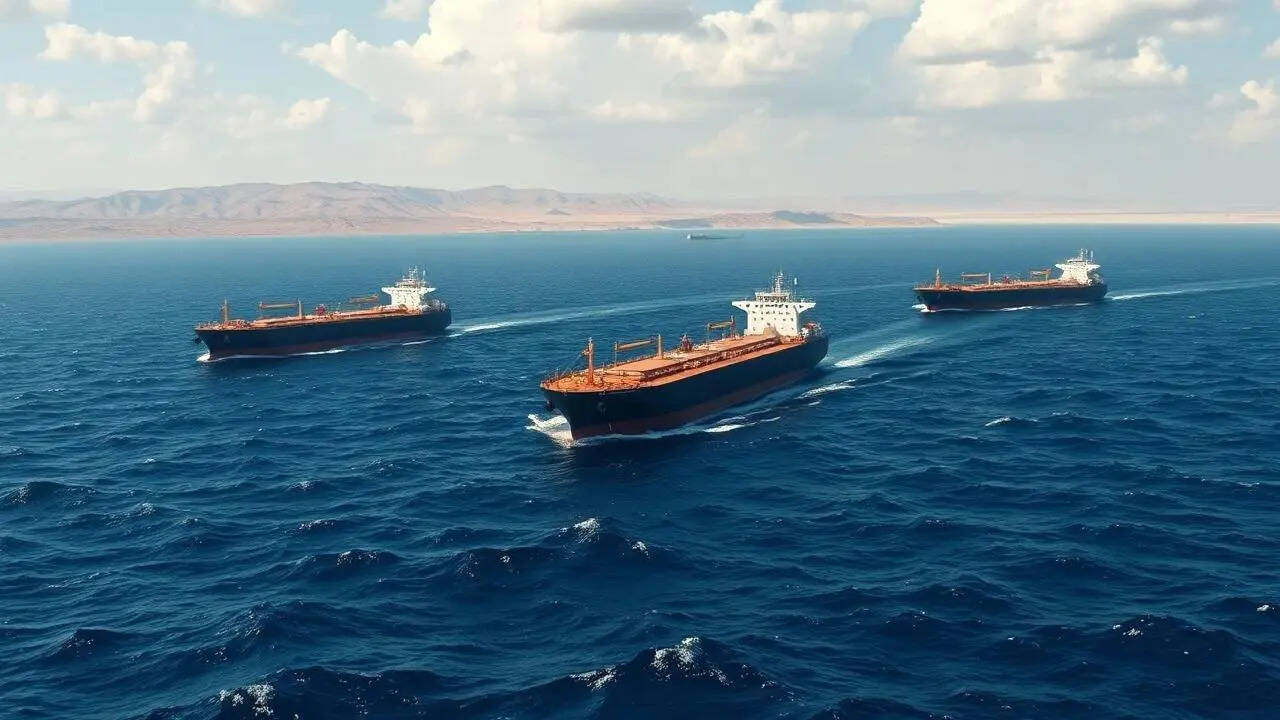
A commercial ship traveling through the Strait of Hormuz recently sent out a desperate distress call after coming under fire. The audio recording reveals a tense moment where the ship's crew expressed total confusion because they had already received permission to pass through the area. Despite having this official clearance, the ship was targeted by gunfire, leading the captain to plead for a chance to turn the vessel around and reach safety. This event marks a worrying increase in danger for international shipping in one of the most important water passages in the world.
Main Impact
The primary impact of this incident is the immediate breakdown of trust between shipping companies and the authorities who control the Strait. When a ship receives "clearance," it is supposed to mean the path is safe and the ship has followed all the rules. By firing on a ship that was told it could pass, the attackers have created a situation where no ship feels truly safe, regardless of official paperwork. This uncertainty can lead to higher costs for shipping, as companies may now need to pay more for insurance or spend more money on security teams to protect their crews and cargo.
Key Details
What Happened
The incident took place in the narrow waters of the Strait of Hormuz, a location known for high security and frequent military presence. According to the audio tape, the ship was moving along its planned route after talking to local maritime controllers. Suddenly, the situation changed when shots were fired toward the vessel. The captain can be heard on the radio saying, "You gave clearance... now you are firing... let me turn back." The tone of the recording is one of shock and urgency, as the crew tried to understand why they were being attacked after following all instructions.
Important Numbers and Facts
The Strait of Hormuz is a vital link for the global economy. About 20% to 30% of the world's total oil supply passes through this narrow point every single day. Because the passage is so thin—only about 21 miles wide at its narrowest point—ships have very little room to move if they are attacked. In recent years, there have been several reports of ships being stopped or harassed in these waters, but a direct firing incident after giving clearance is considered a major escalation in the region's ongoing troubles.
Background and Context
To understand why this matters, it helps to think of the Strait of Hormuz as a main doorway for the world's energy. Most of the oil from the Middle East must go through this doorway to reach countries in Europe, Asia, and North America. Because so much wealth moves through this small area, different countries often argue over who should control the water. Iran sits on one side of the Strait, while Oman and the United Arab Emirates are on the other. For decades, this area has been a spot where military forces watch each other closely, and any small mistake or aggressive act can quickly turn into a global problem.
Public or Industry Reaction
The shipping industry has reacted with deep concern to the news of the distress call. Maritime safety groups have pointed out that sailors are already under a lot of stress due to various conflicts around the world. Seeing a ship get fired upon after doing everything right is a nightmare scenario for shipping companies. Many industry experts are calling for international navies to provide more protection for commercial boats. There is also a growing demand for better communication systems so that "clearance" is recognized by all military units in the area, not just the ones on the radio.
What This Means Going Forward
Looking ahead, this incident could lead to several changes in how ships move through the Middle East. First, we might see a rise in the price of oil and gas if shipping companies decide the route is too risky. Second, more countries might send their own warships to the Strait to make sure their commercial ships are not bothered. There is also the risk that a similar event could lead to a larger fight if a ship is seriously damaged or if sailors are hurt. The next steps will likely involve diplomatic talks to find out exactly who opened fire and why the clearance was ignored.
Final Take
The safety of the world's oceans depends on clear rules and honest communication. When a ship's captain follows the law and still faces gunfire, the entire system of international trade is put at risk. This distress call is a loud warning that the current safety measures in the Strait of Hormuz are not working as they should. Without a clear agreement on how to protect peaceful ships, the waters that connect the world's economy will remain a place of fear rather than a path for trade.
Frequently Asked Questions
What is the Strait of Hormuz?
It is a narrow waterway between the Persian Gulf and the Gulf of Oman. It is the most important path in the world for shipping oil from the Middle East to other countries.
Why was the ship fired upon?
The exact reason is still being investigated. The ship had received permission to pass, but local forces opened fire anyway, causing the captain to ask to turn around for safety.
Will this affect the price of gas?
It is possible. When there is trouble in the Strait of Hormuz, the cost of shipping oil goes up because of higher insurance and security needs, which can eventually make gas more expensive for everyone.



