
Summary
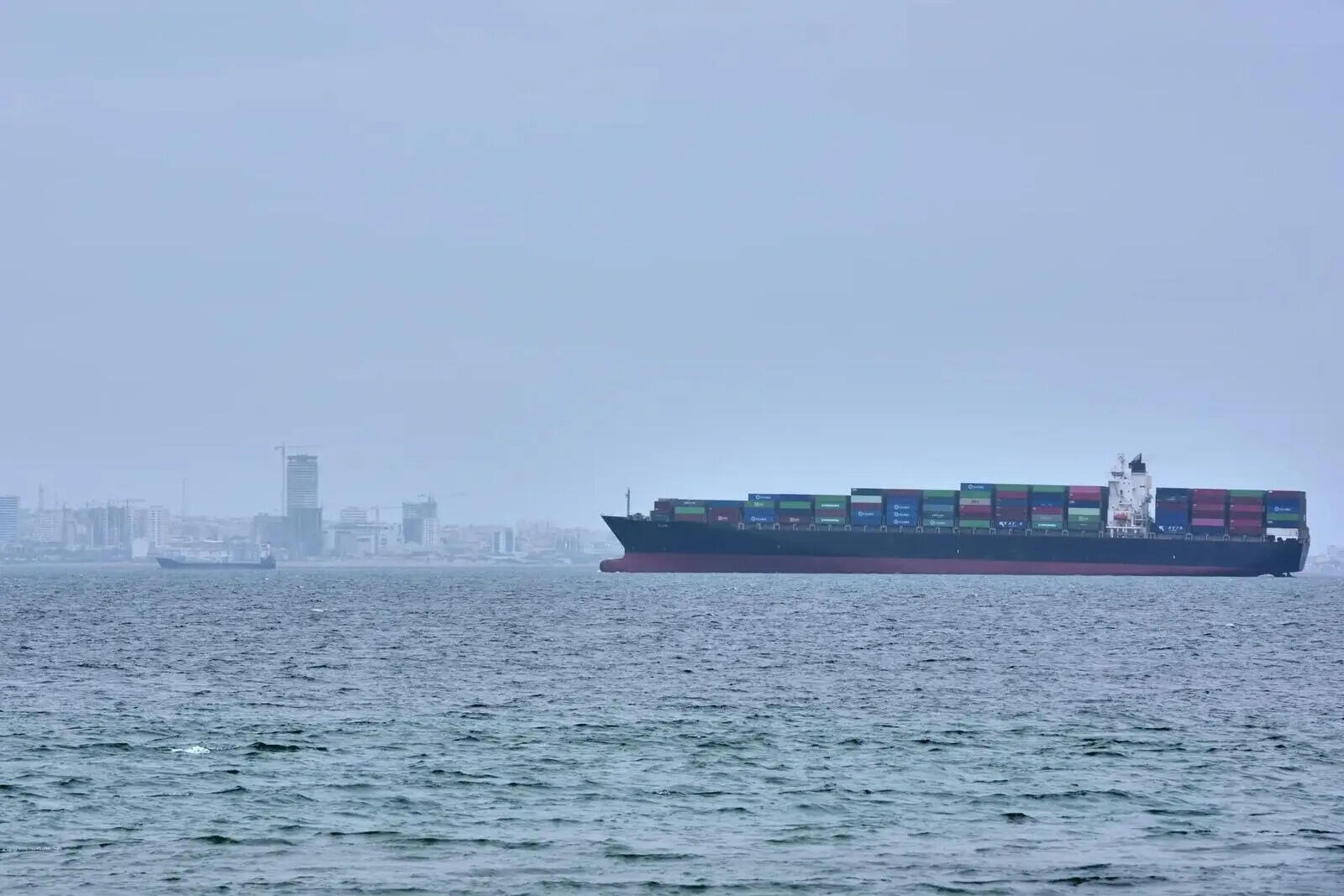
Two merchant ships flying the Indian flag recently faced a dangerous situation in the Strait of Hormuz. The vessels, named the Sanmar Herald and Jag Arnav, were targeted by Iranian gunboats while trying to pass through the narrow waterway. This event caused a large group of 14 ships to stop their journey and turn back due to safety concerns. The incident has led to a formal protest from the Indian government, which is calling for better protection and clearer rules for ships traveling in the region.
Main Impact
The primary impact of this event is the immediate threat to international shipping safety in one of the world's most important sea routes. When merchant ships are fired upon or harassed, it creates a sense of fear among sailors and shipping companies. This specific incident caused a total of 14 vessels to abort their transit, which delays the delivery of goods and increases costs for businesses. Furthermore, it puts a strain on the diplomatic relationship between India and Iran, as both nations must now work to prevent such dangerous misunderstandings from happening again.
Key Details
What Happened
The trouble began when the Sanmar Herald and the Jag Arnav were moving through the Strait of Hormuz. According to radio recordings that have now been made public, the situation was very tense. The captain of one of the Indian ships was heard making a frantic distress call. In the recording, the captain shouted, "You gave me clearance to go," suggesting that the ship had already received permission to pass before the Iranian gunboats began their aggressive actions. The confusion over these instructions led to a standoff that forced the entire convoy to stop moving forward.
Important Numbers and Facts
Several key facts highlight the scale of this incident. Two specific Indian-flagged ships were the main targets of the Iranian forces. A total of 14 ships were part of the convoy that had to change its plans. The Strait of Hormuz, where this took place, is a very narrow body of water that connects the Persian Gulf with the Gulf of Oman. It is a critical "choke point" for global trade. Because the area is so small, ships must follow very specific paths, making them easy targets if security breaks down.
Background and Context
To understand why this matters, it is important to know how vital the Strait of Hormuz is to the world. About 20% of the world's total oil supply passes through this narrow stretch of water every day. If the strait is blocked or becomes too dangerous to use, oil prices around the world could rise quickly. This would make everything from gasoline to electricity more expensive for people everywhere. India relies heavily on this route for its energy needs, which is why the safety of Indian-flagged vessels is a top priority for the government in New Delhi.
In the past, there have been many instances of tension in these waters. Different countries often have different ideas about who has the right to control the movement of ships. Merchant vessels, which carry cargo and are not armed, often find themselves caught in the middle of these political and military disagreements. The phrase "Indian-flagged" means the ships are registered in India and follow Indian laws, making the Indian government responsible for their protection on the high seas.
Public or Industry Reaction
The shipping industry has expressed deep concern over the lack of clear communication shown during this incident. Ship owners and maritime unions are worried that if captains cannot trust the "clearance" they receive from local authorities, the risk of accidents or violence will grow. The Indian government acted quickly by lodging a formal protest with Iranian authorities. They have demanded that Iran ensure the safe passage of all merchant shipping. Industry experts are calling for better radio protocols to make sure that every ship knows exactly where it is allowed to go and who is giving the orders.
What This Means Going Forward
In the coming weeks, we can expect to see more security measures in the region. The Indian Navy may increase its presence to escort merchant ships and provide a sense of safety. There will also likely be high-level meetings between Indian and Iranian officials to fix the communication problems that led to this event. If these issues are not resolved, shipping companies might start taking longer, more expensive routes to avoid the Strait of Hormuz entirely. This would lead to slower delivery times for products and higher prices for consumers.
Final Take
The safety of the men and women who work on merchant ships must be protected. When a captain is told they have clearance to move but then faces threats, it shows a dangerous failure in the system. For global trade to work smoothly, there must be trust and clear communication between those who control the waters and those who sail them. This incident serves as a sharp reminder that peace in the Strait of Hormuz is fragile and requires constant attention from the international community.
Frequently Asked Questions
What is an Indian-flagged vessel?
An Indian-flagged vessel is a ship that is officially registered in India. This means it must follow Indian maritime laws and is entitled to protection and support from the Indian government while traveling in international waters.
Why is the Strait of Hormuz so important?
It is one of the most important shipping lanes in the world because a large portion of the world's oil and natural gas is transported through it. Any disruption there can cause global energy prices to go up.
What happens after a formal protest is lodged?
A formal protest is a diplomatic way for one country to tell another that it is unhappy with its actions. It usually leads to discussions between the two governments to solve the problem and prevent it from happening again.



