
Summary
Two large oil tankers recently turned away from the Strait of Hormuz after peace talks between the United States and Iran failed to reach an agreement. The ships were attempting to enter the Persian Gulf but changed course as the security situation worsened. This sudden move highlights the ongoing tension in one of the world’s most important routes for energy transport. The breakdown in negotiations threatens a fragile ceasefire that many hoped would stabilize global oil markets.
Main Impact
the failure of the latest peace talks in Islamabad has immediate consequences for the global energy supply. When tankers turn back, it signals to the rest of the world that the Strait of Hormuz is not yet safe for regular travel. This waterway is a vital path for moving oil from the Middle East to the rest of the globe. Because the strait remains a site of conflict, shipping companies are forced to make difficult choices about whether to risk their vessels and crews.
The impact is felt most by countries that rely on oil imports for fuel and electricity. With fewer ships entering the Persian Gulf to pick up cargo, the amount of oil available on the market could drop. This often leads to higher prices at gas stations and increased costs for businesses. The U-turn of these tankers shows that despite weeks of trying to find a solution, the threat of military action still hangs over the region, keeping the energy market in a state of high alert.
Key Details
What Happened
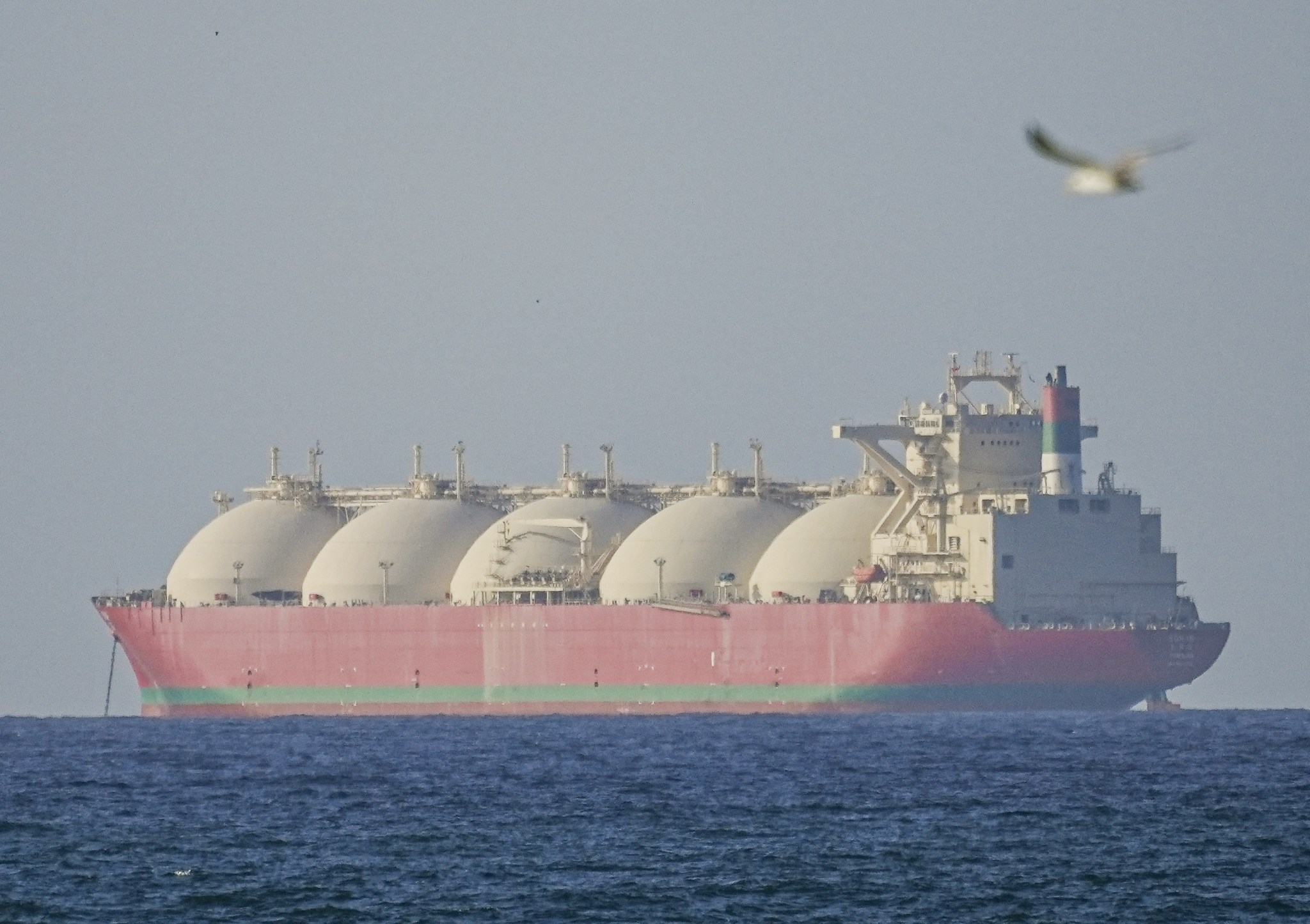
On Sunday, three large ships approached the Strait of Hormuz from the Gulf of Oman. Two of these ships, the Agios Fanourios I and the Shalamar, decided to turn back just as they reached a key checkpoint near Iran’s Larak island. These ships were empty and were heading into the Gulf to collect new loads of oil. However, as news spread that the US and Iran could not agree on peace terms, the captains chose to reverse course rather than enter the narrow waterway.
While two ships turned away, a third vessel named the Mombasa B continued its journey. It successfully passed through an Iran-approved route between Larak and Qeshm islands. Another smaller tanker, the Khairpur, showed signs of confusion by changing its direction twice before finally deciding to continue into the Gulf. These mixed movements show how uncertain the situation has become for sailors in the area.
Important Numbers and Facts
The conflict has been going on for about six weeks, starting when the US and Israel began military strikes on Iran. Since then, the Strait of Hormuz has been mostly closed to international traffic. This is a major problem because about one-fifth of the world’s total oil supply passes through this narrow point. In the last month, several other ships have also failed to make the trip, including two Chinese container ships and a large natural gas carrier from Qatar. While a few ships managed to leave the Gulf on Saturday with full loads of oil, the overall movement of vessels is still much lower than normal.
Background and Context
The Strait of Hormuz is a narrow stretch of water that connects the Persian Gulf to the open ocean. It is the only way for large oil tankers to reach the massive oil fields in countries like Iraq, Kuwait, and Saudi Arabia. Because the water is so narrow, it is easy for a military force to block it. Iran controls much of the coastline along the strait, giving it significant power over who can pass through.
The current trouble started six weeks ago when military strikes began. Since then, the US and Iran have been trying to negotiate a way to stop the fighting and reopen the waterway. The main disagreement is over how the strait should be managed and what security measures should be in place. Without a clear agreement, the area remains a combat zone, making insurance for ships very expensive and the physical risk to crews very high.
Public or Industry Reaction
Shipping companies have been very quiet about their specific plans, but their actions speak loudly. The companies that manage the Agios Fanourios I and the Shalamar did not give official statements immediately after the U-turns. However, industry experts say that the decision to turn back is a clear sign of fear. Owners of these multi-million dollar ships do not want to risk losing a vessel to a missile or a mine. The shipping industry is waiting for a clear signal that the ceasefire is solid before they resume normal operations.
What This Means Going Forward
The failure of the talks in Islamabad means that the risk of more fighting remains high. For the global economy, this could mean a long period of high energy prices. If empty tankers cannot get into the Gulf to be loaded, the world will eventually run low on the oil it needs for daily life. Negotiators will likely try to meet again, but the trust between the US and Iran is very low. In the coming days, we can expect to see more ships waiting outside the strait, watching for any sign that it is safe to enter.
Final Take
The U-turn of these oil tankers is a physical reminder that political failures have real-world effects. As long as the US and Iran cannot reach a deal, the world’s most important energy route will remain a dangerous place. The safety of global trade depends on these two nations finding a way to talk instead of fight, but for now, the path to peace remains blocked.
Frequently Asked Questions
Why is the Strait of Hormuz so important?
It is the main exit point for oil coming out of the Middle East. A large portion of the world's energy travels through this narrow waterway every day.
Why did the tankers turn around?
The tankers turned back because peace talks between the US and Iran failed. The captains likely felt it was too dangerous to enter the area without a guaranteed ceasefire.
How does this affect oil prices?
When ships cannot move oil through the strait, the global supply of fuel goes down. This usually causes the price of oil and gasoline to go up for everyone.



