
Summary
Iran’s leadership is sending mixed signals about the status of the Strait of Hormuz, a vital waterway for global oil. On Saturday, the Iranian military declared the strait closed, reversing a statement made just one day earlier by the country’s Foreign Minister. This confusion highlights a deep divide within the Iranian government following the death of Supreme Leader Ali Khamenei. As the U.S. military maintains a strict naval blockade, different groups within Iran are fighting for control over the country’s next moves.
Main Impact
The conflicting reports from Iran have caused immediate waves in the global economy. On Friday, when the waterway was briefly reported as open, stock markets around the world saw a major rally. Investors hoped that the reopening would signal an end to the current conflict and a return to stable oil prices. However, the military’s decision to keep the strait closed quickly ended that hope. This back-and-forth shows that the Iranian government is no longer speaking with one voice, making it much harder for international leaders to negotiate a peace deal.
Key Details
What Happened
The confusion began early Friday when Foreign Minister Abbas Araghchi announced that the Strait of Hormuz was fully open to ships following standard routes. President Donald Trump also shared this news, suggesting a breakthrough had been reached. However, the Islamic Revolutionary Guard Corps (IRGC), which is Iran’s powerful military branch, soon stepped in to correct the record. They insisted they were still in control of the waterway and that it remained shut. News agencies linked to the military even criticized the Foreign Minister, calling his announcement a mistake and a sign of poor communication.
Important Numbers and Facts
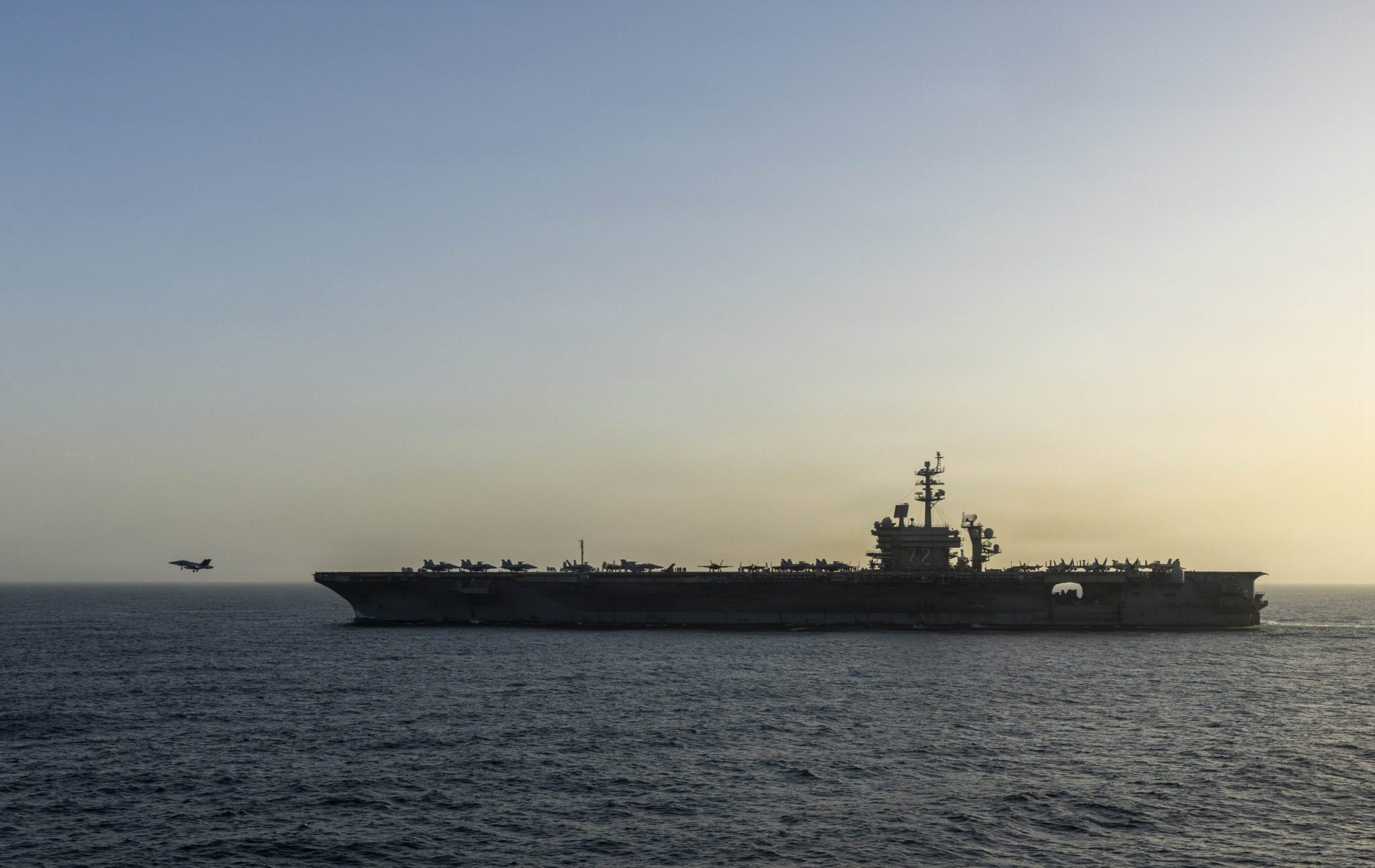
The current conflict between the U.S., Israel, and Iran began in late February 2026. Since then, several top Iranian leaders, including the Supreme Leader, have been killed in military strikes. The U.S. Navy has been working to enforce a blockade, stopping any ships from carrying Iranian oil to other countries. Reports show that at least five oil tankers heading toward Malaysia had to change their course because of the U.S. Navy's actions. Additionally, U.S. forces have been busy removing underwater mines from the Gulf to keep the area safe for their own ships.
Background and Context
The Strait of Hormuz is one of the most important places in the world for the energy industry. A large portion of the world's oil passes through this narrow stretch of water. For Iran, controlling the strait is their biggest way to pressure other countries. In the past, Supreme Leader Ali Khamenei acted as a referee between the different groups in the Iranian government. He made sure that the politicians and the military worked together. Now that he is gone, there is no one to settle arguments between the diplomats who want peace and the military leaders who want to keep fighting. This has created a power vacuum where the military is becoming the strongest voice in the country.
Public or Industry Reaction
Experts who study Iran say this internal fighting was expected. Saeid Golkar, an expert at the University of Tennessee, noted that without a main leader to make final decisions, different factions are now openly battling for power. The Institute for the Study of War also pointed out that these internal fights are likely what ruined peace talks held in Pakistan last weekend. While some analysts believe this is just a case of bad communication, others see it as a sign that the military is taking over the government’s role in making foreign policy. Meanwhile, the U.S. military has stated it can keep the blockade going for as long as necessary to reach its goals.
What This Means Going Forward
The situation remains very dangerous for ships in the region. On Saturday, several boats in the Persian Gulf reported being attacked by small, fast boats and projectiles. These are tactics often used by the IRGC. As the U.S. continues to block Iran’s oil sales, the Iranian economy will face even more pressure. This could lead the military to take even more aggressive actions to show they still have power. At the same time, some parts of the Iranian government are still looking at peace proposals from the U.S., but it is unclear if the military will agree to any deal that limits their control over the strait.
Final Take
The mixed messages coming out of Iran show a government in crisis. While diplomats may want to find a way to end the war and the blockade, the military seems determined to maintain a hard-line stance. As long as the IRGC holds more power than the country’s politicians, the Strait of Hormuz will remain a flashpoint for global conflict. The world must now watch to see if a new leader can emerge to unite these groups or if the internal fighting will lead to further violence in the region.
Frequently Asked Questions
Why is the Strait of Hormuz so important?
It is a narrow waterway that connects the Persian Gulf with the rest of the world. Much of the world's oil supply is shipped through this area, so any closure can cause global oil prices to rise and hurt the economy.
Who is the IRGC?
The Islamic Revolutionary Guard Corps (IRGC) is a major branch of Iran’s military. They are separate from the regular army and have a lot of influence over the country's politics and economy. They usually take a more aggressive stance against the West.
Why is there a blockade on Iran?
The U.S. and its allies have placed a naval blockade on Iran to stop it from selling oil. This is part of a larger military and economic effort to pressure the Iranian government during the current war.



