The hum starts low — like a refrigerator that never turns off. Then come the backup-generator tests, the construction traffic, and finally a line on your electricity bill that makes you look twice. Data centers are being proposed in residential areas at a rapid pace, and many communities are discovering that saying no takes far more than a petition.
The good news: residents are not powerless. The process is technical, slow, and full of official steps — and those steps are exactly where public opposition can change the outcome.
Why data centers are becoming neighbourhood flashpoints
The concerns are consistent across communities, even when the details vary. Noise from cooling systems and backup generators tops the list. So do utility costs — data centers are enormous power consumers, and the grid upgrades they require can show up on household bills.
Then there is pollution in a broader sense: diesel generator emissions, water consumption for cooling, and the visual presence of massive industrial buildings in residential or semi-rural zones. None of these are hypothetical. They are the reasons local fights are happening.
The first battlefield: local zoning and land-use approval
Before any data center can break ground, it typically needs land-use approvals from a local planning board, zoning commission, or elected council. This is the moment the public has the strongest formal standing.
Whether the project needs a conditional use permit, a zoning variance, or a full rezoning determines how much leverage residents have. In most jurisdictions, public hearings are mandatory. That means registered opposition, written comments, and documented concerns become part of the official record — and officials must respond to them.
Following the paperwork: environmental reviews and public comment
Larger data centers often trigger environmental review. This may include studies on noise impact, water usage, stormwater runoff, traffic, and generator emissions. Once the review document is published, there is usually a formal public comment window.
This is not a rubber-stamp moment. Substantive comments — backed by data, expert letters, or comparisons to similar facilities — can force revisions or additional studies. Miss the deadline, and that window closes permanently.
What evidence matters most in a data center fight
Emotional appeals carry some weight, but documented evidence carries more. Neighbours who log decibel readings during generator tests, photographs of water runoff, traffic counts on narrow roads, and written accounts of disrupted sleep all build a practical record.
Technical allies matter too. An acoustical engineer, a hydrologist, or even a retired utility professional reviewing the application on residents' behalf can translate jargon into concrete objections that boards understand.
Making a public hearing count
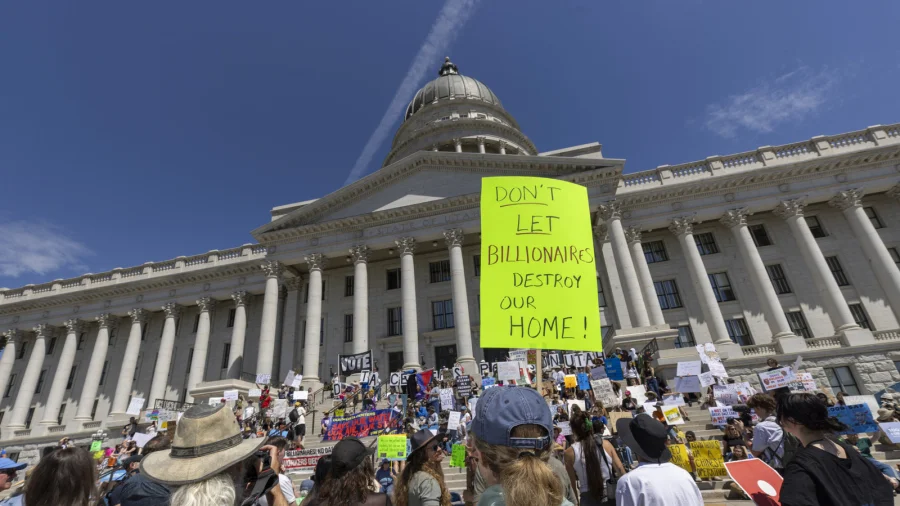
Arrive early. Register to speak. Submit written comments even if you speak in person. Bring exhibits — maps, photos, noise logs — and address the board members by name. Officials notice which side shows up consistently, not just once.
Equally important: coordinate. A crowd of people repeating the same talking points is less effective than a few speakers each covering a different angle — noise, rates, water, traffic, property values. Local organisations that divide topics and nominate spokespeople tend to make the strongest impression.
The utility cost fight happens in a different room
If the concern is electricity bills, the local city council may not be the right target. Power grid costs and rate structures are typically decided by state public utility commissions, who review the investments utilities make in new infrastructure.
This is a separate docket with separate hearings. Residents can intervene in rate cases, file comments, or ask commissioners to examine who ultimately pays for the grid upgrades a data center requires. It is slower, but it targets the actual decision-maker.
Where data center opposition campaigns succeed — and where they stall
Successful campaigns share a pattern: organized neighbours, early involvement, technical evidence, and sustained pressure on elected officials who need votes. Communities that begin fighting after a permit is already approved face far longer odds.
Campaigns stall when they rely only on social media, when legal challenges are started without resources to see them through, or when they misunderstand which agency holds the actual authority. Knowing the difference between the planning board and the utility commission is half the battle.
Confirmed facts vs what changes by jurisdiction
What is universally true: data centers need land-use approval, environmental review in many cases, and grid interconnection. What is not universal is the timeline, the hearing format, or the legal standard for approval. Some jurisdictions have pre-approved data center zones where public input is sharply limited before construction.
There is no single national playbook. The verified lesson across local fights is that process matters, deadlines are real, and the record built early becomes the foundation for everything that follows.
Risks and balanced view: what opponents should expect
Developers fighting back is normal. Expect hired consultants who testify about economic benefits, job creation, and tax revenue — sometimes with projections that are generous. Expect pro-growth officials who see data centers as progress and reluctant to slow them down.
Opposition also carries costs: hours of meetings, the risk of legal action, and the possibility of losing despite genuine effort. Communities should assess whether they are in this for the long term before they begin, because a half-finished campaign can be worse than no campaign at all.
The wider pattern: data centers as the new neighbourhood utility fight
There is a broader shift underneath these local battles. Data centers are no longer invisible industrial campuses hidden in distant business parks. They are being proposed closer to populated areas because that is where power, fiber, and land intersect.
This makes the trend a national conversation about who should carry the cost of the digital economy — and how communities can negotiate rather than simply accept. Every local fight becomes a reference point for the next one.
A practical checklist if you are just starting
If a data center is proposed near you, begin with these steps: find the property on the zoning map, track down the application, read the public meeting schedule, and identify the decision-makers.
Form a neighbourhood group with a shared email list. Assign research, outreach, and hearing-spokesperson roles. Submit every comment in writing, not just in speech. And keep your own records — photos, dates, documents — because the official paperwork can be corrected or challenged.
What happens next: realistic timelines and exit points
Data center approvals rarely happen in weeks. Land-use review, environmental studies, utility coordination, and appeals can stretch across a year or more. That timeline is an advantage if used properly — it is time to build evidence and pressure, not time to wait.
If approval is granted despite local opposition, some communities pursue legal challenges, though these are costly and have strict deadlines. Others shift focus to conditions: tougher noise limits, better landscaping, agreements on generator use, or financial contributions to the local power grid. Fighting a data center is not always about stopping it — sometimes it is about shaping it, and who pays for what it costs.
Our Take
The data center debate is really a debate about fairness. Residents are not being unreasonable when they ask who will sleep next to a backup generator or pay for the power lines. Yet simply opposing industrial progress without engaging the technical process rarely succeeds.
The strongest position is an informed one: understand the zoning code, show up at the right hearing, speak to the right regulator, and treat the process as seriously as the developer does. It is unglamorous work, but it is how neighbourhoods win real concessions — or stop projects altogether.
Frequently Asked Questions
Can residents legally stop a data center?
Yes, but only through the legal and administrative channels that apply in their jurisdiction. The most effective route is opposing the project at zoning hearings or environmental reviews before approval is granted. After approval, stopping it requires costly legal challenges with strict deadlines and a difficult legal standard.
What are the main concerns residents raise about data centers?
The most common concerns are noise from cooling systems and backup generators, higher electricity costs from grid upgrades, water usage, diesel emissions, traffic, and property value impacts. These concerns are the basis of most organised opposition at public hearings.
Do data centers really raise electricity bills?
Data centers are among the largest electricity consumers of any single facility type. If their power demand requires new transformers, substations, or transmission lines, those costs can be spread across the utility customer base through rate cases approved by state regulators. Whether and how much bills rise depends on the utility and the regulatory process.
Where can I find out if a data center is planned near me?
Check your local zoning or planning department website for active applications, look at public meeting agendas, or file an open records request. Neighbourhood notice requirements vary by jurisdiction, so it is common for residents to discover proposals only through meeting notices or property signs.