
Summary
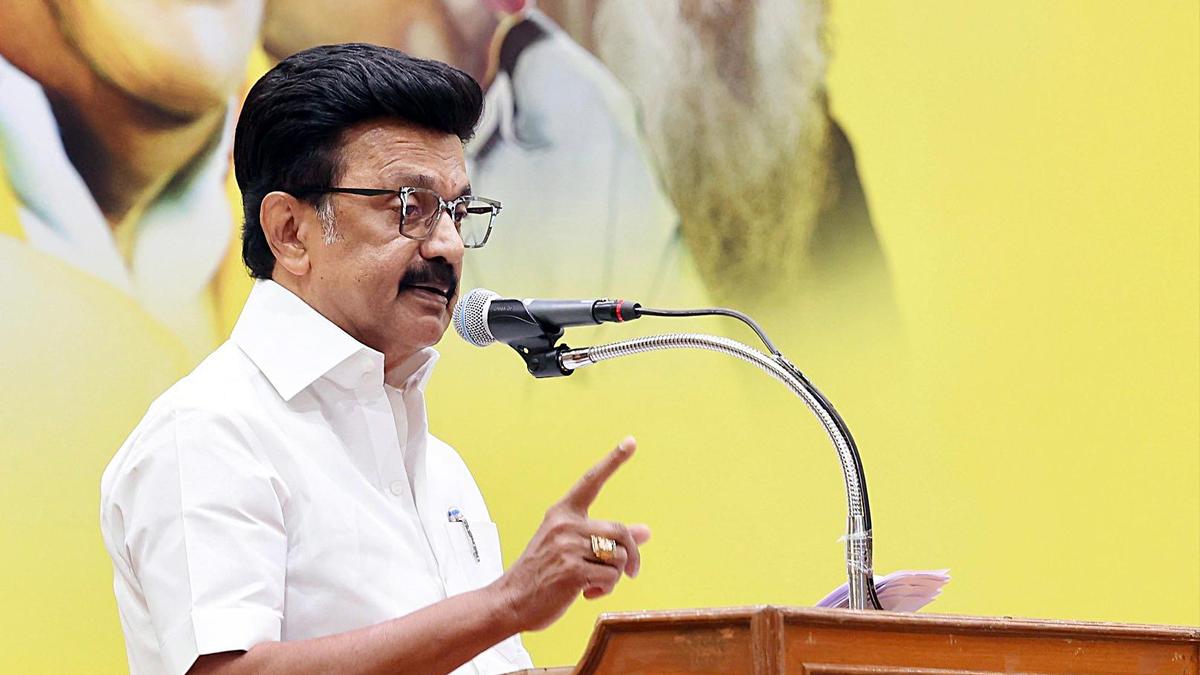
Tamil Nadu Chief Minister M.K. Stalin has raised serious concerns about the independence of the main opposition party, the AIADMK. He claimed that the party is no longer making its own choices and is instead following orders from leaders in New Delhi. This statement comes at a time of high political tension as parties prepare for upcoming elections. Stalin’s comments suggest that the opposition has lost its local roots by relying too much on the central government.
Main Impact
The primary impact of this allegation is a shift in the political narrative in Tamil Nadu. By accusing the AIADMK of being controlled by Delhi, Stalin is trying to appeal to the strong sense of state pride among local voters. In Tamil Nadu, people often prefer leaders who prioritize the state's needs over national party interests. If voters begin to believe that the AIADMK is merely a tool for the central government, it could significantly weaken the opposition's standing in the next election.
This situation also puts pressure on the AIADMK to prove it is still a sovereign local power. The party now faces the challenge of balancing its need for a strong national ally with the need to appear independent to its own supporters. This clash of identities will likely become a central theme in the months leading up to the polls.
Key Details
What Happened
The tension started when Edappadi K. Palaniswami, the general secretary of the AIADMK, traveled to New Delhi for high-level meetings. During this trip, he met with Union Home Minister Amit Shah. The main goal of these talks was to finalize seat-sharing agreements. Seat-sharing is the process where two or more parties in an alliance decide which party will contest in specific areas. This ensures they do not compete against each other and can combine their votes to win.
Chief Minister Stalin used this visit as evidence for his claims. He argued that a party representing the people of Tamil Nadu should not have to travel to the national capital to get approval for its local strategies. He suggested that the AIADMK has surrendered its power to the BJP, which runs the central government.
Important Numbers and Facts
While the exact number of seats discussed has not been made public, these negotiations are vital for both parties. The AIADMK is looking to regain the power it lost in previous elections, while the BJP is trying to grow its influence in southern India. The meeting between Palaniswami and Amit Shah lasted for a significant amount of time, showing how important these decisions are for their future partnership. Stalin’s critique focuses on the fact that these major decisions are happening thousands of miles away from the people they affect.
Background and Context
To understand why this matters, one must look at the history of politics in Tamil Nadu. For decades, the state has been led by parties that focus on "Dravidian" identity. This movement emphasizes the unique culture and rights of the state. Both the DMK and the AIADMK grew out of this movement. Because of this, any sign that a local party is taking orders from a national party in Delhi is often seen as a betrayal of the state's values.
In recent years, the AIADMK has worked closely with the BJP. While this gives them more influence at the national level, it also makes them vulnerable to attacks from the DMK. Stalin is using this long-standing political sentiment to paint his rivals as "puppets" of the center. He wants to position himself as the only leader who truly stands up for Tamil Nadu’s rights against outside interference.
Public or Industry Reaction
The reaction to Stalin's comments has been split along party lines. Supporters of the DMK have praised the Chief Minister for highlighting what they see as a loss of state pride. They argue that the AIADMK has become too weak to stand on its own. On the other side, AIADMK leaders have dismissed the claims. They say that meeting with central ministers is a normal part of politics and is necessary to ensure the state gets the help it needs from the federal government.
Political experts note that this is a classic strategy. By focusing on the "Delhi vs. Tamil Nadu" angle, Stalin is moving the conversation away from local problems like prices or jobs and turning it into a fight over identity. This strategy has worked well in the past for many parties in the region.
What This Means Going Forward
Moving forward, we can expect the AIADMK to try and show more independence in their public statements. They will likely emphasize their own local platform to counter Stalin's narrative. However, as long as they remain in an alliance with a powerful national party, these accusations will likely continue. The success of either side will depend on which story the voters believe more.
The next few weeks will be critical as seat-sharing deals are finalized. If the AIADMK gives up too many seats to its national partner, it may prove Stalin’s point in the eyes of some voters. If they stand firm, they might be able to show they are still in control of their own destiny. The outcome of these negotiations will set the stage for the entire election campaign.
Final Take
The battle for Tamil Nadu is becoming a fight over who holds the remote control. Chief Minister Stalin has made a bold move by questioning the AIADMK's loyalty to the state. This is not just a simple disagreement between two leaders; it is a debate about how much influence the central government should have over state politics. As the election nears, the question of who truly makes the decisions will be on the minds of many voters.
Frequently Asked Questions
Why did the AIADMK leader go to Delhi?
Edappadi K. Palaniswami went to New Delhi to meet with Union Home Minister Amit Shah to discuss how their parties will share seats in the upcoming elections.
What is seat-sharing in politics?
Seat-sharing is an agreement between allied political parties to decide which party will run a candidate in a specific area so they do not fight each other for the same votes.
Why is the "Delhi" comment important in Tamil Nadu?
In Tamil Nadu, many voters value local independence. Claiming a party is controlled by Delhi is a way to suggest they are not putting the state's interests first.



