
Summary
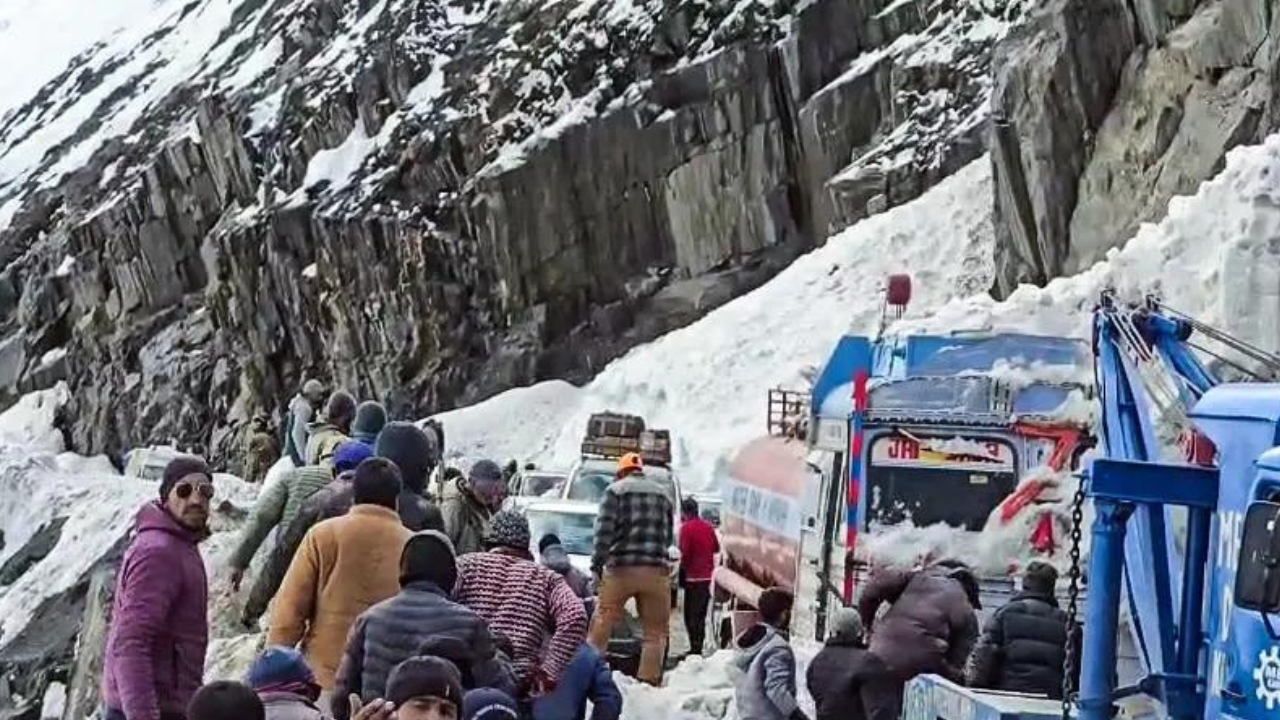
A series of powerful avalanches struck the Srinagar–Leh national highway on Friday, leading to a tragic loss of life. At least seven people have been confirmed dead, while five others suffered injuries after being caught in the sliding snow. The disaster occurred on a high-altitude stretch of the road, trapping several vehicles and their passengers under deep layers of snow. Emergency teams are currently on the scene working to find survivors and clear the vital mountain pass.
Main Impact
The immediate impact of these avalanches is the loss of human life and the total closure of a critical transport route. The Srinagar–Leh highway, also known as NH-1, is the primary link between the Kashmir Valley and the Ladakh region. When this road is blocked, it cuts off the movement of essential goods, fuel, and people. The incident has caused panic among travelers and has forced authorities to stop all traffic movement for safety reasons. The weight and speed of the snow slides were so great that vehicles were pushed off the road or buried completely, making the rescue mission extremely difficult.
Key Details
What Happened
The disaster took place on Friday afternoon when multiple snow slides hit the highway in quick succession. The most affected area is the stretch between Zero Point and Minimarg. This part of the road is famous for its steep slopes and heavy snow accumulation. Witnesses reported that the snow came down without warning, catching drivers and passengers by surprise. Several cars and trucks were in the path of the falling snow and were quickly covered. Local police and rescue teams were called to the site immediately to begin digging through the debris.
Important Numbers and Facts
Official reports confirm that seven individuals lost their lives in the incident. Five people were rescued with various injuries and have been taken to nearby medical facilities for treatment. The exact number of vehicles trapped is still being verified, but early reports suggest that multiple private cars and commercial trucks are under the snow. The rescue operation involves dozens of workers, heavy machinery, and local volunteers who are battling freezing temperatures and the risk of further snow slides.
Background and Context
The Srinagar–Leh highway is one of the most dangerous roads in the world during the winter and spring months. It passes through the Zojila Pass, which sits at an altitude of nearly 11,500 feet. This area receives some of the heaviest snowfall in India. Avalanches are a common threat here because the steep mountainsides cannot always hold the weight of new snow. When the temperature changes or more snow falls, the layers can slide down with massive force.
This road is usually closed for several months during the peak of winter. It had only recently been opened or was being prepared for full seasonal traffic. The sudden weather changes in the high Himalayas often create these deadly conditions. For the people of Ladakh, this highway is a lifeline, as it is the only way to bring in food and medicine by land. Any closure or accident on this route has a major effect on the daily lives of thousands of people living in the mountains.
Public or Industry Reaction
Government officials and local leaders have expressed deep sadness over the loss of life. Senior administrators are personally monitoring the rescue efforts to ensure that all possible help is provided to the victims and their families. The Border Roads Organization (BRO), which is responsible for maintaining the highway, has deployed its best equipment to clear the path. Many people in the region are calling for better early warning systems and more safety shelters along the dangerous parts of the highway. There is also a renewed focus on the construction of the Zojila Tunnel, which is being built to provide a safer, all-weather route that would avoid the most avalanche-prone areas.
What This Means Going Forward
In the short term, the Srinagar–Leh highway will remain closed until safety experts can confirm that the slopes are stable. This will likely delay the transport of goods and cause a backlog of vehicles at both ends of the pass. Travelers are being advised to check weather reports and official road status updates before starting their journeys. In the long term, this tragedy highlights the urgent need to finish the tunnel projects in the region. Until those tunnels are ready, driving through the Zojila Pass will remain a high-risk activity. Authorities may also implement stricter rules on when vehicles are allowed to pass through during high-risk weather windows.
Final Take
This tragic event serves as a harsh reminder of the power of nature in high-mountain regions. While the Srinagar–Leh highway is a vital path for connection and trade, it remains a place where safety can never be guaranteed. The focus now remains on the rescue teams working in the cold to help those affected and the ongoing efforts to make mountain travel safer for everyone in the future.
Frequently Asked Questions
Where exactly did the avalanches occur?
The avalanches hit the Srinagar–Leh national highway (NH-1) on the stretch between Zero Point and Minimarg, near the Zojila Pass.
How many people were affected by the disaster?
As of the latest reports, seven people have died and five others were injured. Several vehicles were also trapped under the snow.
Is the Srinagar–Leh highway open for traffic now?
No, the highway has been closed to all traffic following the avalanches. It will stay closed until rescue operations are finished and the road is cleared of snow and deemed safe.



