Summary
The government of Andhra Pradesh has announced a significant investment of ₹30 crore to improve water systems in the Srikakulam district. This project, part of the Jaladhara program, focuses on cleaning and repairing old canals and water tanks. By fixing these water sources, the state aims to provide better irrigation for approximately 30,000 acres of farmland. This move is expected to help local farmers grow more crops and secure their livelihoods.
Main Impact
The primary impact of this project is the restoration of the local farming economy. For a long time, farmers in Srikakulam have struggled with water shortages caused by blocked canals and weak tank walls. With a ₹30 crore budget, the government is addressing these physical barriers to farming. The most direct result will be the reliable supply of water to 30,000 acres of land. This ensures that even during dry periods, crops will have the water they need to survive. This stability helps prevent crop failure and increases the overall food production in the region.
Key Details
What Happened
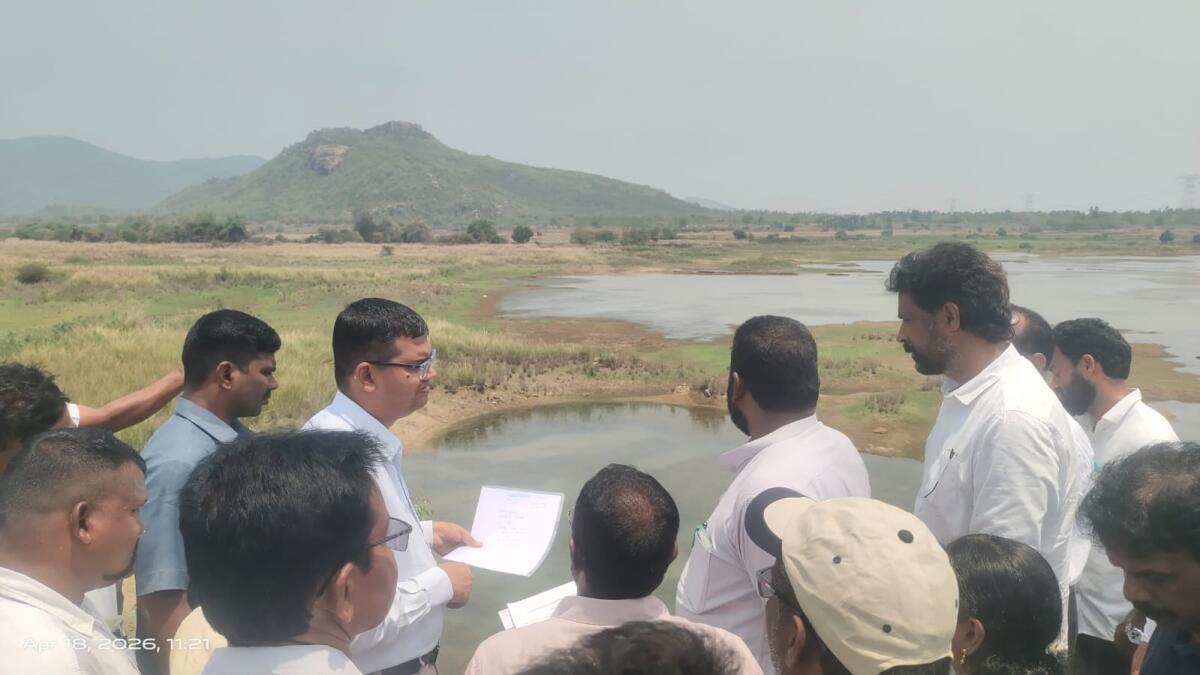
The state government officially approved the funds for the revival of water bodies under the Jaladhara initiative. The work involves several technical steps to make sure water flows properly. Workers will focus on removing silt, which is the mud and sand that settles at the bottom of canals and tanks over time. When silt builds up, the water bodies cannot hold as much water. By removing it, the capacity of these tanks will increase significantly. Additionally, the project includes strengthening the bunds, which are the dirt walls or banks that hold the water in place. If these walls are weak, water leaks out and goes to waste.
Important Numbers and Facts
The total budget set aside for this specific work in Srikakulam is ₹30 crore. The project is designed to benefit a vast area, covering 30,000 acres of agricultural land. Another key part of the plan is the "tank-to-tank" flow system. This system ensures that when one tank is full, the extra water moves smoothly to the next tank instead of flooding the surrounding area or being lost. This creates a network of connected water sources that serves a much larger group of farmers than a single isolated tank could.
Background and Context
Srikakulam is a district where many families depend on agriculture for their daily needs. However, the infrastructure for water management has aged over the years. Many of the canals were built decades ago and have not been cleaned properly. When it rains, the water often runs off because the tanks are filled with mud or the walls are broken. The Jaladhara program was created to fix these exact problems across the state. By focusing on Srikakulam, the government is targeting an area that has a high potential for farming but lacks the modern tools to manage water effectively. Simple maintenance like removing mud and fixing walls can make a massive difference in how much water is available for plants.
Public or Industry Reaction
Local farming communities have expressed relief at the news of the funding. Many farmers have spent years asking for better canal maintenance. They believe that if the water flows correctly, they can grow more than one crop per year. Agricultural experts also point out that this project is a cost-effective way to help the economy. Instead of building massive new dams, which take a long time and cost a lot of money, fixing existing tanks and canals provides immediate benefits to the people who need it most. Local leaders have promised to monitor the work to ensure the money is spent correctly and the repairs are done well.
What This Means Going Forward
In the coming months, residents will see heavy machinery moving into the district to begin the cleaning process. The goal is to finish much of the work before the next major rainy season. If the project is successful, it will serve as a model for other districts in Andhra Pradesh. The long-term hope is that Srikakulam will become more resistant to drought. When the tanks are deep and the walls are strong, they can store water for many months. This means farmers will not have to worry as much about when the rain starts or stops. It also reduces the risk of local flooding, as the repaired canals will be able to direct heavy rainwater safely into the storage tanks.
Final Take
Investing in basic water infrastructure is one of the most effective ways to support rural communities. By spending ₹30 crore on the Jaladhara project, the government is giving Srikakulam farmers the tools they need to succeed. This project is not just about mud and walls; it is about ensuring that 30,000 acres of land can stay green and productive for years to come. Proper water management is the foundation of a healthy local economy.
Frequently Asked Questions
What is the Jaladhara project?
Jaladhara is a government program in Andhra Pradesh focused on improving water resources. It involves cleaning canals, fixing water tanks, and ensuring that water is distributed fairly and efficiently to farmers.
How will the ₹30 crore be used?
The money will be used to remove mud (silt) from the bottom of water bodies, repair and strengthen the walls (bunds) of tanks, and create a system where water can flow from one tank to another without being wasted.
Who will benefit from this work in Srikakulam?
The primary beneficiaries are the local farmers. The project is expected to provide reliable irrigation for about 30,000 acres of land, which will help thousands of families who rely on agriculture for their income.