
Summary
Sri Lanka has officially stated its readiness to welcome back and support its citizens currently living as refugees in India. Cabinet Minister Bimal Rathnayake announced that the government is prepared to help these individuals return to their home country with proper assistance. Along with this invitation, the Minister called on the Indian central government and the state government of Tamil Nadu to stop using the refugee issue as a tool for political gain. This move marks a significant step in Sri Lanka's efforts to address the long-standing displacement of its people following years of internal conflict.
Main Impact
The primary impact of this announcement is the potential for thousands of Sri Lankan Tamils to return to their ancestral lands. For decades, many have lived in a state of uncertainty in Indian camps. By offering a formal welcome, the Sri Lankan government is signaling a shift toward national reconciliation. This could lead to a structured program for resettlement, providing families with the chance to regain their citizenship rights and rebuild their lives. However, the Minister’s comments regarding "political propaganda" may create new diplomatic discussions between Colombo, New Delhi, and Chennai.
Key Details
What Happened
Minister Bimal Rathnayake spoke clearly about the government's position on the refugee crisis. He emphasized that those living in India are Sri Lankan citizens and have a right to return. The Minister expressed that the government is not just opening the doors but is also committed to providing the necessary support systems to ensure these people can live safely and comfortably once they arrive. A major part of his message was a direct request to Indian politicians. He urged them to stop using the plight of these refugees to win votes or influence public opinion, suggesting that the focus should remain on the well-being of the people involved.
Important Numbers and Facts
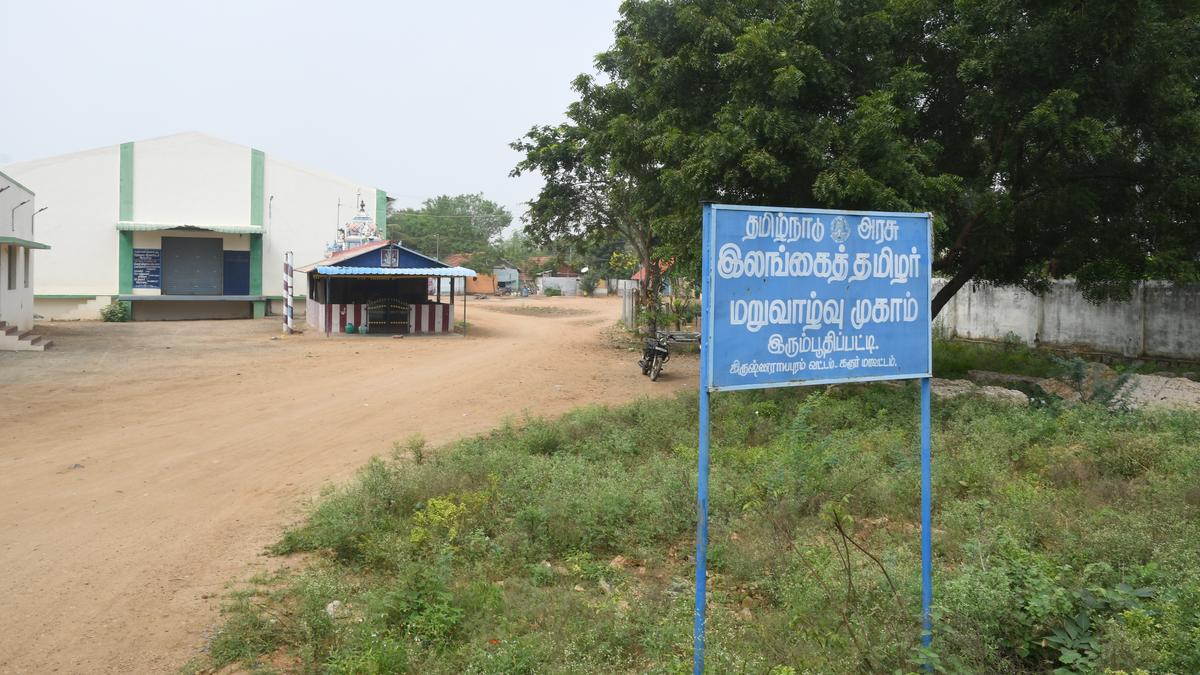
While exact numbers change, it is estimated that nearly 100,000 Sri Lankan Tamils live in India. About 60,000 of them reside in over 100 government-run camps across Tamil Nadu, while others live outside the camps. Most of these individuals fled Sri Lanka during the civil war that lasted from 1983 to 2009. Even though the war ended over fifteen years ago, many stayed in India due to a lack of housing, jobs, or safety concerns in their home villages. The current Sri Lankan administration now aims to bridge this gap by offering a clear path home.
Background and Context
The refugee situation began during the decades-long conflict between the Sri Lankan government and the Liberation Tigers of Tamil Eelam (LTTE). During the height of the fighting, thousands of people crossed the sea to reach the shores of India to escape the violence. The state of Tamil Nadu became a primary refuge because of the shared language and cultural ties. Over the years, the status of these refugees has been a sensitive topic. In India, political parties often discuss the rights and future of Sri Lankan Tamils during election cycles. In Sri Lanka, the process of bringing people back has been slow due to economic struggles and the need to clear landmines or rebuild infrastructure in northern and eastern provinces.
Public or Industry Reaction
The reaction to the Minister's statement has been mixed. Human rights groups and international organizations generally support the idea of voluntary return, provided it is safe and dignified. Many refugees have expressed a desire to return but are worried about whether they will have homes or jobs waiting for them. In India, some political leaders in Tamil Nadu have historically called for better treatment of refugees and even Indian citizenship for them. The Minister's request to stop using the issue for "propaganda" is likely to spark debate among these political groups, who see themselves as protectors of the Tamil community.
What This Means Going Forward
Moving forward, the success of this initiative depends on the details of the support plan. Sri Lanka will need to work closely with international agencies to manage the logistics of moving large numbers of people. There are also legal hurdles to clear, such as providing birth certificates and identity cards for children born in India. If the government can provide land and basic services, we may see a steady flow of people returning. This could also lead to a more stable relationship between India and Sri Lanka, as both nations work toward a permanent solution for the displaced population.
Final Take
Inviting refugees back is a bold and necessary move for a country looking to heal from its past. By asking for an end to the political use of this issue, Sri Lanka is demanding that the focus stay on human lives rather than political points. The real test will be whether the promises of support turn into real action on the ground for those who choose to come home.
Frequently Asked Questions
Why are there Sri Lankan refugees in India?
Most refugees fled to India to escape the civil war in Sri Lanka, which lasted from 1983 to 2009. They sought safety in the neighboring state of Tamil Nadu.
What did the Sri Lankan Minister ask of India?
Minister Bimal Rathnayake asked the Indian and Tamil Nadu governments to stop using the refugee situation as a political tool and instead support their return to Sri Lanka.
What kind of support will the returning refugees receive?
The government has promised to welcome them back and provide the necessary help to resettle, though specific details on housing and financial aid are still being developed.



