
Summary
The Sri Lankan Navy has detained two Indian fishermen from Rameswaram for allegedly crossing the maritime border. The incident occurred near the island of Katchatheevu, a region that has long been a point of tension between the two countries. Following their arrest, the fishermen were moved to the Talaimannar naval base for questioning. This event highlights the ongoing struggle over fishing rights and territorial boundaries in the Palk Strait.
Main Impact
This latest arrest has immediate consequences for the local fishing community in Tamil Nadu. For the families of the two men, the detention brings financial worry and emotional distress. Beyond the individuals involved, such incidents often lead to protests by local fishing unions, who demand better protection from the Indian government. On a larger scale, it puts pressure on diplomatic relations between India and Sri Lanka, requiring officials from both nations to negotiate the release of the men and their equipment.
Key Details
What Happened
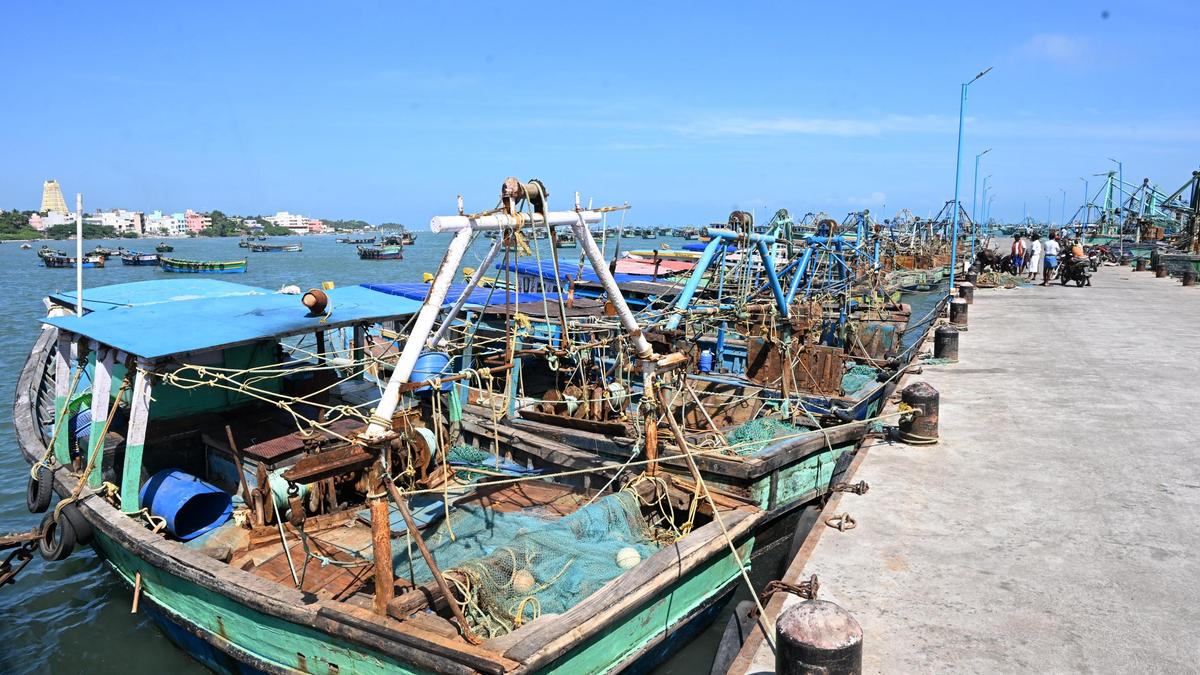
On March 12, 2026, a group of fishermen set out from the Rameswaram coast in Tamil Nadu. While they were fishing in the waters near Katchatheevu, a patrol vessel from the Sri Lankan Navy approached them. The naval officers claimed that the Indian boat had entered Sri Lankan territorial waters. The two fishermen were taken into custody, and their fishing boat was seized. They were then transported to the naval port in Talaimannar, where authorities began a formal interrogation process to determine the specifics of their activities.
Important Numbers and Facts
The incident involved two fishermen and one motorized boat. Katchatheevu, the location of the arrest, is a small, uninhabited island located about 14 nautical miles from the Indian coast. Over the last few years, hundreds of Indian fishermen have been detained in this area. In many cases, the Sri Lankan government also confiscates expensive fishing gear and boats, which can cost several lakhs of rupees, making it nearly impossible for poor families to recover their livelihoods even after the fishermen are released.
Background and Context
The conflict over fishing rights in the Palk Strait is decades old. In the mid-1970s, India and Sri Lanka signed agreements that recognized Katchatheevu as part of Sri Lanka’s territory. However, many Indian fishermen believe they have a traditional right to fish in these waters, as their families have done so for generations. The boundary line is not physically marked in the ocean, making it easy for small boats to cross over without realizing it.
Sri Lanka argues that it must protect its marine life from "bottom trawling," a fishing method often used by larger Indian boats that can damage the seabed. Meanwhile, Indian fishermen argue that the fish stocks on their side of the border have run low, forcing them to move further out into the sea to make a living. This creates a constant cycle of arrests and diplomatic talks.
Public or Industry Reaction
Fishing associations in Rameswaram have expressed deep concern over the continued arrests. Leaders of these groups often call for "black flag" protests or strikes, where they refuse to go out to sea until their colleagues are freed. They are asking the Indian central government to find a permanent solution to the boundary issue. Many local leaders suggest that the government should lease Katchatheevu back from Sri Lanka or establish a shared fishing zone to prevent future arrests.
What This Means Going Forward
The two fishermen will likely be produced before a Sri Lankan magistrate. Depending on the legal proceedings, they could face a period of detention in a local jail before being repatriated to India. The Indian High Commission in Sri Lanka usually steps in to provide legal aid and ensure the well-being of the detained citizens. In the long term, this incident serves as a reminder that the maritime boundary remains a sensitive issue. Both countries need to work on a sustainable "Blue Economy" plan that allows fishermen to work safely without breaking international laws.
Final Take
The arrest of these two fishermen is more than just a legal matter; it is a human rights and economic issue. While nations must protect their borders, the survival of traditional fishing communities depends on finding a middle ground. Until a clear agreement is reached regarding the Palk Strait, these small-scale workers will continue to face risks every time they cast their nets.
Frequently Asked Questions
Why are Indian fishermen arrested near Katchatheevu?
They are often arrested for crossing the International Maritime Boundary Line (IMBL) into Sri Lankan waters. Sri Lanka claims this is necessary to protect its marine resources and prevent illegal fishing methods.
What happens to the fishermen after they are arrested?
They are usually taken to a nearby naval base for questioning and then handed over to local police or fisheries officials. They typically appear in court and may be held in custody until diplomatic talks lead to their release.
Where is Talaimannar located?
Talaimannar is a town and naval port located on the western coast of Mannar Island in Sri Lanka. It is one of the closest points in Sri Lanka to the Indian coast.



