Summary
Sri Lanka Cricket has introduced a strict fitness rule for all players planning to participate in the 2026 Indian Premier League (IPL). Every player must pass a formal fitness test before they are granted a No Objection Certificate (NOC), which is the legal permission needed to play in foreign leagues. While some top stars have already cleared these tests, several key players are still waiting to prove their physical readiness. This move is designed to ensure that national players remain healthy and available for international duties throughout the year.
Main Impact
The primary impact of this decision is the pressure it puts on both the players and their IPL franchises. If a player fails the fitness test, they will not be allowed to travel to India for the tournament. This could leave IPL teams searching for last-minute replacements for some of the world’s best T20 specialists. For the players, it means they must balance their training carefully to avoid small injuries that could cost them a lucrative season in the world's biggest cricket league.
Key Details
What Happened
The Sri Lankan cricket board informed all players selected for the IPL that their participation depends entirely on their physical condition. The board wants to avoid a situation where players go to the IPL, get injured, and then miss important matches for the Sri Lankan national team. To prevent this, a mandatory fitness screening has been set up. Only those who meet the specific physical standards set by the team trainers will receive the paperwork necessary to join their IPL squads.
Important Numbers and Facts
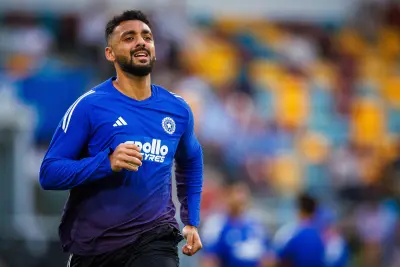
So far, the results of the fitness tests have been mixed. Three major players have already successfully completed their evaluations. Dushmantha Chameera, Pathum Nissanka, and Kamindu Mendis have all passed and are cleared to play. Chameera, a fast bowler who has struggled with injuries in the past, passing the test is a significant relief for his team. Nissanka and Mendis, who are vital for the batting lineup, are also ready to go.
However, three other high-profile players are still on the waiting list. Wanindu Hasaranga, one of the top-rated all-rounders in T20 cricket, has not yet taken his test. Matheesha Pathirana, known for his unique bowling style, and another player referred to as Malinga (likely a younger player with a similar bowling action) are also yet to undergo their physical exams. These players are essential parts of their respective IPL teams, and their fans are waiting for news on their status.
Background and Context
In the world of professional cricket, the No Objection Certificate (NOC) is a vital document. Since players are under contract with their national boards, they cannot play in private leagues like the IPL without permission. In recent years, many countries have become more careful about giving out these certificates. Sri Lanka, in particular, has dealt with several injury crises where key players were sidelined during important international tournaments after playing long seasons in overseas leagues.
By making fitness tests mandatory, the board is trying to manage the workload of its athletes. Modern cricket is very demanding, with matches happening almost every week. Fast bowlers and all-rounders are at a higher risk of muscle tears and joint injuries. The board's goal is to make sure that if a player goes to the IPL, they are strong enough to handle the heat and the intense schedule without breaking down.
Public or Industry Reaction
The reaction from the cricket community has been mostly supportive of the board's health-first approach. Fans of the Sri Lankan national team are happy to see the board taking steps to protect their best players for the upcoming international season. They believe that a fit squad gives the country a better chance in global trophies.
On the other hand, IPL franchises are watching the situation closely. Teams like the Chennai Super Kings, who rely heavily on Sri Lankan talent, need to know as soon as possible if their players will be available. If a star player like Pathirana or Hasaranga were to fail a test, it would force these teams to change their entire strategy just weeks before the tournament begins. There is a sense of nervous waiting among team owners and coaches until the final results are announced.
What This Means Going Forward
This policy sets a clear standard for the future of Sri Lankan cricket. It sends a message to all players that their physical condition is their most important asset. In the coming weeks, the remaining players will have to complete their tests under the watchful eyes of the board's medical staff. If they pass, they will join their IPL teams with a clean bill of health. If they fail, they will likely stay home to undergo rehabilitation and training.
This move might also encourage other cricket boards to implement similar rules. As T20 leagues grow in number, the tension between club and country will continue to rise. Strict fitness requirements are one way to ensure that the quality of international cricket does not suffer because of the busy domestic league calendar.
Final Take
Ensuring that players are physically ready before they head to a high-pressure tournament like the IPL is a responsible move by Sri Lanka Cricket. While it creates some uncertainty for the players and their IPL teams, it protects the long-term career of the athletes and the strength of the national team. The focus now stays on the remaining stars to see if they can meet the required standards and join their teammates on the field in India.
Frequently Asked Questions
What is an NOC in cricket?
An NOC, or No Objection Certificate, is a document issued by a player's national cricket board. It gives the player official permission to play in a league outside of their home country, such as the IPL.
Which Sri Lankan players have already passed their fitness tests?
Dushmantha Chameera, Pathum Nissanka, and Kamindu Mendis have successfully passed their fitness tests and are cleared to receive their NOCs for the 2026 IPL season.
What happens if a player fails the fitness test?
If a player fails the test, the cricket board will not issue the NOC. This means the player will be unable to participate in the IPL and will instead focus on recovery and training at home.