
Summary
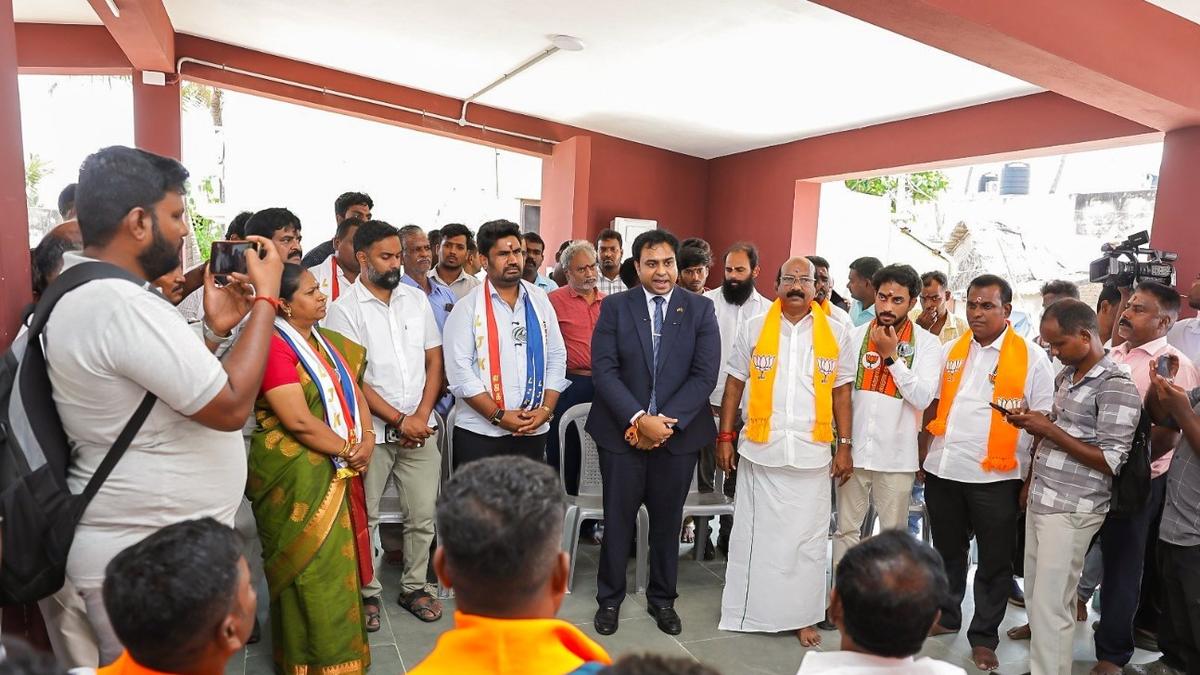
The Sri Lankan Deputy High Commissioner, Ganesanathan Geathiswaran, recently visited Puducherry to meet with local fishermen. This meeting gained public attention after photos of the interaction were shared on social media by a local political leader. Following the online posts, the diplomat clarified that his visit was strictly for official purposes and not related to any political activity. His goal was to listen to the concerns of the fishing community and understand their daily challenges.
Main Impact
This visit is significant because it shows a direct effort by Sri Lankan officials to engage with Indian fishing communities. For a long time, there have been tensions regarding fishing rights in the waters between India and Sri Lanka. By meeting the fishermen in person, the Deputy High Commissioner aimed to build a bridge of communication. However, the involvement of a local political leader in sharing the photos created a misunderstanding that the diplomat was engaging in local politics, which he quickly denied to maintain diplomatic neutrality.
Key Details
What Happened
Ganesanathan Geathiswaran, who serves as the Sri Lankan Deputy High Commissioner, traveled to Puducherry to talk with people who make their living from the sea. During this visit, he was seen interacting with various members of the fishing community. The situation became a topic of public discussion when Jose Charles Martin, the president of the Latchiya Jananayaga Katchi (LJK) party, posted pictures of the meeting on his social media accounts. The images showed the diplomat and the politician together with the fishermen, leading some to wonder if there was a political motive behind the visit.
Important Numbers and Facts
The meeting took place in Puducherry, a region where many families depend entirely on fishing. While specific numbers of attendees were not released, the photos showed a group of local leaders and workers. The Deputy High Commissioner emphasized that his role is to represent his country and handle official business, not to participate in the internal political affairs of India. He made it clear that his presence was part of his duty to understand the regional issues that affect both Sri Lanka and India.
Background and Context
The relationship between Indian fishermen and the Sri Lankan government has been complicated for many years. Fishermen from Tamil Nadu and Puducherry often cross into waters near Sri Lanka, leading to arrests and the seizure of their boats by the Sri Lankan Navy. These incidents often cause diplomatic tension between New Delhi and Colombo. Understanding the perspective of the fishermen is a key part of finding a long-term solution to these maritime disputes.
In the past, many discussions about fishing rights happened only at high government levels. Recently, there has been a push for more direct talks and visits to see the reality of the situation on the ground. Puducherry is a vital area for these discussions because its fishing fleet is large and active in the Palk Strait. When a high-ranking diplomat visits such an area, it is usually seen as a sign of goodwill or an attempt to gather information that can help in future negotiations.
Public or Industry Reaction
The reaction to the visit was mixed. Some members of the fishing community welcomed the chance to speak with a representative from Sri Lanka. They hope that such meetings will lead to fewer arrests and better safety for them while they are at sea. On the other hand, the social media posts by Jose Charles Martin caused some concern among political observers. In India, foreign diplomats are expected to stay away from local party politics to avoid any appearance of interference.
By clarifying his stance, the Deputy High Commissioner tried to calm these concerns. He wanted to ensure that the focus remained on the welfare of the fishermen rather than on political rivalries. Local fishing unions have expressed that they want more transparency in these meetings so that their actual problems, such as the loss of equipment and the need for clear sea boundaries, are addressed properly.
What This Means Going Forward
Moving forward, this event highlights the need for clear rules on how diplomats interact with local groups. While direct engagement is helpful, it must be done in a way that does not look like political support for any specific party. For the fishermen of Puducherry, the hope is that this visit will lead to more formal talks between the two countries. If the Sri Lankan government has a better understanding of the struggles faced by Indian fishermen, they might be more willing to find a compromise on fishing zones.
There is also a lesson here about the power of social media. A simple photo can quickly change the narrative of a diplomatic visit. In the future, officials may be more careful about who they are seen with to ensure their message of cooperation is not lost in political noise. The ongoing dialogue between India and Sri Lanka regarding the sea will continue to be a sensitive but necessary part of their relationship.
Final Take
The visit by the Sri Lankan Deputy High Commissioner to Puducherry was an attempt to connect with a community that is central to the relationship between the two nations. While the social media posts by a local politician caused a brief controversy, the diplomat’s quick clarification helped refocus the conversation on the actual issues. Solving the problems of the fishing community requires honest talk and a clear understanding of the facts, free from the influence of local politics.
Frequently Asked Questions
Why did the Sri Lankan Deputy High Commissioner visit Puducherry?
He visited to meet with local fishermen and understand the challenges they face regarding fishing rights and maritime boundaries between India and Sri Lanka.
Why was there a controversy about this visit?
A local political leader shared photos of the meeting on social media, which made some people think the diplomat was getting involved in local Indian politics. The diplomat later clarified that his visit was not political.
What are the main issues for fishermen in this region?
The main issues include being arrested by the Sri Lankan Navy for crossing maritime borders, the seizure of their fishing boats, and disputes over who has the right to fish in certain parts of the sea.



