
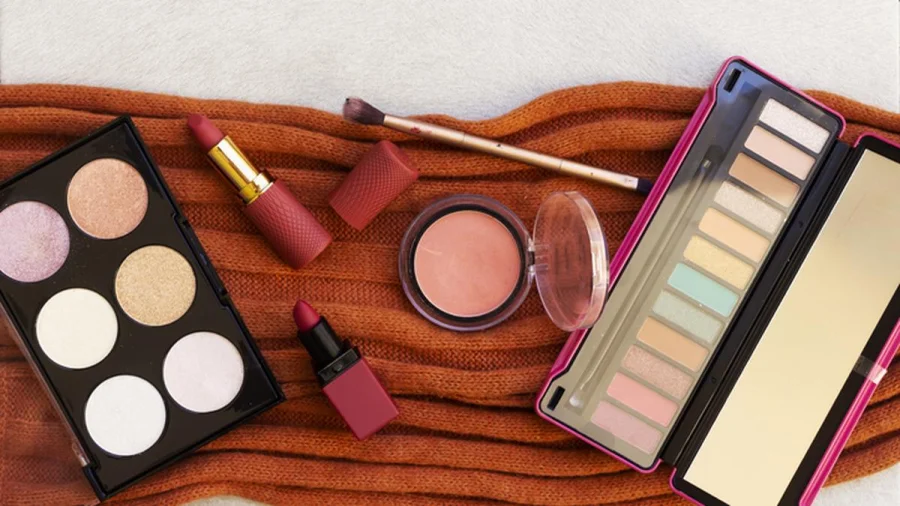
At a time when skincare and grooming products have become part of everyday life for millions of Keralites, the state's markets are still being quietly fed by fake cosmetics. Recent raids by department officials have seized suspected spurious items — face creams, lipsticks and shave lotions — exposing a trade that continues to thrive beneath the surface.
Raids net face creams, lipsticks and shave lotions
According to department sources, the suspected spurious items seized as part of the operation include face creams, lipsticks and shave lotions. The product mix suggests counterfeit goods are not limited to premium beauty brands but extend to everyday grooming essentials used across ordinary households.
Why spurious cosmetics keep finding buyers
The continued seizures point to a persistent demand-supply gap. Genuine branded cosmetics carry premium price tags, and counterfeit sellers exploit this by offering lookalike products at lower prices. For many buyers, the low price overrides suspicion — and the health risk that comes with it.
What the raids reveal about the Kerala market
That enforcement teams are again finding spurious stock indicates the problem is chronic, not occasional. The very phrase "continue to thrive" attached to this operation suggests earlier actions have not fully uprooted the trade. Each raid disrupts one node of the network, but the market appears to rebuild quickly.
Who is most at risk
Consumers who buy cosmetics from unverified local shops, roadside stalls and online marketplaces are the most exposed. Counterfeit creams and lotions are often made with undeclared chemicals, which can cause skin irritation, allergic reactions and, in severe cases, long-term skin damage. Young buyers experimenting with beauty products are particularly vulnerable.
Official response so far
Department sources confirmed the seizure of the suspected spurious items but have not revealed the number of raids, the quantity of goods seized, the brands impersonated or whether arrests have been made. The limited detail is typical at this stage of an ongoing operation, officials indicated.
Why the trade survives despite repeated raids
Spurious cosmetics thrive partly because the supply chain is fragmented and difficult to trace. Products move through multiple intermediaries — importers, distributors, wholesale markets and small retailers — making it easy for fake goods to slip in alongside genuine stock. Raids can remove one batch, but the network behind it often remains intact.
Confirmed facts vs what remains unclear
Confirmed: Department sources said the suspected spurious items seized during the operation include face creams, lipsticks and shave lotions.
Unclear: The scale of the seizure, the specific districts or outlets raided, the brands targeted and the legal action taken so far have not been disclosed. Whether the operation began with a consumer complaint or routine surveillance is also unknown. This article labels all such details as unreported, not assumed.
Health and legal risks of counterfeit cosmetics
Spurious cosmetics carry known health risks. Products with undeclared or banned ingredients can harm the skin, and contaminated items may cause infections. On the legal side, manufacturing and selling counterfeit goods attract penalties, yet the trade persists because profits are high and detection remains difficult.
The bigger picture: India's counterfeit goods problem
Kerala is not alone in this fight. Counterfeit consumer goods, especially cosmetics and personal care products, have been a recurring enforcement challenge across Indian markets. The latest raids fit a wider pattern in which action is frequent, but demand for cheaper alternatives keeps the grey market alive.
What consumers should do now
For buyers, the immediate lesson is to stay cautious. Purchase cosmetics only from authorised retailers or brand outlets, check packaging for batch numbers and manufacturing and expiry dates, and be wary of prices that seem too good to be true. Consumers who suspect a product is fake can report it to the department that conducted the raids.
What happens next
With the seized goods now in department custody, the next steps typically include examining the products to confirm whether they are spurious, tracing the supply chain and possible action against manufacturers or distributors. Officials are expected to release more details as the investigation progresses — though that remains a projection, not a confirmed plan.
Our Take
The latest raid is a reminder that enforcement alone cannot eliminate spurious cosmetics. Without stronger consumer awareness and quicker regulatory action against repeat offenders, fake face creams and lipsticks will keep finding their way into Kerala's shops. The authorities must follow the paper trail behind these seizures — because every fake product seized represents a network still at work.
Frequently Asked Questions
What were the spurious items seized in the Kerala raids?
Department sources said the suspected spurious items seized during the operation include face creams, lipsticks and shave lotions.
What are the risks of using spurious cosmetics?
Counterfeit cosmetics are often made with undeclared or banned chemicals, which can cause skin irritation, allergic reactions, infections and long-term skin damage.
How can consumers identify spurious cosmetics in Kerala?
Buy only from authorised retailers, check batch numbers and expiry dates, examine packaging quality and be cautious of unusually low prices. Suspected fake products can be reported to the department that conducted the raids.
Why do spurious cosmetics continue to thrive despite raids?
The trade survives because counterfeit goods mimic popular brands at lower prices, the supply chain is fragmented and difficult to trace, and demand for cheaper products keeps the grey market active.



