
Summary
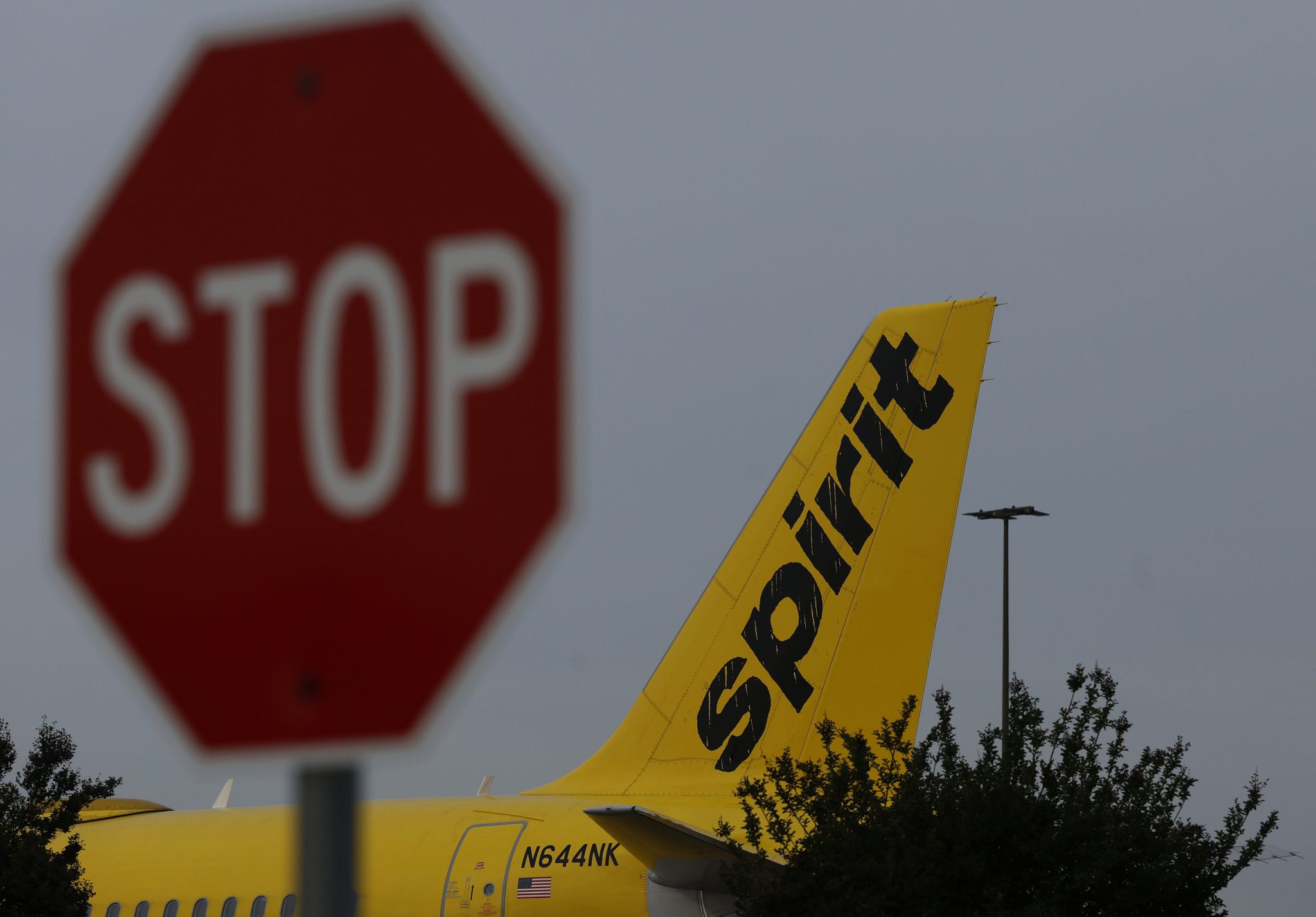
The United States government is moving toward a major deal to save Spirit Airlines from collapsing. The Trump administration is looking at a rescue plan worth up to $500 million to keep the struggling airline flying. In exchange for this money, the government would receive a large ownership stake in the company. This move means that American taxpayers could soon own a majority of one of the country’s best-known budget airlines.
Main Impact
This deal marks a significant shift in how the government handles private businesses. By taking a majority stake, the government is not just lending money; it is becoming a primary owner. This approach follows a pattern of "transactional" leadership where the White House acts like a business partner. While the goal is to keep the airline industry competitive and ticket prices low, it puts taxpayer money at risk in a company that has already struggled through multiple bankruptcies.
Key Details
What Happened
Spirit Airlines has been facing severe financial trouble for a long time. To prevent the airline from shutting down completely, the Trump administration is preparing a $500 million rescue package. This plan involves the government receiving "warrants." In simple terms, these are agreements that allow the government to own shares in the company. If the deal goes through, the public would own a huge portion of an airline that currently holds about 3% of the total U.S. market.
Important Numbers and Facts
- The rescue package is valued at approximately $500 million.
- Spirit Airlines currently holds a 3% share of the U.S. aviation market.
- When Spirit stopped flying certain routes recently, competitors like Delta Air Lines reportedly raised some fares by as much as 50%.
- The airline has already filed for Chapter 11 bankruptcy twice in recent years.
- This deal follows other government investments, such as a 10% stake in the tech company Intel.
Background and Context
Airlines are often seen as "essential" to the country. They help people travel for work, support local economies, and keep shipping moving. In the past, the government has stepped in to save airlines after major crises like the September 11 attacks and the COVID-19 pandemic. The logic is that if a major airline fails, there is less competition, which leads to much higher ticket prices for everyone.
Spirit Airlines specifically fills a "budget" niche. It offers low-cost seats that force bigger airlines to keep their prices down. Many experts believe that if Spirit disappears, travel will become too expensive for many average Americans. Spirit’s current troubles grew worse after a planned merger with JetBlue was blocked by the government in 2024, leaving the airline without a clear path to stay profitable on its own.
Public or Industry Reaction
The reaction to this potential bailout is mixed. Some industry experts, like Brian Kelly from The Points Guy, argue that Spirit is necessary to keep travel affordable. He points out that without Spirit, big airlines have no reason to offer low fares. On the other hand, policy analysts are worried about the government owning private companies. Tad DeHaven from the Cato Institute described the move as being about "money, power, and leverage." He warned that the government should not be in the business of buying shares in failing companies, calling the situation a "Pandora’s Box" that could lead to more government control over private industry.
What This Means Going Forward
The biggest question is whether Spirit Airlines can actually become a healthy business. Even with $500 million, the airline faces high fuel costs and tough competition. If the company fails again, taxpayers could lose their entire investment. However, if the airline recovers, the government could eventually sell its shares for a profit, similar to what happened with the auto industry bailouts years ago. For now, travelers can expect Spirit to keep flying, but the way the airline is run may change as the government takes a seat at the table.
Final Take
The decision to save Spirit Airlines shows that the current administration views the government as a deal-maker. While the move aims to protect consumers from high travel costs, it also places the public in the middle of a very risky business. Whether this "transactional" style of governing helps the economy or creates more problems depends on if Spirit can finally figure out how to turn a profit in a very difficult industry.
Frequently Asked Questions
Why is the government buying Spirit Airlines?
The government wants to prevent the airline from going out of business. If Spirit fails, there will be less competition, which usually causes ticket prices to go up for all travelers.
How much money is the government spending?
The proposed rescue package is worth about $500 million. In return, the government gets an equity stake, meaning it will own a large part of the company.
Has Spirit Airlines been in trouble before?
Yes, Spirit has filed for bankruptcy twice. It has struggled with high costs and was unable to complete a merger with JetBlue that might have saved the company earlier.



