
Summary
South Mumbai is undergoing a major change to its road network with the construction of two key bridges. These projects are designed to fix long-standing traffic problems in some of the city's busiest areas. By replacing old, narrow structures with modern engineering, the city aims to reduce travel time for thousands of daily commuters. This move is part of a larger plan to modernize Mumbai’s aging infrastructure and make the streets safer for everyone.
Main Impact
The primary impact of these new bridges will be a significant drop in traffic jams. For decades, South Mumbai has struggled with "bottlenecks," which are narrow points where cars get stuck for long periods. The new bridges will provide more lanes and better connections between the eastern and western parts of the city. This means drivers will spend less time in their cars, leading to lower fuel costs and less stress for the public.
Key Details
What Happened
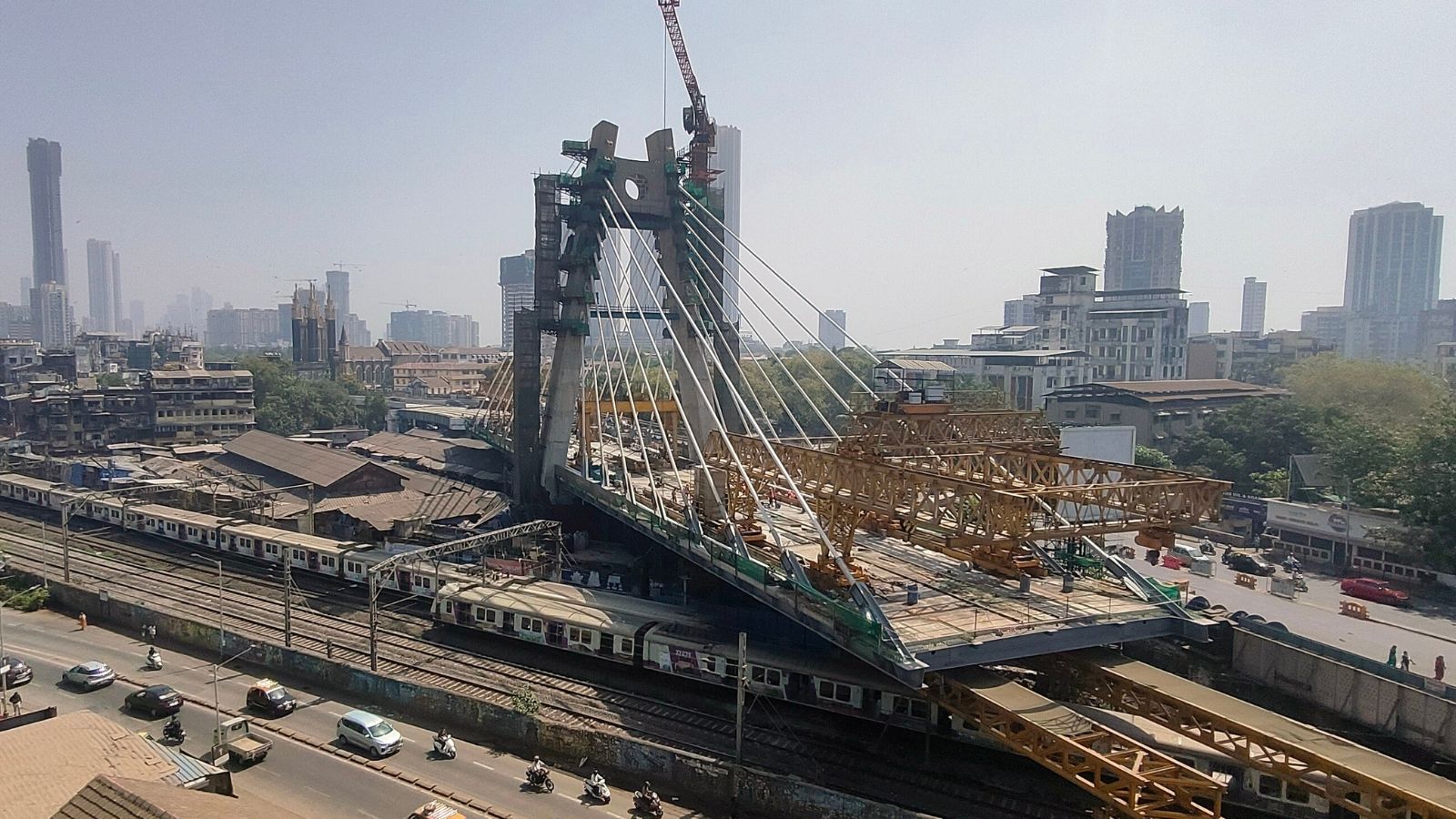
The city government and railway authorities identified several bridges that were over 100 years old and no longer safe for heavy traffic. Two of the most important projects are the Reay Road cable-stayed bridge and the reconstruction of the Carnac Bridge. These structures cross over busy railway lines, making the construction process difficult but necessary. Workers have been using advanced technology to build these bridges without stopping the trains that run underneath them.
Important Numbers and Facts
The Reay Road bridge is a modern cable-stayed structure, stretching about 280 meters in length. It is designed to look like a smaller version of the famous Sea Link. The Carnac Bridge, which was originally built in the 1860s, was completely removed because it was too weak to hold modern trucks. The new version of the Carnac Bridge will be much wider, allowing for more vehicles to pass at once. The total cost for these infrastructure improvements runs into hundreds of crores, reflecting the scale of the work being done to improve the city's flow.
Background and Context
South Mumbai is the historic heart of the city, and much of its infrastructure dates back to the British era. While these old bridges served the city well for a century, they were not built for the millions of people and cars that use them today. In recent years, many of these bridges were declared "dangerous" by experts. Some were closed entirely, while others had strict weight limits. This forced heavy vehicles onto smaller local roads, causing massive gridlock. Rebuilding these bridges is not just about making things faster; it is about ensuring the city's transport system does not collapse.
Public or Industry Reaction
Local residents have expressed a mix of relief and frustration. While most people are happy that the traffic will eventually improve, the long construction time has caused daily headaches. Shop owners near the construction sites have seen fewer customers because of the dust and blocked pathways. However, transport experts and urban planners have praised the move. They argue that using cable-stayed designs is a smart choice because it requires fewer pillars, which helps keep the railway tracks clear and speeds up the building process.
What This Means Going Forward
Once these two bridges are fully open to the public, the city plans to move on to other aging structures. The success of the Reay Road and Carnac projects will serve as a model for future work in other parts of Mumbai. The government is also looking at how these bridges connect to the new Coastal Road and the Eastern Freeway. The goal is to create a seamless path for drivers to move from one end of the city to the other without hitting a single major traffic jam. In the coming years, we can expect more old bridges to be replaced by these modern, high-capacity versions.
Final Take
The construction of these two bridges is a clear sign that Mumbai is prioritizing long-term solutions over quick fixes. While the road closures and noise are difficult for now, the result will be a more efficient and modern city. By addressing the problems of the past, Mumbai is preparing itself for a future where moving through the city is no longer a daily struggle. These bridges are more than just concrete and steel; they are vital links that will keep the city's economy and people moving forward.
Frequently Asked Questions
Which two bridges are being built in South Mumbai?
The two main projects are the new cable-stayed bridge at Reay Road and the reconstructed Carnac Bridge near the main railway hub.
Why were the old bridges replaced?
The original bridges were over 100 years old and were no longer strong enough to safely carry the heavy traffic and large vehicles used today.
How will these bridges help daily commuters?
The new bridges are wider and have more lanes, which will remove traffic bottlenecks and significantly reduce the time people spend waiting in traffic jams.



