
Summary
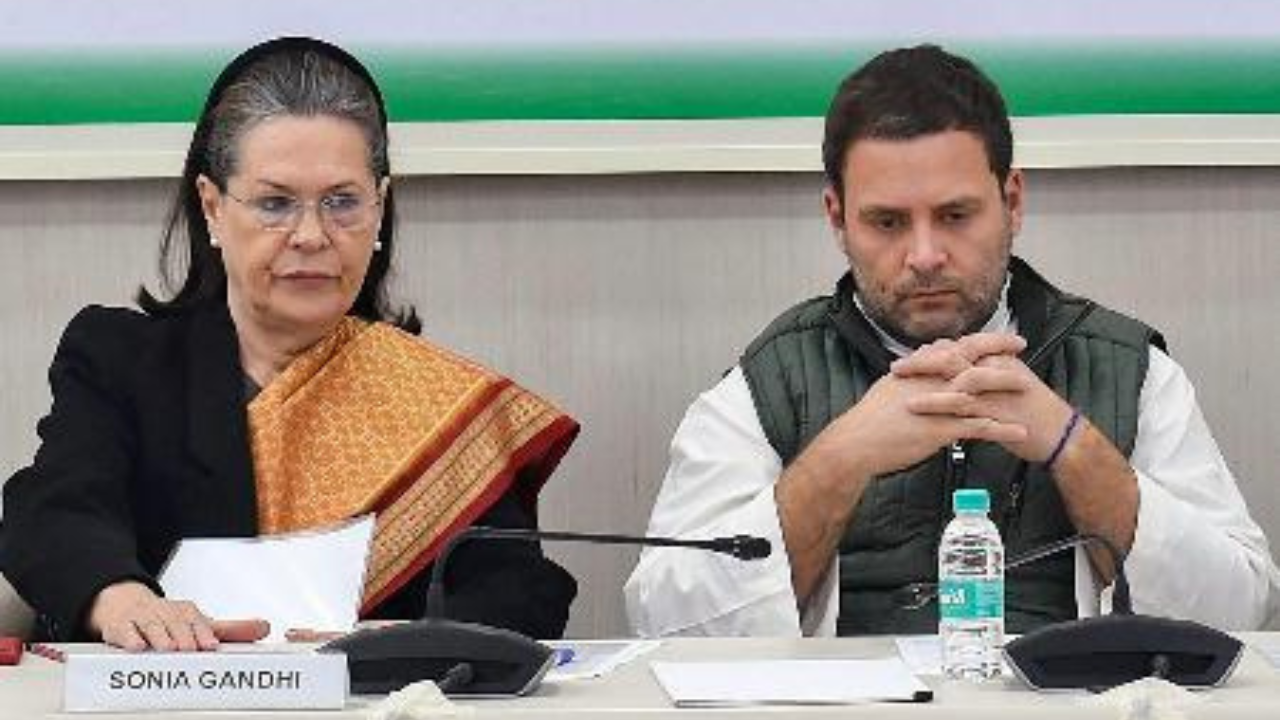
A court has asked senior Congress leader Sonia Gandhi to provide a formal response regarding a case about her inclusion in a voter list. The legal challenge questions the validity of her registration as a voter in a specific area. This request for a reply is a standard part of the legal process to ensure all sides are heard. The court has scheduled the next hearing for May 16 to review the matter further.
Main Impact
This development puts a spotlight on the strict rules governing election registration in India. When a high-profile leader faces a challenge regarding their voter status, it often leads to a wider discussion about election laws and transparency. The outcome of this case could clarify how residency and registration requirements are applied to public officials. It also adds a layer of legal scrutiny to the political activities of one of the country's most well-known figures.
Key Details
What Happened
The court is currently looking into a petition that claims there were issues with how Sonia Gandhi was added to the electoral roll. In the Indian legal system, a voter must meet specific residency requirements to be listed in a particular constituency. The petitioner argues that these rules were not properly followed in this instance. By seeking a reply, the court is giving the Congress leader an opportunity to present her facts and legal standing before any judgment is made.
Important Numbers and Facts
The most critical date in this timeline is May 16, which is when the court will sit again to hear the arguments. The case involves the electoral roll, which is the official list of people who are allowed to vote in an election. While the specific details of the petition are being reviewed, the court's decision to seek a reply indicates that the matter requires a formal legal explanation. No final decision has been made yet, and the proceedings are in the early stages of gathering evidence and statements.
Background and Context
In India, being on the voter list is the primary requirement for participating in the democratic process. To be registered in a specific area, a person usually needs to prove they are a resident there. For politicians, this can sometimes become a point of debate, especially if they have homes or offices in multiple cities. Challenges to voter lists are not uncommon, but they gain significant attention when they involve top-tier national leaders.
The electoral roll is managed by the Election Commission, but the courts have the power to intervene if someone files a legal challenge. These rules exist to ensure that every vote is cast legally and that the democratic process remains fair. Over the years, many leaders across different parties have faced similar questions about where they are registered to vote and whether they meet the local requirements.
Public or Industry Reaction
The reaction to this court order has been divided along political lines. Supporters of the Congress party often view such legal challenges as attempts to create hurdles for their leaders. They believe that the registration followed all necessary legal steps and that the court will eventually dismiss the claims. On the other hand, political opponents and the petitioners argue that the law must be the same for everyone, regardless of their status or power.
Legal experts are watching the case to see how the court interprets the residency rules. Many believe that the case will depend heavily on the documents provided during the next hearing. The general public remains interested because the case involves a person who has played a major role in Indian politics for decades. For many, it is a test of how the legal system handles complaints against influential individuals.
What This Means Going Forward
The next step is for Sonia Gandhi’s legal team to file a detailed response before the May 16 deadline. This response will likely include proof of residency and other documents that support her registration. Once the reply is submitted, the court will examine the arguments from both sides. If the court finds that the registration was done correctly, the case will likely be closed. However, if the court finds any errors, it could lead to further legal actions or changes in the voter list.
This case also serves as a reminder for all political figures to ensure their paperwork is in perfect order. As technology makes it easier to track and verify data, legal challenges regarding voter lists may become more frequent. The final decision in this matter will likely be cited in future cases involving similar disputes over electoral registration.
Final Take
The court's request for a reply is a routine but necessary step in maintaining the integrity of the electoral process. While the case has clear political overtones, it is fundamentally a matter of following the law. The upcoming hearing in May will be a key moment in determining whether the challenge has merit or if the registration stands as valid. For now, the focus remains on the legal arguments that will be presented in the coming weeks.
Frequently Asked Questions
Why did the court ask for a reply?
The court asked for a reply to give Sonia Gandhi a chance to explain her side of the story regarding her voter registration. This is a standard legal procedure to ensure fairness for all parties involved.
When is the next court hearing?
The next hearing for this case is scheduled for May 16. At that time, the court will review the responses and decide on the next steps in the legal process.
What is a voter list case?
A voter list case usually involves a challenge to a person's right to be registered as a voter in a specific area. It often focuses on whether the person actually lives in that area or meets the legal requirements to vote there.



