Summary
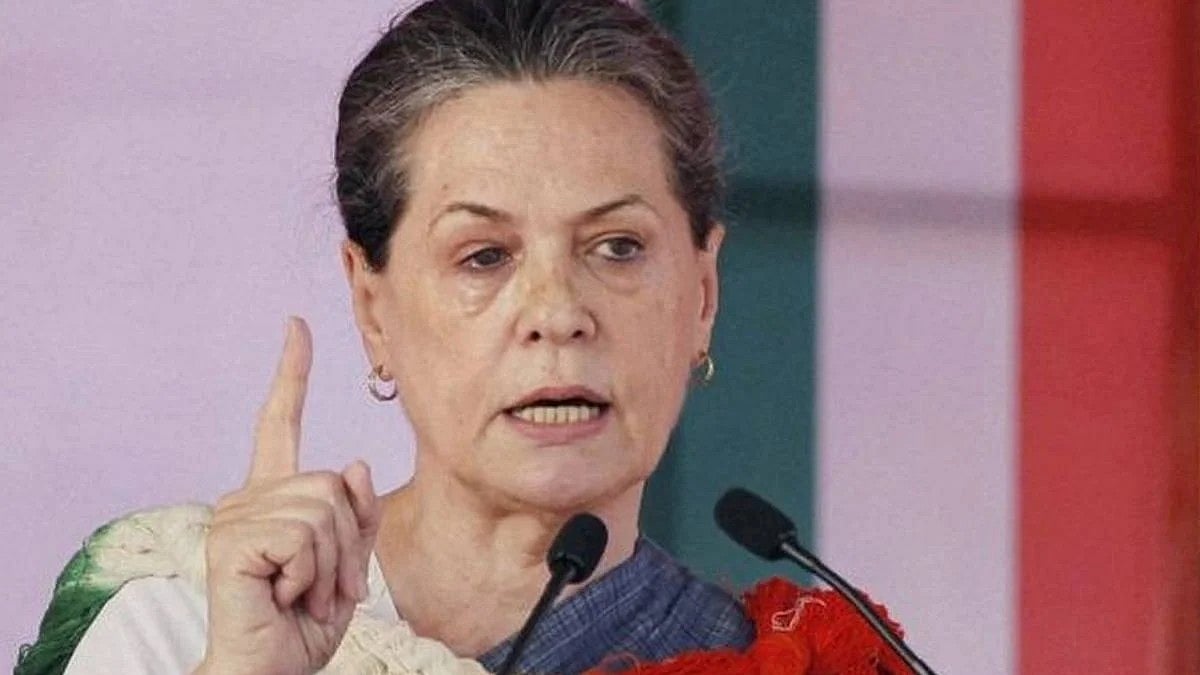
Sonia Gandhi, the leader of the Congress Parliamentary Party, has strongly criticized the Indian government for its silence following the assassination of Iran’s Supreme Leader, Ayatollah Ali Khamenei. She argued that the government’s refusal to speak out is not a sign of neutrality but a failure to lead. Gandhi believes this silence damages India’s reputation on the world stage and ignores international laws. She is now calling for a full debate in Parliament to address the country's foreign policy direction.
Main Impact
The main concern raised by Sonia Gandhi is the shift in how India handles global conflicts. For decades, India has maintained a balance between competing nations, often standing up for the independence and rights of smaller or developing countries. By not condemning the targeted killing of a sitting head of state, Gandhi argues that India is losing its "strategic autonomy." This means India might no longer be seen as an independent voice, but rather as a country that follows the lead of powerful allies like the United States and Israel. This change could affect India's ability to protect its own interests and citizens in the Middle East.
Key Details
What Happened
On March 1, 2026, Iran confirmed that its Supreme Leader, Ayatollah Ali Khamenei, was killed in a targeted strike. These attacks were reportedly carried out by the United States and Israel. Following the event, Prime Minister Narendra Modi expressed "deep concern" and spoke about the need for dialogue. However, he did not specifically condemn the assassination or the violation of Iran’s borders. Sonia Gandhi pointed out that this attack happened while diplomatic talks were still going on, making the event even more shocking to the international community.
Important Numbers and Facts
The timing of the event is a major point of debate. The assassination took place only 48 hours after Prime Minister Modi finished a visit to Israel. During that visit, he showed strong support for the Israeli government. Gandhi also highlighted that nearly 10 million Indian citizens live and work in the Gulf region. She noted that India’s past success in keeping these citizens safe during wars in Iraq, Yemen, and Syria was due to India being seen as a fair and independent actor. She also referenced Article 2(4) of the United Nations Charter, which says countries should not use force against the territory or independence of other nations.
Background and Context
India has historically had strong ties with both Iran and Israel. Iran is a key partner for energy and regional security, while Israel is a major provider of defense technology and agricultural tools. In the past, Indian leaders have managed to keep both relationships healthy. For example, in 2001, then-Prime Minister Atal Bihari Vajpayee visited Tehran to strengthen ties with Iran. Sonia Gandhi argues that the current government is moving away from this balanced approach. She believes that because India has good relations with both sides, it should use that influence to stop violence rather than staying quiet when international laws are broken.
Public or Industry Reaction
The Congress party has officially condemned the bombings and the killing of the Iranian leader. They described the event as a dangerous move that could lead to a much larger war. Other members of the "Global South"—a group of developing nations—along with India’s partners in the BRICS group, like Russia and China, have also shared more critical views of the attack. Within India, some political experts are worried that the government's current stance makes India look like a "partisan proxy," or a country that simply takes the side of its strongest friends instead of following clear principles.
What This Means Going Forward
The next big step will happen in Parliament. When the Budget session resumes, the Congress party plans to force a discussion on this issue. They want the government to explain why it has not taken a firmer stand on the breakdown of international order. There are also risks to consider. If the Middle East becomes more unstable, the safety of millions of Indian workers could be at risk. Furthermore, if other countries feel that India will not defend the idea of national sovereignty, they may not trust India to help them in future disputes. India must decide if it wants to be a moral leader or just a regional power that follows the strongest side.
Final Take
India often uses the phrase "Vasudhaiva Kutumbakam," which means the world is one family. Sonia Gandhi argues that this should be more than just a slogan. To truly lead, India must speak up for justice and international law, even when it is difficult or uncomfortable. Staying silent during such a major global event is a missed chance for India to show the world that it stands for peace and fairness. The upcoming debate in Parliament will be a key moment to see if India will return to its traditional role as a balanced and independent global voice.
Frequently Asked Questions
Why is Sonia Gandhi criticizing the Indian government?
She believes the government's silence on the killing of Iran's leader is a failure to uphold international law and hurts India's reputation as an independent global power.
What is the "Global South" and why does it matter here?
The Global South refers to developing nations in regions like Africa, Asia, and Latin America. Gandhi argues that these countries may lose trust in India if India does not defend the sovereignty of other nations.
How could this situation affect Indian citizens?
With 10 million Indians working in the Gulf, any major conflict in the Middle East could put their lives and jobs at risk. India's ability to protect them often depends on being seen as a neutral and fair country.