
Summary
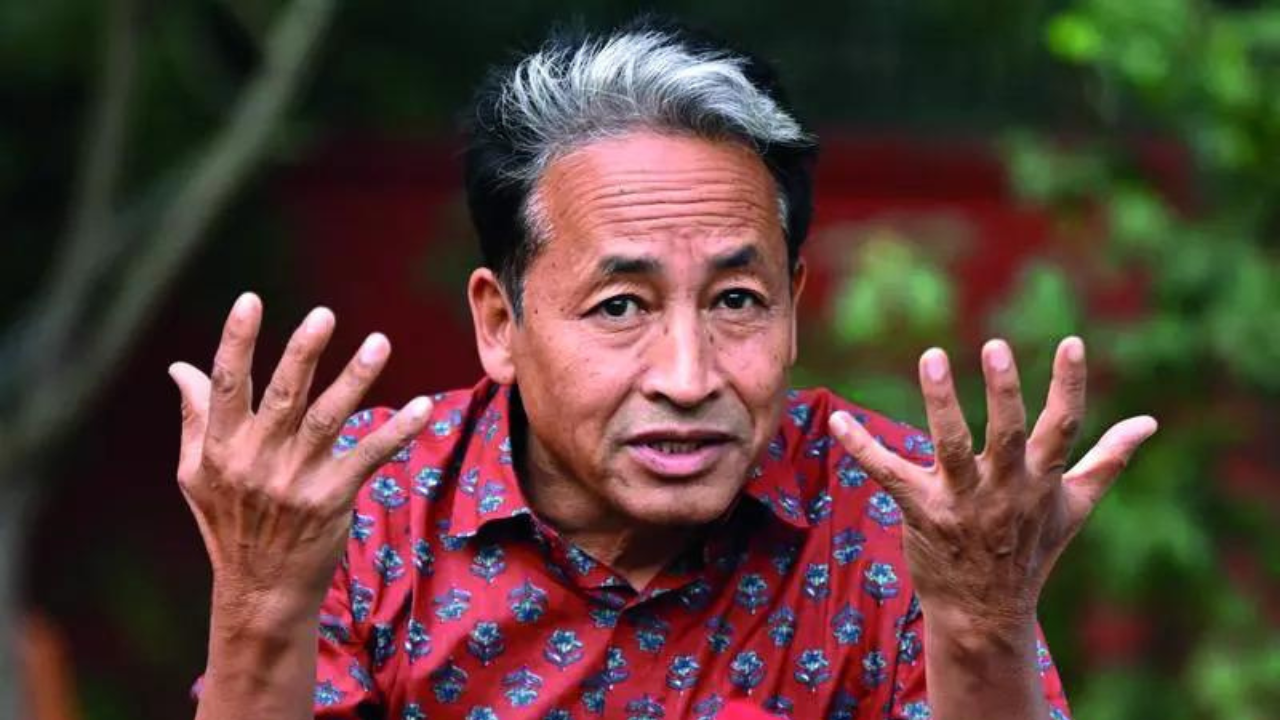
Sonam Wangchuk, a well-known activist from Ladakh, has raised concerns about a growing gap in trust between the local people and the Indian government. It has been more than two months since the last official meeting took place, and no new date for talks has been set. This lack of communication is making people in the region feel ignored and frustrated. Wangchuk is calling on the Prime Minister and the Home Minister to act quickly to prevent further social tension in this sensitive border area.
Main Impact
The primary impact of this delay is the breakdown of trust between the citizens of Ladakh and the central authorities. When a government stops talking to its people, it often leads to uncertainty and anger. For Ladakh, which sits in a vital strategic location, maintaining a good relationship with the local population is essential for national stability. The current silence from the government is causing many to feel that their demands for local rights and environmental protection are not being taken seriously.
Key Details
What Happened
Sonam Wangchuk recently shared that the dialogue between Ladakh’s representatives and the Ministry of Home Affairs has come to a complete stop. After his recent release from detention, there was hope that the government would resume discussions regarding the region's future. However, over sixty days have passed without any word on when the next meeting will happen. This silence has led to a feeling of "disillusionment" among the people who have been peacefully asking for political changes for several years.
Important Numbers and Facts
The situation involves several key points that have been at the center of protests in Ladakh. The local leaders are pushing for a four-point agenda. This includes the demand for full statehood and the inclusion of Ladakh in the Sixth Schedule of the Indian Constitution. It has been over eight weeks since the last formal talk, which is the specific timeline causing the current worry. The movement is led by groups like the Leh Apex Body and the Kargil Democratic Alliance, who represent the diverse voices of the region.
Background and Context
To understand why these talks are so important, we must look back to 2019. At that time, the Indian government changed the status of Jammu and Kashmir. Ladakh was made a separate Union Territory, but unlike other regions, it was not given its own elected assembly. This means that local people do not have the power to make their own laws. Instead, the region is managed by officials appointed by the central government.
Many people in Ladakh are worried that without local control, their fragile mountain environment could be harmed by large industrial projects. They are also concerned about losing their land and jobs to people from outside the region. The Sixth Schedule is a special law that allows tribal areas to have their own councils to manage land, water, and forests. Since the majority of people in Ladakh belong to tribal communities, they believe this protection is necessary for their survival.
Public or Industry Reaction
The reaction in Ladakh has been one of deep concern. There have been several large protests and hunger strikes in the past to bring attention to these issues. Local leaders feel that the government is using delay tactics to avoid making difficult decisions. The youth in Ladakh are particularly worried about their future, as they feel there is no clear plan for job creation or local representation. Wangchuk’s warning about "social discord" suggests that the peaceful atmosphere in the region could be at risk if the government continues to ignore the situation.
What This Means Going Forward
The next steps depend entirely on the central government. If the Home Ministry sets a date for new talks, it could help rebuild the trust that has been lost over the last two months. However, if the silence continues, the people of Ladakh may feel they have no choice but to start new protests. Because Ladakh shares borders with other countries, it is very important for the government to keep the region stable. A happy and secure local population is the best way to ensure the safety of the border.
Final Take
The situation in Ladakh shows how important it is for a government to keep talking to its citizens. Simple communication can prevent small problems from becoming much larger ones. Rebuilding trust will require the government to listen to the people of the mountains and give them a real say in their own future.
Frequently Asked Questions
Why is Sonam Wangchuk worried about a trust deficit?
He is worried because the government has not held any meetings with Ladakh's leaders for over two months, which makes the local people feel that their concerns are being ignored.
What is the Sixth Schedule?
The Sixth Schedule is a part of the Indian Constitution that gives tribal areas the power to create local councils. These councils can make laws to protect their land, culture, and resources.
What are the main demands of the people in Ladakh?
The people are asking for Ladakh to become a full state with its own elected assembly, protection under the Sixth Schedule, and job security for local residents.



