
Summary
A court in Nagpur has rejected the bail requests of top officials from Solar Industries India Limited (SIIL) following a deadly explosion at their facility. The court found that the company failed to follow basic safety rules, which led to the loss of several lives. This decision emphasizes that company leaders can be held responsible for accidents caused by poor safety management. The ruling is a significant step in the ongoing legal battle to find justice for the victims and their families.
Main Impact
The refusal of bail means that the senior officials will stay in custody while the police continue their investigation. This move by the court sends a clear warning to the entire industrial sector. It shows that safety lapses in dangerous work environments will not be taken lightly by the law. For the families of the workers who died, this decision provides some hope that the management will face consequences for the lack of protection provided to their employees.
Key Details
What Happened
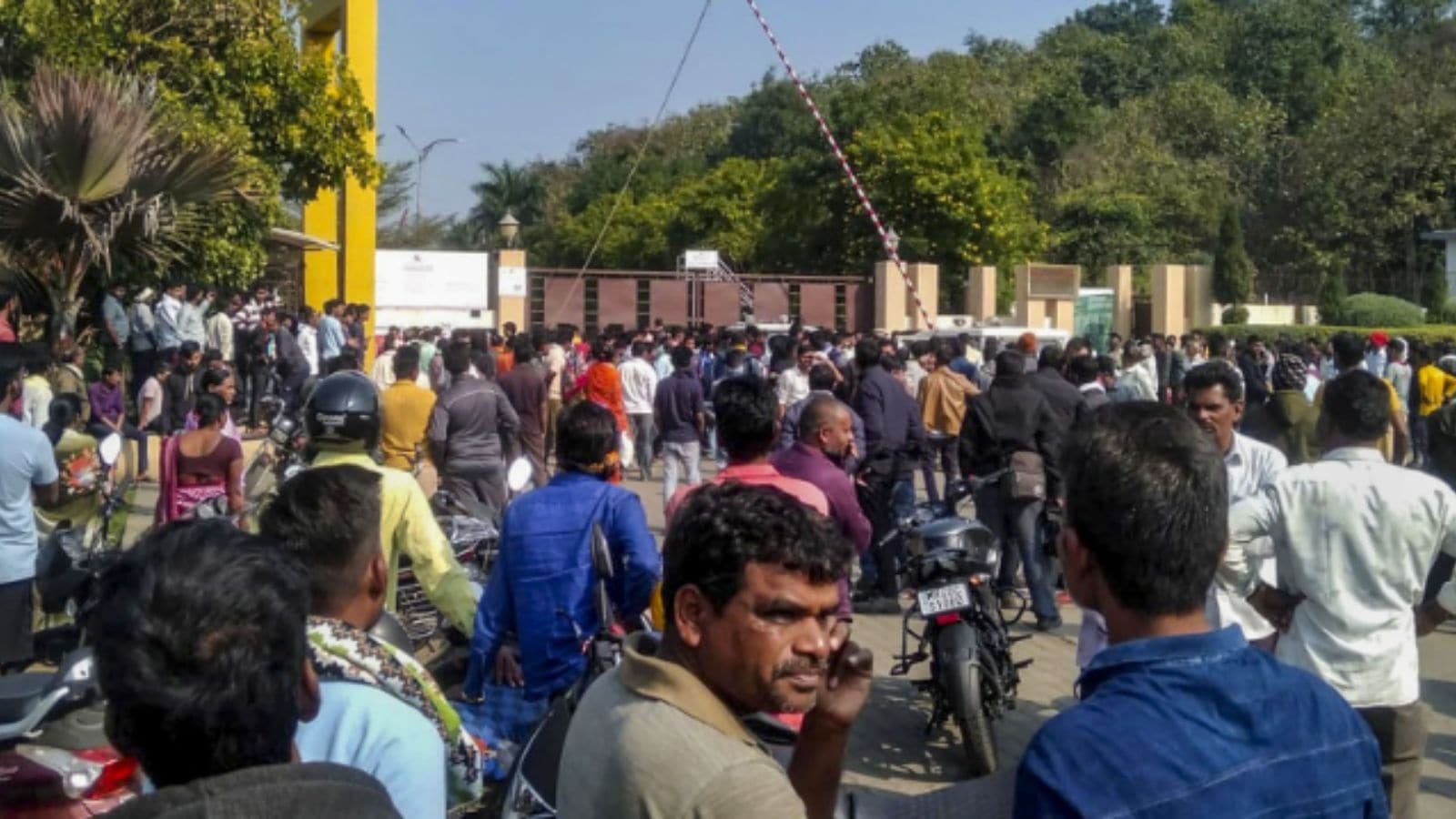
The incident took place at the Solar Industries plant located near Nagpur. The facility is used to manufacture high-grade explosives for mining and defense purposes. The blast occurred in the packing area of the "Cast Booster" plant, where workers were handling sensitive materials. The force of the explosion was so great that it completely destroyed the building and was felt in nearby villages. Initial reports suggested that the blast was triggered during the handling of explosive chemicals that were not stored or moved according to safety protocols.
Important Numbers and Facts
The explosion resulted in the deaths of nine workers, including several women. During the court hearing, it was revealed that the room where the blast happened was overcrowded. While safety rules state that only a small number of people should be in the high-risk zone, there were many more present at the time. Furthermore, the court noted that the amount of explosive material kept in the room exceeded the legal limit. The investigation also found that the required safety supervisors were not at their posts when the accident occurred.
Background and Context
Solar Industries is one of the largest companies in India that makes explosives. Because the work they do is very dangerous, they must follow the Explosives Act and other strict government rules. These rules are designed to prevent sparks, control the amount of heat in the work area, and limit the number of people exposed to danger. In simple terms, when dealing with materials that can blow up, there is no room for error. This case has brought a lot of attention to how large factories sometimes cut corners to speed up production, often at the cost of worker safety.
Public or Industry Reaction
The public reaction has been filled with anger and sadness. Local community members and labor unions have held protests, demanding that the company pay higher compensation to the families of the deceased. Many people are calling for a permanent change in how these factories are inspected. Within the industry, other companies are now under pressure to review their own safety systems. Safety experts have pointed out that many accidents in India happen because the workers are not trained well enough to handle the modern equipment or dangerous chemicals they use every day.
What This Means Going Forward
The legal process is likely to be long. The police are expected to file a detailed charge sheet that lists all the specific safety laws that were broken. The government may also send special teams to inspect other explosive manufacturing units across the country to ensure they are following the law. For the company, this case could lead to heavy fines and a loss of reputation. It may also lead to new laws that make it easier to prosecute company directors if they ignore safety warnings from their own staff or government inspectors.
Final Take
No job should cost a person their life. The Nagpur court’s decision to deny bail shows that the lives of workers are more important than the convenience of company executives. This case serves as a reminder that safety is a basic right, not a luxury. Moving forward, the focus must remain on making sure that every person who goes to work in a factory comes home safely at the end of the day. True industrial growth can only happen when the people doing the work are protected by strong rules and responsible leadership.
Frequently Asked Questions
Why did the court refuse bail for the officials?
The court refused bail because there was strong evidence of safety negligence. The judge noted that the company ignored rules regarding the number of people and the amount of explosives allowed in the work area.
How many people died in the Nagpur blast?
Nine workers lost their lives in the explosion at the Solar Industries plant. The victims included both men and women who were working in the packing unit at the time.
What are the main safety lapses mentioned in the case?
The main lapses included overcrowding in high-risk zones, keeping too much explosive material in one place, and the absence of safety supervisors during dangerous tasks.



