
Summary
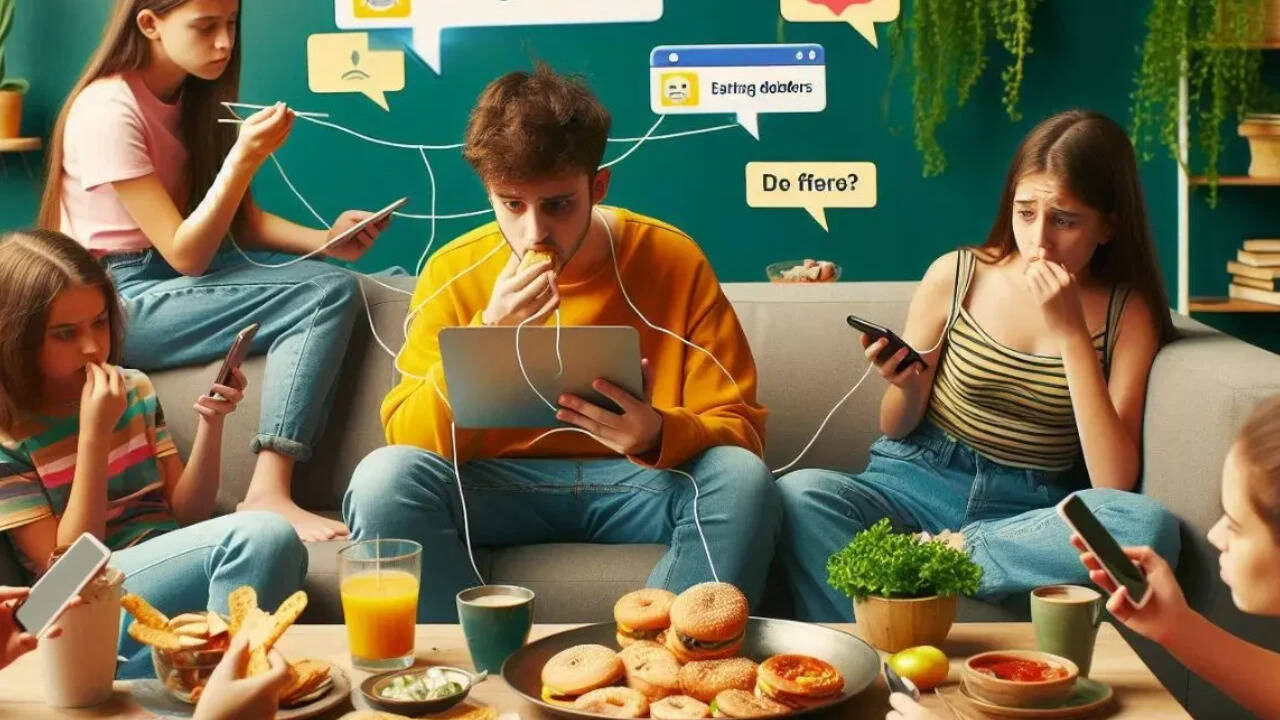
Social media has become a major part of daily life for most teenagers. However, spending too much time on these platforms is being linked to serious health issues, specifically eating disorders. Constant exposure to edited images and "perfect" lifestyles can make young people feel bad about their own bodies. This trend is a growing concern for parents, doctors, and teachers who see the negative effects on teen mental health.
Main Impact
The biggest impact of social media addiction is the intense pressure it puts on teens to look a certain way. When young people see influencers and peers posting photos that look perfect, they often feel they need to match those standards. This pressure can lead to dangerous behaviors, such as skipping meals, avoiding certain food groups, or exercising too much. Over time, these habits can turn into clinical eating disorders that require professional medical help and long-term treatment.
Key Details
What Happened
Many teenagers spend several hours every day on apps like Instagram, TikTok, and Snapchat. These apps use computer programs called algorithms that show users more of what they interact with. If a teen looks at weight-loss content or fitness videos, the app will keep showing them similar posts. This creates a cycle where the teen is constantly reminded of their perceived flaws. Instead of seeing a variety of body types, they are trapped in a feed that only shows one narrow version of beauty.
Important Numbers and Facts
Studies show that a large percentage of teenagers feel unhappy with their bodies after using social media for even a short time. Experts note that eating disorders often start between the ages of 12 and 18, which is the same time social media use is highest. Research suggests that those who spend more than three hours a day on social media are at a much higher risk for mental health problems. Additionally, the use of filters and photo-editing tools has made it harder for teens to tell the difference between a real person and an edited image.
Background and Context
In the past, people only saw "perfect" bodies in magazines or on television. Today, these images are available 24 hours a day on mobile phones. Social media is no longer just a place to talk to friends; it is a place where people compete for likes and comments. For a teenager, a lack of likes on a photo can feel like a personal failure. This need for online approval makes them more likely to change their eating habits to fit a certain look that they think will be popular online. Because their brains are still developing, they are more sensitive to this kind of social pressure.
Public or Industry Reaction
Health experts are calling for social media companies to take more responsibility for the content on their platforms. Many doctors believe that apps should do more to hide content that promotes unhealthy dieting or extreme weight loss. Parents are also being encouraged to talk to their children about digital literacy. This means teaching kids that most photos online are edited and do not represent real life. Some schools have started adding mental health and body image lessons to their classes to help students build confidence that does not depend on the internet.
What This Means Going Forward
As technology continues to grow, the link between the digital world and physical health will likely become even stronger. There is a push for new laws that would require social media apps to have better age checks and safety features for young users. In the future, we may see more rules about labeling edited photos so that viewers know the image is not real. For now, the focus is on helping teens build self-esteem that is based on their real-life skills and relationships rather than how many followers they have.
Final Take
The connection between social media addiction and eating disorders is a serious issue that requires attention from all parts of society. While these platforms offer ways to stay connected, they also carry risks for young people who are still finding their identity. Protecting the mental health of the next generation will require a mix of better technology rules, more awareness in schools, and stronger support at home.
Frequently Asked Questions
How does social media contribute to eating disorders?
Social media encourages constant comparison with others. When teens see edited photos of "perfect" bodies, they may feel their own body is not good enough, leading to unhealthy eating habits to try and change their appearance.
What are the signs that a teen is too focused on social media?
Signs include spending many hours online, feeling anxious when they cannot check their phone, and basing their mood on how many likes or comments they receive on their posts.
What can parents do to help their children?
Parents can set limits on screen time, encourage hobbies that do not involve phones, and have open conversations about how images online are often fake or edited to look better than reality.



