
Summary
A government-appointed panel has recommended a major change in how households pay for piped natural gas (PNG). The group is calling for a shift from traditional billing to smart prepaid meters. This move aims to make gas usage more transparent for families and more efficient for the companies providing the service. By using these digital tools, the panel believes the industry can reduce payment delays and billing errors.
Main Impact
The primary impact of this recommendation is a complete change in the consumer experience for millions of gas users. Instead of receiving a bill at the end of the month based on past usage, people will pay for their gas in advance. This system is very similar to how prepaid mobile phone plans work. For gas companies, this change will help them get paid faster and reduce the costs of sending workers to read meters at every house.
Key Details
What Happened
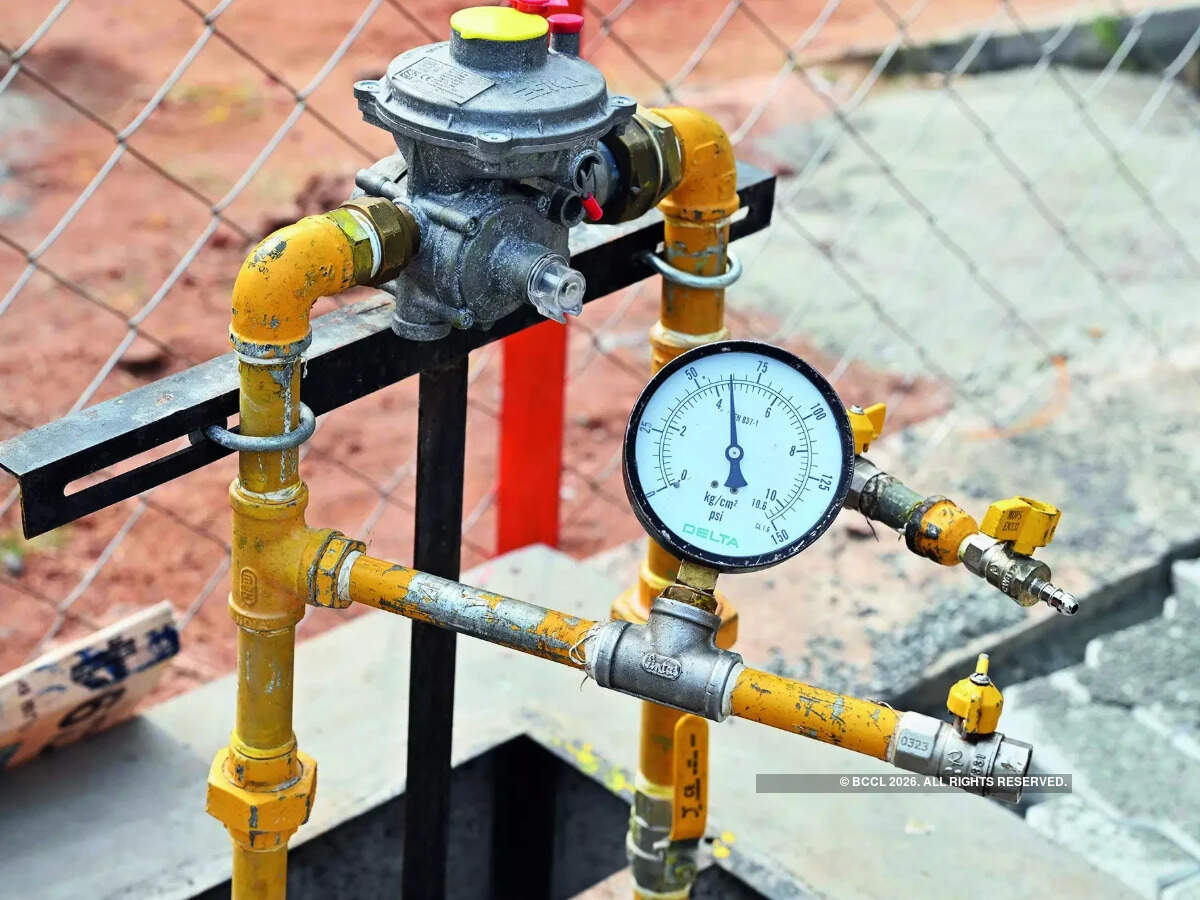
The panel looking into the gas sector suggested that City Gas Distribution (CGD) companies should stop using old-fashioned meters. They want these companies to install smart prepaid meters for all domestic customers. These new devices use digital technology to track gas flow in real-time. They can send data directly to the gas company without anyone needing to visit the home. This technology also allows users to see exactly how much gas they are using through a smartphone app or a digital display.
Important Numbers and Facts
Currently, the vast majority of PNG users in the country are on a postpaid system. This means they use the gas first and pay the bill weeks later. The panel suggests a phased rollout of the new meters to ensure a smooth transition. One of the main reasons for this push is the high cost of manual billing. In many cities, gas companies struggle to get accurate readings because residents are not home when the meter reader visits. Smart meters solve this problem by providing 100% accurate, remote data collection.
Background and Context
Piped natural gas has become a popular choice for cooking in many Indian cities because it is safer and often cheaper than using traditional gas cylinders. However, as the number of users grows, the billing process has become more difficult to manage. Many customers often complain about "estimated bills," which happen when a company guesses how much gas was used because they could not read the meter. These guesses often lead to arguments and long customer service calls. By moving to a prepaid system, the exact amount of gas used is paid for upfront, which removes the need for estimates and reduces the chance of errors.
Public or Industry Reaction
Gas distribution companies have generally welcomed this idea. For them, it means they no longer have to worry about customers who do not pay their bills on time. It also saves them a lot of money on labor and printing paper bills. On the consumer side, the reaction is mixed. Many people like the idea of having more control over their budget. They can choose to top up their account with a specific amount of money each month. However, some people are worried that their gas might be cut off suddenly if they forget to recharge their account, especially during a holiday or late at night.
What This Means Going Forward
In the coming months, we can expect to see new rules from the government that set a timeline for this change. Gas companies will likely start by installing these meters in new housing projects before moving to older neighborhoods. There will also be a need for better digital infrastructure. Since these meters need to send data over a network, companies must ensure that the technology works even in areas with poor signals. Additionally, companies will need to create easy-to-use apps and websites so that everyone, including the elderly, can recharge their gas accounts without any trouble.
Final Take
Switching to smart prepaid meters is a logical step in modernizing the way we use energy at home. It brings the gas industry in line with the digital changes we have already seen in the electricity and mobile phone sectors. While the initial switch might be a bit confusing for some, the long-term benefits of accurate billing and better budget control will likely make it a positive change for most households. It is a move toward a more efficient and honest system for both the people buying the gas and the companies selling it.
Frequently Asked Questions
How do I add money to a smart prepaid gas meter?
Most companies will provide a mobile app or a website where you can pay using a credit card, debit card, or digital wallet. Some may also offer offline recharge options at local shops.
Will my gas cut off immediately if I run out of balance?
Most smart systems are designed to give users several warnings when their balance is low. Some systems also have an "emergency credit" feature that keeps the gas flowing for a short time until you can recharge.
Do I have to pay for the new smart meter?
The cost of the meter is usually handled by the gas company, though there might be a small installation fee or a security deposit depending on the specific rules set by the local provider.



