
Summary
Director Barry Levinson has recently spoken out to defend his 1996 film, Sleepers. The movie, which features a famous cast including Robert De Niro, faced a lot of criticism when it first came out. Most of the anger focused on a scene where a priest tells a lie in court to protect the main characters. Levinson says that people focused too much on this one detail and missed the bigger point of the movie, which was about the long-term damage caused by child abuse.
Main Impact
The director’s comments bring new life to a decades-old debate about how movies handle "true stories." By defending the film now, Levinson is reminding audiences that movies are meant to tell emotional truths, even if every detail is not a perfect match for real life. This defense helps shift the focus away from legal arguments and back toward the serious topic of how victims of abuse deal with their past. It also highlights the pressure filmmakers face when they adapt books that claim to be based on real events.
Key Details
What Happened
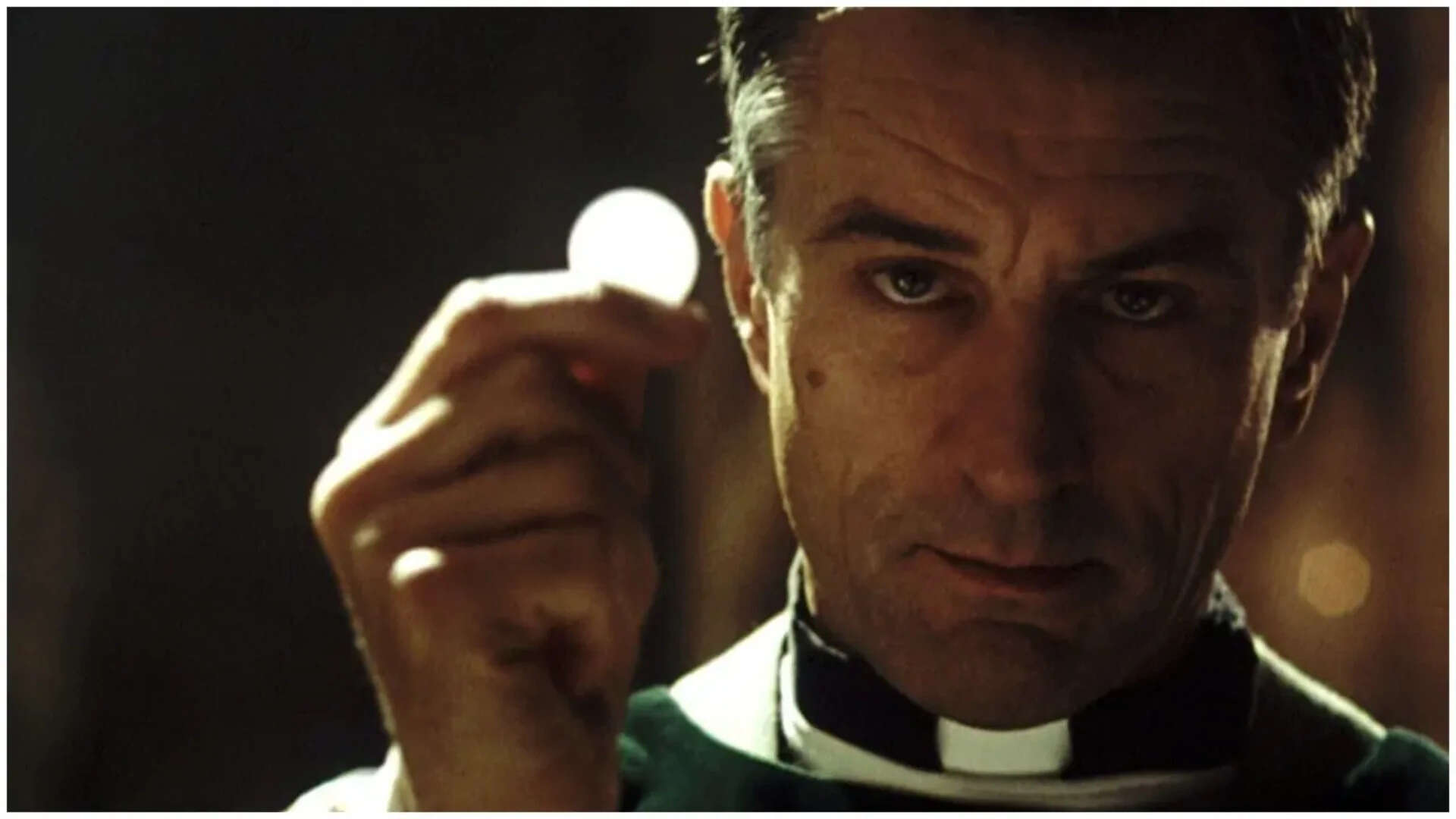
In the film Sleepers, Robert De Niro plays a character named Father Bobby. He is a priest who knows that two young men committed a murder. However, he also knows that these men were victims of terrible abuse at a reform school when they were children. To save them from going to prison, Father Bobby goes to court and gives a false alibi. He tells the judge and jury that the men were with him at a basketball game during the time of the crime. This lie allows the men to go free.
At the time of the film's release, many people were upset by this. They felt it was wrong to show a priest lying under oath. Some critics also questioned if the story was actually true, as the book it was based on claimed. Barry Levinson says he was surprised by all the "noise" and arguments. He believes that the film should be seen as a story rather than a historical record that needs to be proven.
Important Numbers and Facts
Sleepers was released in October 1996. It was based on a popular book by Lorenzo Carcaterra. The movie had a very large budget for its time and featured some of the biggest stars in Hollywood, including Brad Pitt, Dustin Hoffman, and Kevin Bacon. Despite the controversy, the film was a success at the box office, earning over $160 million worldwide. It remains a well-known legal drama today, often discussed for its dark themes and its portrayal of the justice system.
Background and Context
The story of Sleepers follows four boys growing up in a tough neighborhood in New York City during the 1960s. After a prank goes wrong, they are sent to a juvenile detention center. While there, they are physically and sexually hurt by the guards. Years later, two of the boys see one of their abusers in a restaurant and kill him. The rest of the movie follows the trial and the plan to get revenge on all the guards who hurt them.
The biggest issue for many people was that the author, Lorenzo Carcaterra, said the story was true. However, reporters and legal experts could not find any records of a trial like the one in the book. Because there was no proof, the movie was attacked for being dishonest. Barry Levinson explains that as a director, his job was to tell a powerful story about the characters' lives, not to act like a journalist or a historian.
Public or Industry Reaction
When the movie first arrived in theaters, the reaction was mixed. Many viewers were moved by the performances and the sad story of the four friends. However, the Catholic Church and some legal groups were not happy. They felt that showing a priest lying in court set a bad example and made the legal system look weak. Some people even called for a boycott of the film.
Levinson recalls being confused by how much people focused on the accuracy of the priest's testimony. He felt that the public was missing the point. To him, the most important part of the film was showing how the trauma from the reform school stayed with the boys for the rest of their lives. He wanted the audience to feel the pain of the characters rather than worry about the rules of a courtroom.
What This Means Going Forward
Levinson’s recent comments serve as a reminder of the difference between a documentary and a feature film. In the future, this might encourage other directors to be more open about how they change real-life events to fit a movie's narrative. It also shows that even after nearly 30 years, the themes of Sleepers are still relevant. The film continues to spark discussions about justice, revenge, and the way society treats victims of abuse. By speaking up now, Levinson is making sure that the film's message about the effects of abuse is not forgotten because of a debate over a single scene.
Final Take
The controversy surrounding Sleepers shows how difficult it can be to tell stories about sensitive topics. While the debate over the priest's lie was loud, the director remains firm in his choice. He believes that the emotional impact of the story is what truly matters. By focusing on the human cost of abuse, the film aims to tell a truth that goes beyond simple facts and figures.
Frequently Asked Questions
Is the movie Sleepers based on a true story?
The author of the book, Lorenzo Carcaterra, claimed it was a true story. However, many researchers and officials have said they can find no evidence that these events actually happened in real life.
Why was Robert De Niro’s character controversial?
De Niro played a priest who lied in court to give the main characters an alibi. Many people felt this was an unrealistic or improper way to show a member of the clergy.
What is the main message of the film according to Barry Levinson?
Levinson says the film is about the terrible consequences of child abuse and how that trauma follows people into their adult lives, rather than being a simple courtroom drama.



