
Summary
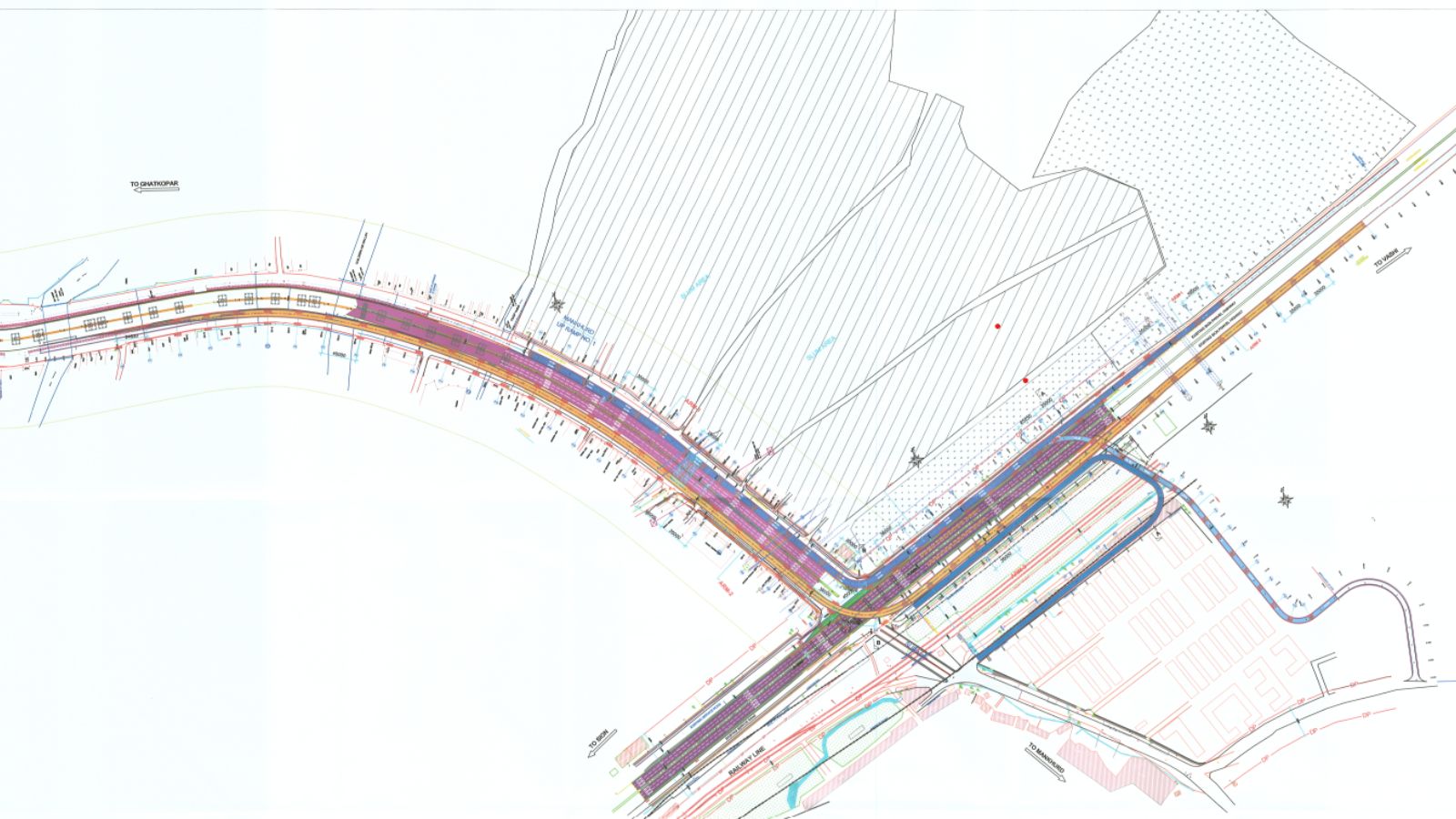
The Brihanmumbai Municipal Corporation (BMC) has announced a clear timeline for the completion of new flyover arms at the Sion-Panvel Highway T-junction. This major road project is expected to be finished and open to the public by January 2027. The goal of this construction is to fix the heavy traffic jams that happen daily at one of the city's busiest intersections. By adding these new paths, the city hopes to make travel faster and safer for thousands of people moving between Mumbai and Navi Mumbai.
Main Impact
The biggest impact of this project will be the reduction of travel time for daily commuters. Currently, the T-junction on the Sion-Panvel Highway acts as a bottleneck, where many roads meet and cause cars to slow down or stop for long periods. Once the new flyover arms are open, drivers will be able to bypass the crowded ground-level signals. This change will not only help private cars but also improve the movement of buses and trucks that carry essential goods into the city.
Key Details
What Happened
The BMC has been working on plans to improve the Sion-Panvel Highway for several years. Recently, the local government confirmed that the work on the additional flyover arms is moving forward according to a set schedule. These "arms" are essentially extra ramps or branches added to an existing bridge. They allow drivers to turn in different directions without crossing paths with other traffic. The construction team is currently focusing on building the support pillars and preparing the road sections that will sit on top of them.
Important Numbers and Facts
The project has a firm deadline of January 2027. The Sion-Panvel Highway is one of the most used roads in the region, with more than 100,000 vehicles passing through it every single day. Engineers estimate that the new flyover arms will help reduce the waiting time at the junction by at least 15 to 20 minutes during rush hour. The project is part of a larger plan to modernize the city's road network to keep up with the growing number of residents and vehicles.
Background and Context
The Sion-Panvel Highway is the main artery connecting the island city of Mumbai to the mainland and the satellite city of Navi Mumbai. As more people move to the suburbs but continue to work in the main city, the pressure on this highway has increased. A T-junction is a place where one road meets another at a right angle, forming the shape of the letter "T." These spots are often the site of many accidents and long delays because cars coming from three different directions have to share the same space. By building a flyover, the city creates a "grade separator," which means roads are built at different heights so traffic can flow on multiple levels at the same time.
Public or Industry Reaction
Local residents have welcomed the news, as many have complained about the noise and air pollution caused by idling cars at the junction. Business owners who rely on timely deliveries are also hopeful that the new road will lower their costs by reducing fuel waste. However, some transport experts have pointed out that while new flyovers help in the short term, the city must also continue to invest in trains and buses. Some drivers have expressed concern about the construction work itself, which may cause temporary lane closures and slower traffic until the project is finished in 2027.
What This Means Going Forward
Between now and January 2027, drivers should expect some changes in how they use the Sion-Panvel Highway. The BMC will likely put up signs for diversions and temporary paths to keep traffic moving while the heavy lifting is done. Once the project is complete, the area around the T-junction will look very different, with multiple levels of roads. This project is a sign that the city is prioritizing infrastructure to handle future growth. It also sets a standard for other busy intersections in Mumbai that may need similar flyover systems to solve their traffic problems.
Final Take
The expansion of the Sion-Panvel Highway flyover is a vital step in making Mumbai a more connected and efficient city. While the wait until 2027 might seem long, the permanent fix for the T-junction bottleneck will provide lasting relief for the thousands of people who use this route every day. Clearer roads mean less stress for drivers, better air quality for residents, and a stronger economy for the entire region.
Frequently Asked Questions
When will the new flyover arms be ready?
The BMC expects the project to be completed and open for public use by January 2027.
How will this help traffic?
The new arms will allow vehicles to bypass the busy T-junction signals, reducing wait times by about 15 to 20 minutes during peak hours.
Will there be traffic delays during construction?
Yes, there may be temporary lane closures or diversions while the work is being done. Drivers are advised to follow the signs and plan for extra travel time.



