Summary
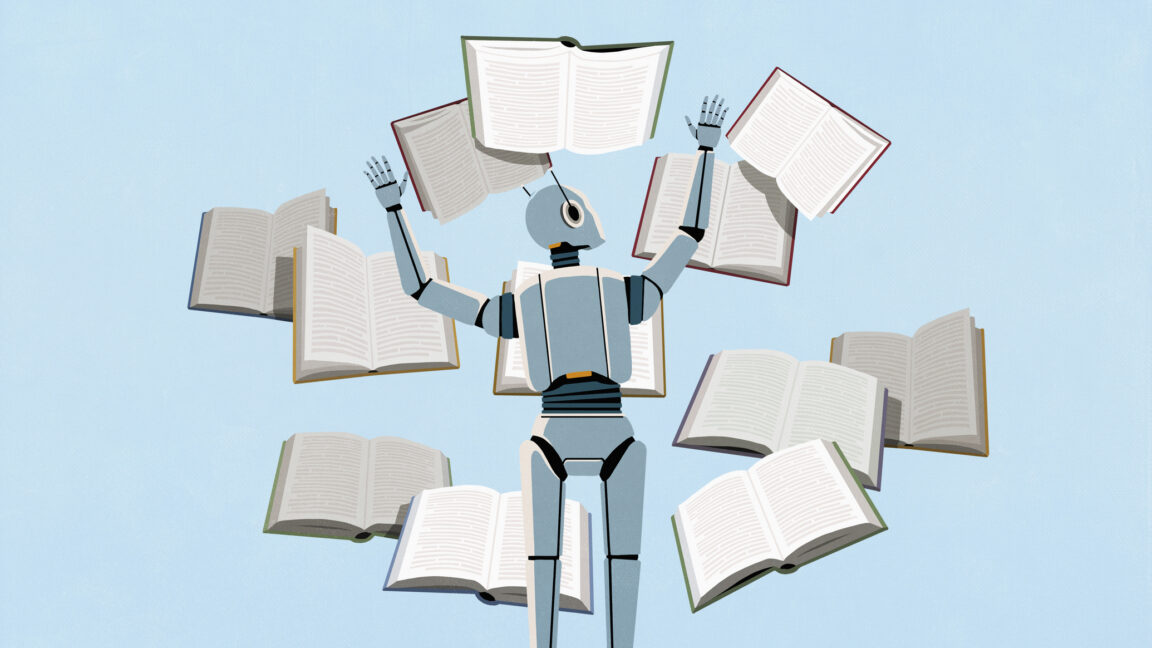
A major book publisher, Hachette, has officially stopped the sale and distribution of the horror novel Shy Girl. This decision comes after serious claims that the author, Mia Ballard, used artificial intelligence to write large portions of the book. Although the author denies these claims, the publisher has removed the book from the UK market and canceled its upcoming release in the United States. This event has sparked a massive debate about the role of technology in creative writing and the responsibilities of traditional publishing houses.
Main Impact
The removal of Shy Girl is a significant moment for the book industry. It marks one of the first times a major global publisher has canceled a high-profile book due to concerns over artificial intelligence. This move sends a strong message to authors and agents that human-led creativity remains a strict requirement for traditional publishing deals. For the author, the impact is a sudden halt to a rising career that began with a viral success on social media. For the industry, it highlights the need for better tools to check if a manuscript was actually written by a person or a computer program.
Key Details
What Happened
The controversy began following an investigation by the New York Times. The report suggested that significant parts of Shy Girl showed signs of being generated by artificial intelligence. These signs often include specific repetitive patterns, unusual word choices, and a lack of the natural flow found in human writing. Before this investigation, the book was a major success in the self-publishing world. Its popularity on social media platforms like TikTok helped it catch the attention of Hachette, one of the world's largest publishing companies. However, once the evidence of AI use became public, the publisher decided that they could no longer support the work.
Important Numbers and Facts
The book first appeared as a self-published title in 2025. It quickly gained thousands of fans online, which led to the professional publishing deal. Hachette had planned to release the book in multiple countries, including a major launch in the United States. Following the recent investigation, all physical and digital copies are being pulled from UK stores. The US release, which was highly anticipated by horror fans, has been completely scrapped. While the exact percentage of the book suspected to be AI-generated has not been released, experts suggest it was enough to change the nature of the work.
Background and Context
The story of Shy Girl is a dark horror tale that follows a woman named Gia. She is struggling with debt and mental health issues when she meets a wealthy man who offers to pay off all her bills. The catch is that she must live as his literal pet. As the story progresses, Gia begins to lose her humanity and physically transform into an animal. This type of "body horror" is a popular sub-genre that often goes viral online because of its shocking themes. Because the book was so popular on social media, Hachette likely saw it as a safe financial bet. This case shows the risks publishers take when they try to turn internet trends into professional books without doing enough background research on how the content was created.
Public or Industry Reaction
The reaction to this news has been split. Many readers who bought the book early on felt cheated, believing they were supporting a new human author. Some critics had already pointed out that the writing felt "off" or robotic before the news broke. One harsh review even stated that if the book was not written by a computer, then the author was simply not very good at writing. On the other hand, some people in the tech community argue that using AI is just another tool, like a spell-checker. However, the general consensus among authors is that using a computer to write a novel is a form of cheating that takes opportunities away from real writers.
What This Means Going Forward
This situation will likely change how publishing contracts are written. In the future, authors may have to sign legal documents promising that their work is entirely human-made. Publishers might also start using advanced software to scan every manuscript for AI patterns before offering a contract. This case also serves as a warning to self-published authors. While AI tools might make it faster to finish a book, using them can lead to long-term damage to an author's reputation and career. The focus will likely return to the quality of the prose and the unique voice that only a human can provide.
Final Take
The Shy Girl scandal is a clear sign that the publishing world is not ready to accept books written by machines. While technology is changing many parts of our lives, the art of storytelling is still something people value as a human experience. This event will be remembered as a turning point where the industry had to choose between following a viral trend and protecting the integrity of literature.
Frequently Asked Questions
Why was the book Shy Girl pulled from stores?
The book was removed because of evidence suggesting the author used artificial intelligence to write large parts of the story, which goes against the publisher's standards.
Does the author admit to using AI?
No, the author, Mia Ballard, has denied the claims. However, the publisher decided to cancel the book anyway following an investigation by the New York Times.
Will the book be available in the United States?
No. While there were plans to bring the book to the US market, the publisher has officially canceled those plans due to the ongoing controversy.