Summary
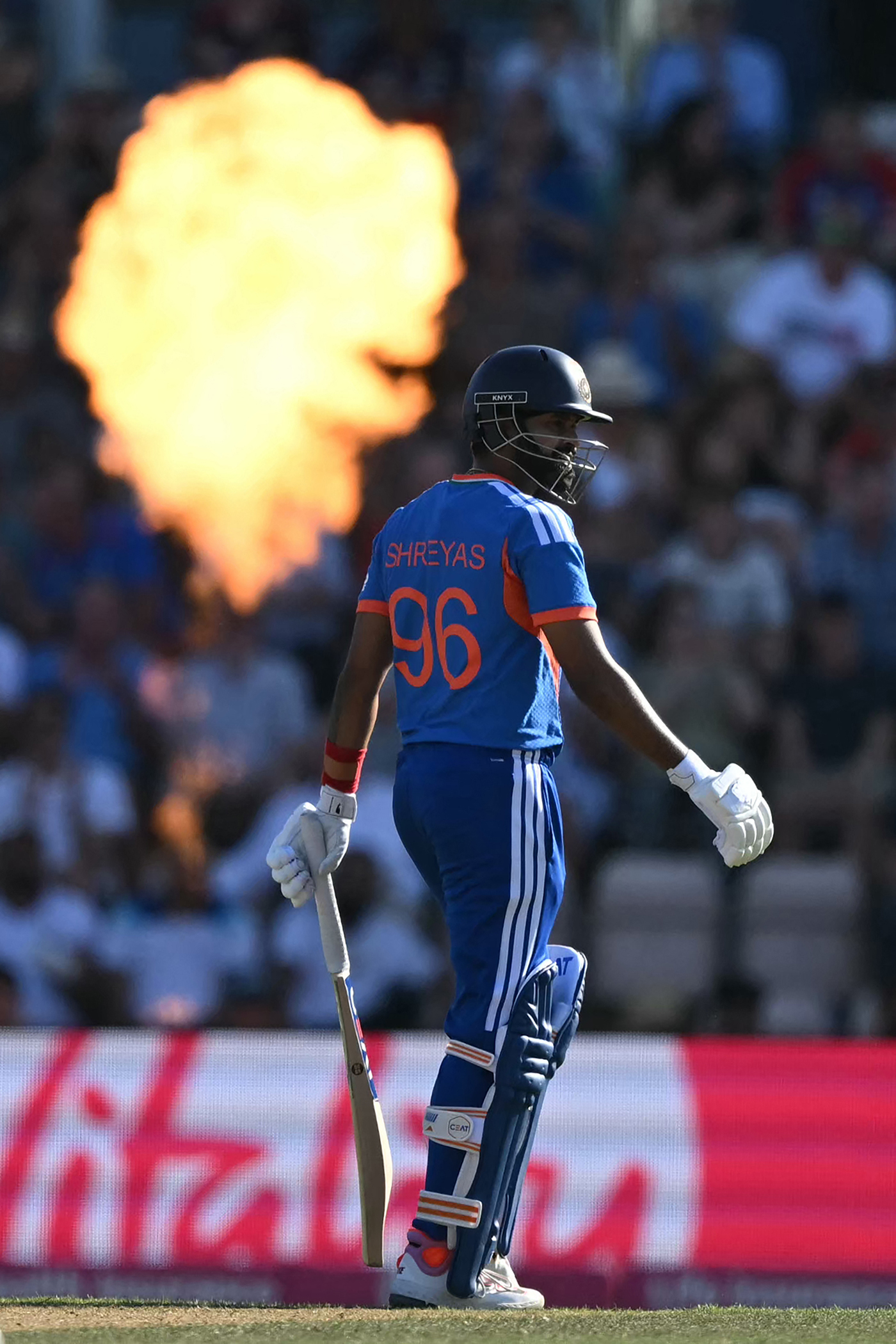
India's captain Shreyas Iyer admitted his team was completely outplayed and outfielded during a tough start to his leadership role in England and Ireland. The conditions proved difficult for the Indian side, who struggled to adapt to the pace and bounce of the pitches. Iyer acknowledged the challenges but said the experience will help him grow as a captain going forward.
Main Impact
The Indian team faced a harsh reality check in their opening matches under Shreyas Iyer's captaincy. They were beaten soundly by both England and Ireland, with the opposition's superior fielding and adaptability to local conditions making the difference. Iyer's admission that his side was "outplayed and outfielded" highlights the gap between the teams on the day.
Key Details
What Happened
India's tour began with back-to-back losses, first against England and then against Ireland. The team struggled to handle the swing and seam movement early on, and their fielding was below par, with several dropped catches and missed run-out chances. Iyer, who took over the captaincy recently, found himself under pressure from the start.
Important Numbers and Facts
India lost the first match by a significant margin of 6 wickets, with England chasing down the target with ease. In the second game against Ireland, India managed only 168 runs before being bowled out, and Ireland chased it down with 4 wickets in hand. The fielding stats were poor: India dropped 3 catches in the first match and 2 in the second, while their opponents held onto every chance.
Background and Context
Shreyas Iyer was appointed captain after the previous leader stepped down due to personal reasons. This was his first major assignment as captain, and the conditions in England and Ireland are known to be challenging for subcontinental teams. The pitches offer more bounce and lateral movement, which requires quick adjustment from batsmen used to slower, lower tracks. Fielding standards in international cricket have risen sharply, and India's lapses in this area cost them dearly.
Public or Industry Reaction
Fans and cricket experts were quick to criticize the team's performance, especially the fielding. Many pointed out that India's ground fielding and catching have been inconsistent for a while. Former players like Sunil Gavaskar and Ravi Shastri commented that the team needs to work harder on basics. However, some supporters backed Iyer, saying it is too early to judge his captaincy and that he will learn from these setbacks.
What This Means Going Forward
Iyer's admission shows he is aware of the problems, which is the first step to fixing them. The team will need to work on their fielding drills and adapt their batting techniques to bouncier tracks. For Iyer personally, this tough start could be a valuable learning experience. He will have to make tactical adjustments, like using his bowlers more cleverly and setting better fields. If India can bounce back in the remaining matches, this rough patch will be seen as a necessary lesson.
Final Take
Shreyas Iyer's honest assessment of his team's shortcomings is a good sign for a young captain. Being outplayed and outfielded is a wake-up call, but it also gives him a clear roadmap for improvement. The real test will be how he and his team respond in the next games. If they learn from these mistakes, this difficult start could make Iyer a stronger leader in the long run.
Frequently Asked Questions
Why did India struggle so much in England and Ireland?
India struggled mainly because the pitches in England and Ireland offer more bounce and seam movement than what players are used to in India. The team also had a poor day in the field, dropping several catches and missing run-out chances, which allowed the opposition to score freely.
Is Shreyas Iyer a good captain?
It is too early to say. Iyer has only just started his captaincy and faced tough conditions. His honest admission of the team's failures shows he is self-aware, which is a good quality. His leadership will be judged more fairly after he has had more matches and time to settle into the role.
What can India do to improve before the next match?
India needs to focus on two main areas: fielding and batting against pace. They should hold extra fielding practice sessions to improve catching and ground work. Batsmen need to work on playing the ball late and leaving well outside off stump. The bowlers also need to bowl tighter lines to build pressure on the opposition.