
Summary
The Academy Awards, commonly known as the Oscars, have been the top honor in the movie industry for nearly a century. While the night is meant to celebrate great films, it is often remembered for shocking and unscripted moments. From major mistakes in announcing winners to physical fights on stage, these events have become a permanent part of Hollywood history. These controversies do more than just provide entertainment; they often highlight serious issues regarding race, fairness, and professional behavior in the film world.
Main Impact
When something goes wrong at the Oscars, it changes the conversation from art to ethics and mistakes. These moments often go viral instantly, reaching millions of people who might not even watch the movies being honored. The impact of these controversies has forced the Academy to change its rules, update its voting blocks, and even hire crisis management teams to handle future surprises. These events show that even the most planned and glamorous nights can quickly turn into chaos.
Key Details
What Happened
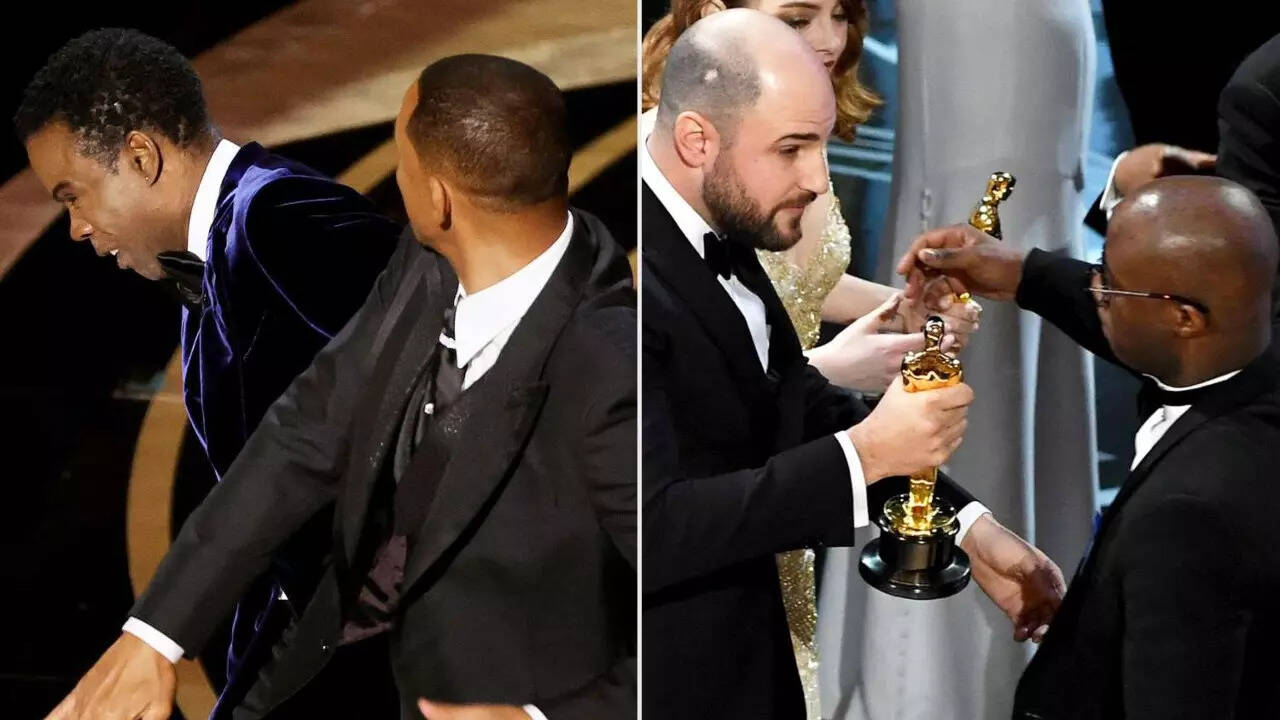
Over the decades, several moments have stood out as the most talked-about events in the show's history. One of the most famous was in 2017 when the wrong movie was announced as the Best Picture winner. Another major event occurred in 1973 when a famous actor refused his award to make a political statement. More recently, a physical altercation between two stars during the live broadcast shocked viewers worldwide. These moments range from technical errors to deeply personal protests.
Important Numbers and Facts
- 2022: Will Smith slapped Chris Rock on stage, leading to a 10-year ban from Academy events.
- 2017: The film La La Land was mistakenly called the winner for two minutes before the real winner, Moonlight, was corrected.
- 1973: Marlon Brando became the second person to refuse a Best Actor Oscar.
- 2015: The hashtag #OscarsSoWhite trended after all 20 acting nominations went to white actors for two years in a row.
- 1940: Hattie McDaniel became the first Black person to win an Oscar, but she was forced to sit at a segregated table at the back of the room.
Background and Context
The Oscars are supposed to be a highly controlled environment. Every second of the show is scripted, and the results are kept in locked briefcases. However, because the show is broadcast live to a global audience, any mistake or outburst becomes a massive public event. In the early years, controversies were often about social rules and race. In the modern era, social media has made these moments even bigger. A single mistake can now be turned into a meme or a news story that lasts for weeks. This pressure has made the Academy very sensitive to how the public views the ceremony.
Public or Industry Reaction
The reaction to these events is usually split. Some people feel that the drama makes the show more exciting and human. Others believe it takes away from the hard work of the filmmakers and actors. For example, after the "Envelope-gate" mistake in 2017, many felt bad for the creators of Moonlight because their big moment was ruined by confusion. After the 2022 slap, the industry was divided on how to punish Will Smith, with some calling for his award to be taken away and others asking for forgiveness. These reactions often lead to long-term changes in how the show is run.
What This Means Going Forward
The Academy is now much more careful about how it handles the live broadcast. They have introduced new security measures and "crisis teams" to respond to unexpected events immediately. There is also a much stronger focus on diversity to avoid the criticisms of the past. While the organizers try to keep the show professional, the history of the Oscars proves that human error and strong emotions are hard to control. Future shows will likely continue to face surprises, but the industry is now better prepared to handle them than they were in the past.
Final Take
The Oscars are more than just a trophy presentation; they are a mirror of what is happening in society. Whether it is a protest for civil rights or a simple human error, these controversies remind us that Hollywood is made of real people with real flaws. While the Academy wants the night to be perfect, it is often the imperfect moments that people remember the most. These stories have become just as important to the history of film as the movies themselves.
Frequently Asked Questions
Why did Marlon Brando refuse his Oscar?
Marlon Brando refused his award for The Godfather to protest how Native Americans were treated in Hollywood movies and to bring attention to a standoff between activists and the government at Wounded Knee.
What caused the Best Picture mistake in 2017?
The mistake happened because an accountant gave the presenters the wrong envelope. They were handed the envelope for Best Actress, which had Emma Stone's name and the movie La La Land on it, instead of the Best Picture envelope.
Has anyone ever been banned from the Oscars?
Yes, several people have been banned or expelled. Most recently, Will Smith was banned from attending any Academy events for 10 years following his physical confrontation with Chris Rock on stage.



