
Summary
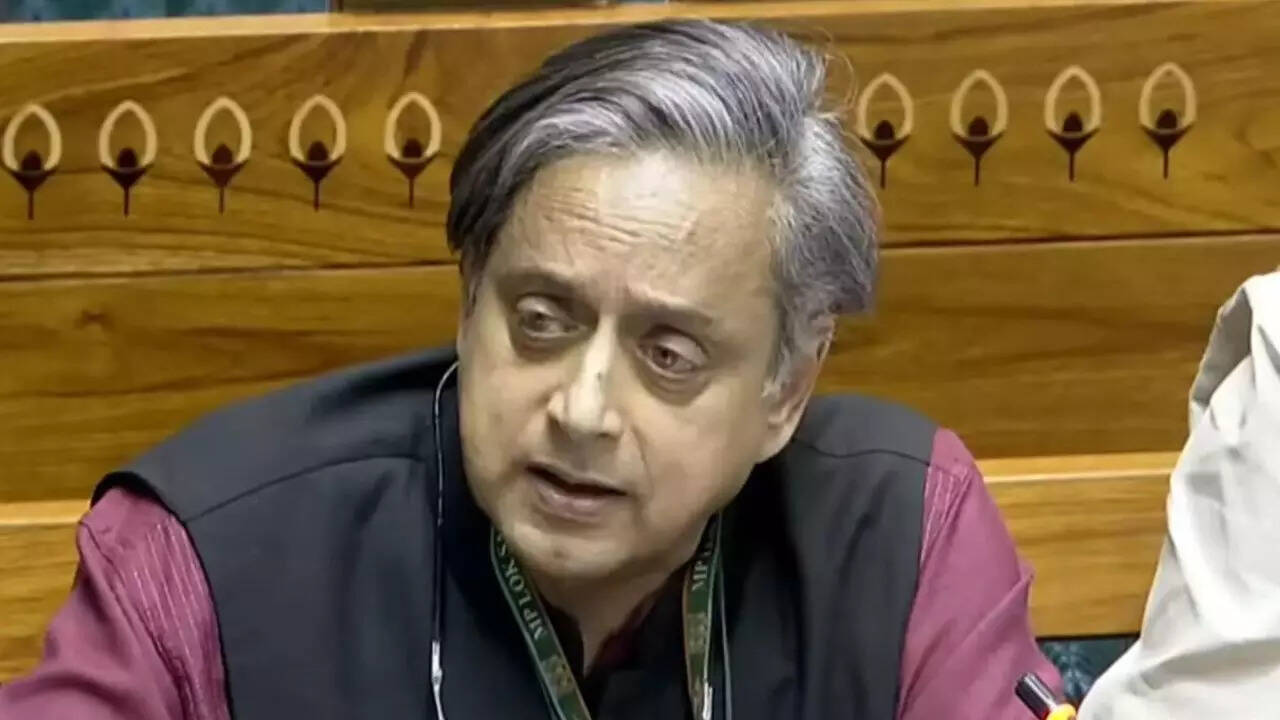
Shashi Tharoor, a senior Member of Parliament and leader of the Congress party, has called on the Indian government to take a more active role in stopping the ongoing conflict in West Asia. He pointed out that the fighting is not helping any of the countries involved and is instead causing major problems for the rest of the world. Tharoor believes that since the main goals of major powers like the United States and Iran have mostly been achieved, there is no reason for the violence to continue. He urged India to use its diplomatic influence to help bring peace to the region and protect global trade.
Main Impact
The main impact of this call for action is the focus on how local wars can hurt people thousands of miles away. When there is fighting in West Asia, it is not just a local issue. It affects the price of fuel and the cost of moving goods from one country to another. By asking the Indian government to lead peace efforts, Tharoor is highlighting India's growing importance on the global stage. If India successfully helps end the conflict, it could prevent further price hikes for oil and gas, which would help keep the cost of living stable for millions of people in India and abroad.
Key Details
What Happened
Shashi Tharoor shared his views on the current state of the West Asia conflict, noting that the situation has reached a point where nobody is winning. He explained that while the countries directly fighting are suffering, other nations are also paying a high price. This is because the region is a major hub for energy and trade. Tharoor suggested that the reasons for the conflict have largely been addressed by the major players involved, meaning that continuing the fight only brings unnecessary harm to the global economy.
Important Numbers and Facts
The conflict has led to significant disruptions in the movement of oil and gas. West Asia is responsible for a large portion of the world's energy supply. When fighting happens near shipping routes, the cost of insurance for ships goes up, and some ships have to take much longer paths to stay safe. This delay adds to the final price of products. Tharoor mentioned that the objectives of the United States and Iran have been mostly met, which provides a window of opportunity for peace talks that India could facilitate.
Background and Context
West Asia, often called the Middle East, is one of the most important regions for the global economy. It holds some of the world's largest oil and gas reserves. India, in particular, relies heavily on this region for its energy needs. Millions of Indian citizens also live and work in West Asian countries, sending money back home to their families. Because of these strong ties, any instability in the region has a direct effect on India's economy and the safety of its people. Historically, India has tried to maintain good relationships with all sides in the region, which puts it in a unique position to act as a mediator or a peacemaker.
Public or Industry Reaction
The reaction to Tharoor's statement reflects a growing concern among business leaders and policy experts about the long-term effects of the war. Many in the shipping and energy industries agree that the supply chain disruptions are making it harder to do business. While the Indian government has already been engaging in diplomacy, Tharoor’s call suggests that the public and the opposition want to see more visible and "proactive" steps. Some experts believe that India’s neutral stance allows it to talk to countries that might not talk to each other, making Tharoor's suggestion a practical path forward for Indian foreign policy.
What This Means Going Forward
Going forward, the Indian government may face more pressure to show leadership in international affairs. If India decides to take a "proactive lead" as suggested, it could involve hosting peace talks or working more closely with other world powers to create a ceasefire. The next steps will likely involve high-level meetings between Indian diplomats and their counterparts in West Asia. If the conflict does not end soon, the world might see even higher prices for petrol and diesel, which could lead to higher costs for food and everyday items. The goal is to find a solution that stops the violence and restores the normal flow of trade through the region's vital sea routes.
Final Take
The call for India to lead peace efforts in West Asia is a reminder that in a connected world, no country is an island. The economic health of India is tied to the stability of its neighbors and trade partners. By stepping up to help end the conflict, India can protect its own interests while also helping the world avoid a larger economic crisis. Peace is not just a moral choice; it is a practical necessity for global growth and stability.
Frequently Asked Questions
Why is the West Asia conflict affecting India?
India gets much of its oil and gas from West Asia. The conflict makes it harder and more expensive to transport these resources, which can lead to higher prices for fuel and goods in India.
What did Shashi Tharoor suggest the government should do?
He urged the Indian government to take a "proactive lead" in ending the conflict. This means India should use its diplomatic power to help the fighting sides reach a peace agreement.
Why does Tharoor think the conflict should end now?
He believes that the main goals of the major powers involved, like the US and Iran, have already been met. Therefore, continuing the fight only causes harm to the global economy without providing any new benefits to the countries involved.



