
Summary
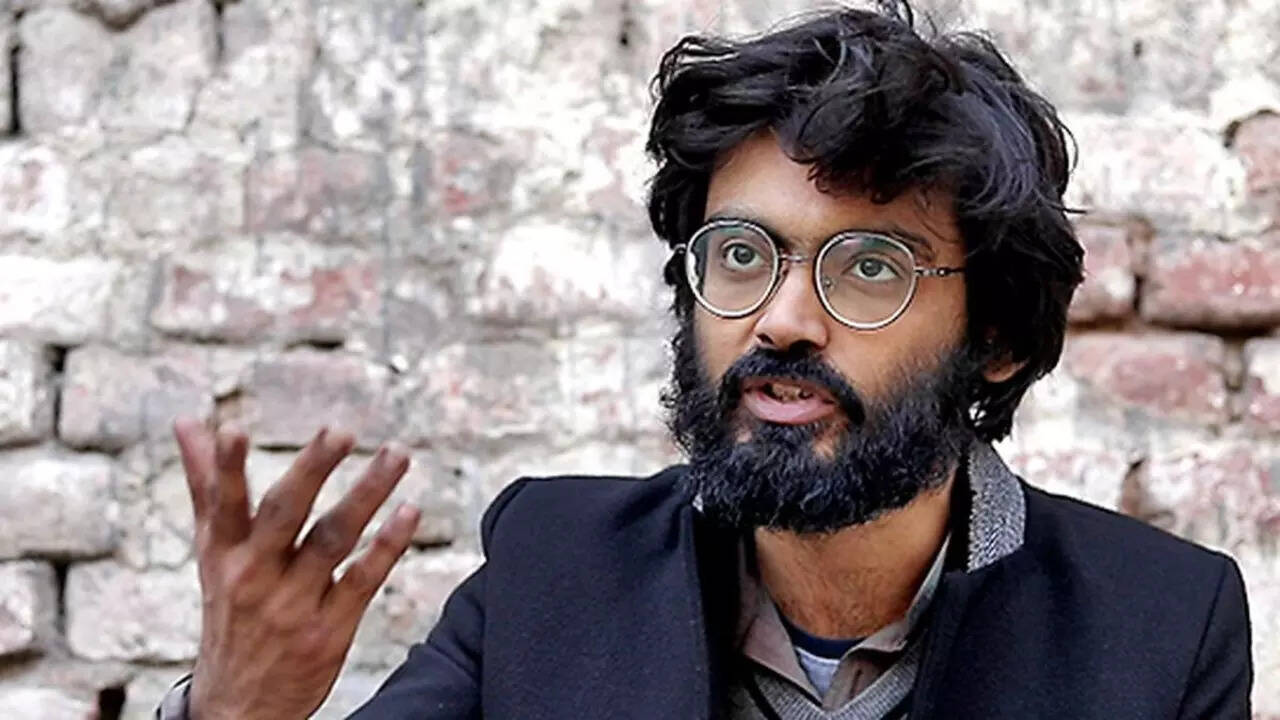
A court in Delhi has allowed Sharjeel Imam to leave jail for a short period of 10 days. This temporary release, known as interim bail, comes after he has spent several years in custody related to the 2020 Delhi riots. The decision is a notable change because higher courts had previously refused to grant him regular bail due to the serious nature of the charges against him. This short break allows him to attend to specific personal matters before he must return to prison to continue his legal battle.
Main Impact
The main impact of this court order is the temporary pause in the long-term imprisonment of one of the most well-known figures from the 2020 protest movement. For years, the legal system has struggled with the question of how long a person should stay in jail while waiting for a trial to finish. By granting this 10-day window, the court is acknowledging that even those facing very serious charges under anti-terror laws can sometimes be given short-term relief. However, this does not change the overall legal status of his case or the gravity of the accusations he faces.
Key Details
What Happened
Sharjeel Imam was granted interim bail by a local Delhi court for a duration of 10 days. Interim bail is a type of temporary freedom given for a specific reason and a set amount of time. It is not the same as regular bail, which would allow him to stay out of jail until his trial ends. This decision follows a long series of legal hearings in different courts. Earlier, the Supreme Court of India had looked at his request for regular bail but decided not to grant it. The higher court felt that the risks to public order and national security were too high to let him go free permanently at this stage.
Important Numbers and Facts
The case against Sharjeel Imam is linked to the violence that broke out in North East Delhi in February 2020. He has been in jail for more than four years. The charges against him fall under the Unlawful Activities (Prevention) Act, which is often called UAPA. This is a very strict law used for crimes that the government believes threaten the safety of the country. Under UAPA, getting bail is much harder than it is for normal crimes. The court's current order specifically limits his freedom to just 10 days, after which he must surrender back to the authorities.
Background and Context
To understand why this case is so important, it is helpful to look back at early 2020. At that time, many people across India were protesting against a new law called the Citizenship Amendment Act (CAA). During these protests, speeches were made that the government claimed were meant to stir up trouble and cause division between different groups of people. Sharjeel Imam was a student leader who became famous for his speeches during these events. The government accused him of using his words to encourage people to block roads and disrupt the country. Shortly after these events, violent riots broke out in parts of Delhi, leading to many deaths and injuries. Since then, the police have been investigating the link between the speeches and the violence that followed.
Public or Industry Reaction
The reaction to this news has been divided. On one side, human rights groups and legal experts have argued that keeping someone in jail for years without a final verdict is unfair. They believe that "jail should be the exception and bail should be the rule," meaning people should generally be free while they wait for their trial unless there is a very good reason to keep them locked up. On the other side, many people and government officials argue that the 2020 riots were a major threat to the city's peace. They believe that the strict rules of the UAPA are necessary to prevent further violence and that the court must be very careful when letting anyone involved in such cases out of jail.
What This Means Going Forward
This 10-day bail does not mean that the case is over. Once the 10 days are up, Sharjeel Imam will go back to jail, and the trial will continue. This event might encourage other people who have been in jail for a long time under the UAPA to ask for similar temporary relief. It shows that the courts are willing to look at the length of time someone has already spent behind bars. However, the legal path remains very difficult. The Supreme Court has already made it clear that just being in jail for a long time is not enough to get regular bail if the charges involve national security. The legal teams will likely continue to argue over whether the evidence against him is strong enough to keep him in custody until the trial finally ends.
Final Take
The decision to grant a 10-day break to Sharjeel Imam highlights the complex balance the Indian legal system must maintain. It must protect the rights of the individual while also ensuring the safety of the public. While this short release provides a brief moment of relief for the accused, the heavy weight of the 2020 riot cases continues to hang over the legal proceedings. The final outcome of the trial will eventually decide the long-term future for Imam and many others involved in these cases.
Frequently Asked Questions
What is interim bail?
Interim bail is a temporary release from jail granted by a court for a short, specific period. It is usually given for urgent reasons before a final decision on a regular bail application is made.
Why is the UAPA law important in this case?
The UAPA is a strict anti-terror law. It makes it much harder for a person to get bail because the court must be convinced that the person is likely innocent before letting them go, which is the opposite of how normal bail works.
Will Sharjeel Imam be free after 10 days?
No. After the 10-day period ends, he is required by law to return to prison and remain in custody while his trial for the 2020 Delhi riots case continues.



