
Summary
A major road project in Mumbai has hit a sudden stop because of a disagreement over housing. Nine homes in a crowded neighborhood are blocking the final stages of the Sewri-Worli Connector. The families living there refuse to move until they receive better options for their new homes. This small group of houses is now the only thing standing in the way of finishing a bridge that will help thousands of drivers every day. Officials are working to solve the problem, but the delay is causing concerns about the project's timeline and total cost.
Main Impact
The main impact of this dispute is a complete halt on construction in a vital section of the bridge. The Sewri-Worli Connector is designed to link the eastern and western parts of the city, making travel much faster. Because these nine homes remain in place, workers cannot build the final pillars needed to support the road. This delay means that the massive investment in the Mumbai Trans Harbour Link (MTHL) cannot be fully used by people trying to reach the west side of the city. Traffic in the surrounding areas remains heavy because the new shortcut is not yet open.
Key Details
What Happened
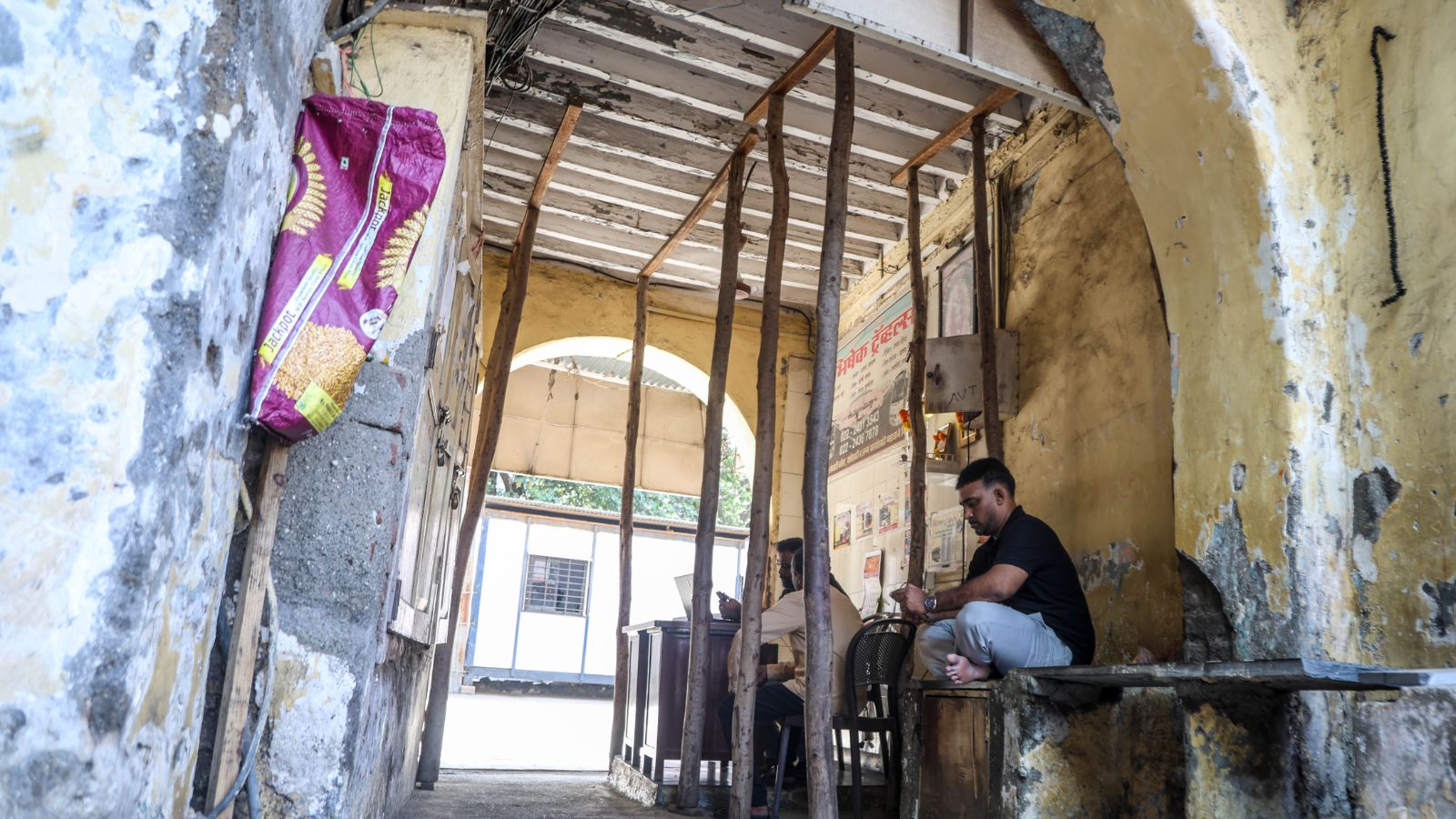
The Mumbai Metropolitan Region Development Authority (MMRDA) has been working on this bridge for several years. Most people who lived along the path of the bridge agreed to move to new housing provided by the government. However, nine families have stayed behind. They argue that the replacement homes offered to them are either too far away or not in good condition. They want to stay in the same area or receive better compensation. Because the law protects residents' rights to fair housing, the government cannot simply remove them without following strict rules. This has led to a standoff that has lasted for weeks.
Important Numbers and Facts
The Sewri-Worli Connector is about 4.5 kilometers long. It is an elevated road, which means it sits high above the ground on large concrete pillars. Engineers report that more than 90% of the project is already finished. The total cost of the project is estimated to be over 1,000 crore rupees. The bridge is meant to reduce travel time from an hour to just 10 minutes for people moving between Sewri and Worli. The nine homes in question are located in a very narrow part of the path, making it impossible for construction machines to work around them.
Background and Context
To understand why this bridge is so important, you have to look at how Mumbai is built. The city is long and narrow, and moving from the east side to the west side is often very slow because of old, crowded streets. The Sewri-Worli Connector is the "missing link" for the new Atal Setu, which is the longest sea bridge in India. When people come off the sea bridge at Sewri, they currently get stuck in local traffic. This new connector is supposed to take them directly to the Worli side, where they can join the Coastal Road. Without this connector, the multi-billion dollar sea bridge does not work as well as it should.
Public or Industry Reaction
People who drive in Mumbai are frustrated by the news. Many were looking forward to a faster commute and feel that a few homes should not stop a project that helps millions. On the other side, housing activists say the families have a right to be treated fairly. They argue that moving families far away from their jobs and schools ruins their lives. Industry experts warn that every day the project is delayed, the cost goes up. Construction companies have to pay for workers and machines even if they are standing still. The MMRDA is under pressure from the state government to finish the work before the next monsoon season starts.
What This Means Going Forward
The government has a few choices to move forward. They can try to offer the families more money or better apartments in a nearby building. If the families still refuse, the government might have to take the case to court to get an order for their removal. However, court cases can take a long time. Another option is to change the design of the bridge slightly, but that is very difficult and expensive at this late stage. Most likely, there will be a new round of talks to find a middle ground. Until then, the heavy machinery will stay quiet, and the bridge will remain unfinished.
Final Take
Building big projects in a crowded city like Mumbai is never easy. It requires a balance between the needs of the whole city and the rights of individual people. While the Sewri-Worli Connector is a vital piece of infrastructure, the dispute over these nine homes shows that human lives are just as important as concrete and steel. Solving this housing issue quickly is the only way to ensure the bridge opens and the city keeps moving.
Frequently Asked Questions
Why are the nine homes stopping the project?
The homes are located exactly where the final support pillars for the bridge need to be built. Construction cannot continue until the land is cleared.
What do the residents want?
The residents are asking for better rehabilitation options. They want new homes that are close to their current location and of better quality than what was first offered.
How much of the bridge is finished?
Most of the bridge is done. Officials say that over 90% of the construction is complete, with only a few sections remaining near the disputed area.



