
Summary
The election authorities have successfully finished the second round of randomization for Electronic Voting Machines (EVMs). This process is a critical step in the election cycle designed to ensure that the voting process remains fair and transparent. By randomly assigning specific machines to specific polling booths, the system prevents any possibility of tampering or bias. This move helps build trust among voters and political parties as the region prepares for the upcoming polls.
Main Impact
The primary impact of this second randomization is the total removal of human choice in where a voting machine is placed. Before this step, machines were only assigned to a general area or constituency. Now, each machine has a fixed destination that was chosen by a computer program. This makes it impossible for anyone to know which machine will be at a specific booth until the very last moment. This level of secrecy is vital for preventing any pre-planned attempts to interfere with the electronic voting process.
Key Details
What Happened
The District Election Officer (DEO) organized a formal meeting to conduct the randomization process. During this meeting, a specialized computer software was used to shuffle the identification numbers of the machines. The software then matched these numbers with the list of polling stations in the district. This was done in the presence of representatives from various political parties to ensure that everyone could see the process was honest and unbiased. Once the list was generated, it was printed and shared with all stakeholders for their records.
Important Numbers and Facts
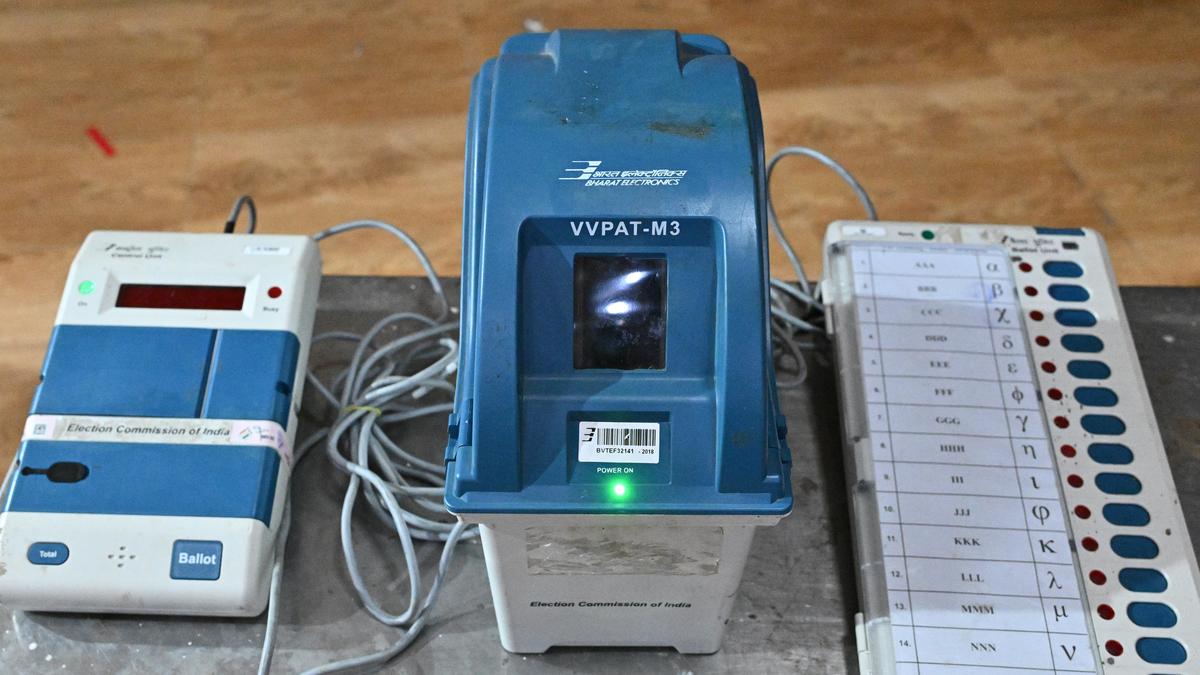
The process involved three main types of equipment: the Balloting Unit (BU), the Control Unit (CU), and the Voter Verifiable Paper Audit Trail (VVPAT). In most districts, the number of machines prepared is always higher than the actual number of polling booths. For example, if there are 1,000 polling stations, the authorities might prepare 1,200 sets of machines. This extra 20% serves as a backup or "buffer" in case a machine fails on election day. All machines used in this round had already passed the first level of checking, where engineers verified that every button and light worked correctly.
Background and Context
In a large democracy, keeping elections fair is a massive task. Electronic Voting Machines were introduced to make counting faster and to stop old problems like ballot box snatching. However, as technology changed, some people raised concerns about whether machines could be fixed in advance. To answer these concerns, the Election Commission created a multi-stage randomization process. The first stage sends machines to a large area, and the second stage sends them to a specific room. This two-step system ensures that no official or politician can influence which machine goes to which group of voters.
Public or Industry Reaction
Political party representatives who attended the event expressed satisfaction with the transparency of the software. Most parties agree that seeing the randomization happen live on a screen helps reduce doubts. Election observers, who are independent officials sent to watch the process, also signed off on the results. The general public usually views these steps as a sign that the government is taking security seriously. While there are always debates about technology, the open nature of this randomization helps calm fears of unfair play.
What This Means Going Forward
Now that the machines are assigned to their booths, the next step is "commissioning." This is when the names and symbols of the candidates are actually loaded into the machines. After commissioning, the machines will be sealed in the presence of party agents. They will then be moved to highly secure "strong rooms." These rooms are guarded by armed police and monitored by cameras 24 hours a day. On the morning of the election, the machines will be moved from the strong rooms to the polling stations under heavy escort.
Final Take
The completion of the second randomization is a victory for democratic transparency. It proves that the system relies on math and random chance rather than human interference. By involving political parties at every step, the election office ensures that the foundation of the vote is solid. As the machines move toward their final locations, the focus now shifts to voter turnout and the peaceful conduct of the election itself.
Frequently Asked Questions
What is the difference between the first and second randomization?
The first randomization assigns machines to a general assembly constituency. The second randomization assigns those specific machines to a particular polling booth or station within that constituency.
Who watches the randomization process?
The process is watched by the District Election Officer, independent election observers, and representatives from all registered political parties to ensure fairness.
What happens if a machine stops working on election day?
There is a reserve of extra machines, often called the buffer stock. If a machine fails, it is replaced by one of these pre-checked reserve machines so that voting can continue without long delays.



