Summary
The Supreme Court of India has turned down requests from several people in West Bengal who wanted their names put back on the voter list immediately. Many of these people were actually assigned to work as election staff but found they could not vote because their names were missing from the official rolls. The court ruled that these individuals must take their cases to special legal groups called appellate tribunals instead of coming directly to the highest court. This decision means that those whose appeals are still being processed will not be allowed to cast their ballots in the current elections.
Main Impact
This ruling has a direct effect on dozens of people who were supposed to help manage the election process. By sending these cases to tribunals, the Supreme Court is emphasizing that there is a specific legal path for voter disputes that must be followed. The biggest impact is that these citizens will likely miss their chance to vote in the ongoing West Bengal Assembly elections. Even though they have official documents showing they were hired to work during the polls, the lack of their names on the voter list remains a legal barrier that cannot be fixed overnight.
Key Details
What Happened
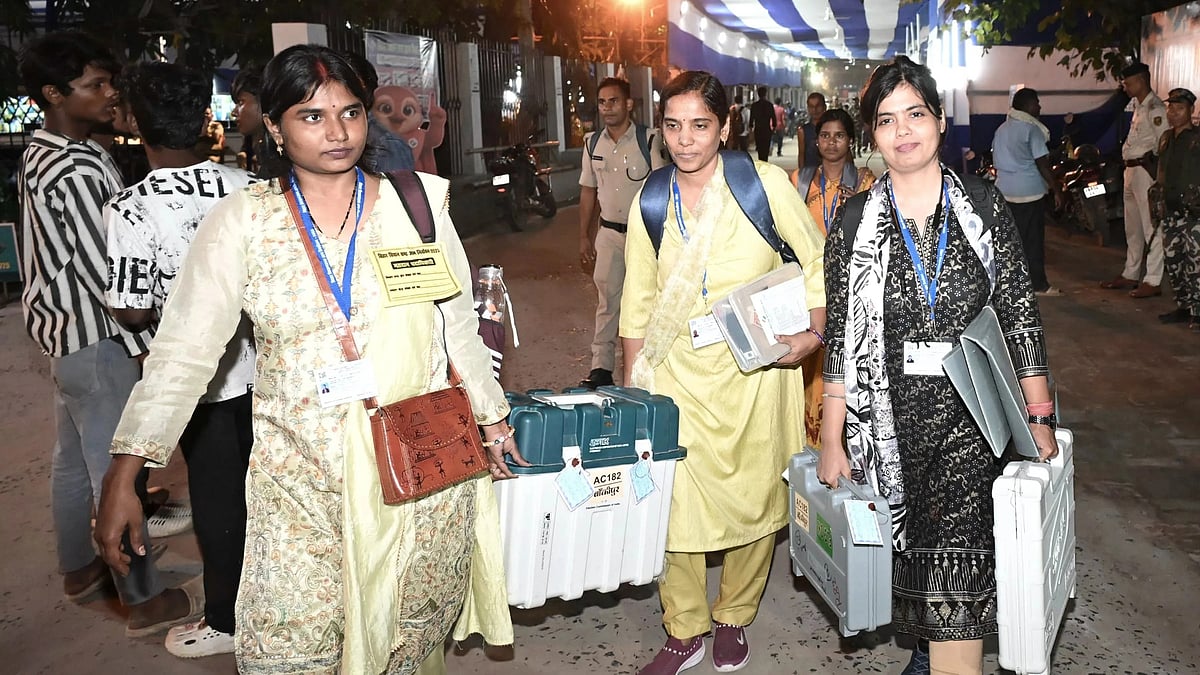
A group of more than 70 people from West Bengal approached the Supreme Court because they were unhappy with the "Special Intensive Revision" of the voter list. This revision is a process where officials check and update the names of everyone allowed to vote. During this process, many names were deleted. Among those complaining were 65 people who were given official duties to help run the election. They argued it was unfair and confusing that the government recognized them as workers for the election but did not recognize them as voters.
Important Numbers and Facts
The legal case was heard by a bench of three judges: Chief Justice Surya Kant, Justice Joymalya Bagchi, and Justice Vipul M. Pancholi. The lawyers for the petitioners pointed out that the workers' Voter ID numbers (known as EPIC numbers) were written on their official work orders. Despite this, those same numbers were removed from the voter rolls. The petitioners also claimed they were never given a "show-cause notice," which is a formal letter explaining why their names were being removed and giving them a chance to defend their right to stay on the list.
To handle the high number of complaints like this, the Chief Justice of the Calcutta High Court has set up 19 special tribunals. these are led by former judges who have the experience to look at each case closely. The first round of voting in the state took place on April 23, and the next major round is set for April 29. The final results for the entire election are expected to be announced on May 4.
Background and Context
Voter lists are the foundation of any election. Every few years, the Election Commission performs a "revision" to remove the names of people who have moved away or passed away and to add new young voters. In West Bengal, this recent revision was very thorough, which led to many names being struck off. While the goal is to have a clean and honest list, it can sometimes lead to mistakes where eligible voters are accidentally removed.
When a person’s name is removed, they have the right to appeal. However, the legal system usually requires people to go through lower courts or special boards before reaching the Supreme Court. In this situation, the special boards are the 19 tribunals. The Supreme Court had already stated on April 13 that simply having a pending appeal does not give someone the right to vote. Only those who win their appeal and get their names added to a "supplementary list" by the Election Commission are allowed to participate in the polling.
Public or Industry Reaction
The reaction from the petitioners was one of disappointment. Their legal team argued that the deletions were "arbitrary," meaning they seemed to happen without a clear or fair reason. They were hoping for an emergency order that would let them vote while the judges looked at their cases. However, the Supreme Court stood firm on the rules. The court’s view is that the tribunals are the correct place to look at the specific facts of each person's situation. The judges believe that jumping over the tribunals would disrupt the organized legal process already in place.
What This Means Going Forward
For the people involved, the next step is to wait for the 19 tribunals to make their decisions. If a tribunal finds that a name was removed by mistake, they can order the Election Commission to fix it. However, for the current election cycle, time is running out. With the next phase of voting only days away, it is unlikely that many of these cases will be resolved in time for the petitioners to vote. This situation highlights the need for voters to check their status on the rolls long before election day begins. It also puts pressure on the Election Commission to ensure that their revision processes are more transparent to avoid such legal battles in the future.
Final Take
The Supreme Court's decision prioritizes the established legal system over individual emergency requests. While it is frustrating for election staff to be left off the voter list, the court has made it clear that special tribunals are the only way to resolve these disputes. This case serves as a reminder of how complex election laws can be and the importance of following every step of the legal process to protect the right to vote.
Frequently Asked Questions
Why were the names removed from the voter list?
The names were removed during a "Special Intensive Revision," which is a process used to update the list of eligible voters. The petitioners claim their names were removed without proper notice or a fair reason.
Can the affected people vote in the next phase of the election?
Only if a tribunal rules in their favor and the Election Commission adds them to a supplementary voter list before the voting starts. If their appeal is still pending, they are not allowed to vote.
What is a tribunal in this context?
A tribunal is a special legal body set up to handle specific types of cases. In this case, 19 tribunals were created in West Bengal specifically to hear complaints about the voter list and decide if names should be put back on.