
Summary
A new federal proposal called the SAVE Act aims to change how Americans register to vote by requiring proof of U.S. citizenship. While supporters say the bill protects election integrity, critics warn it could prevent millions of eligible citizens from casting ballots. Recent experiences in states like New Hampshire show that even lifelong citizens can struggle to provide the specific documents required under these types of laws. This effort follows a similar attempt in Kansas years ago that was eventually stopped by the courts after tens of thousands of voters were blocked.
Main Impact
The biggest change under the SAVE Act is the requirement for "documentary proof of citizenship" to register for federal elections. Currently, it is already illegal for non-citizens to vote in federal elections, and such cases are extremely rare. However, this bill would move the country toward a "show your papers" system. This shift could create a major barrier for people who do not have easy access to birth certificates or passports, potentially changing the outcome of future elections by limiting who can participate.
Key Details
What Happened
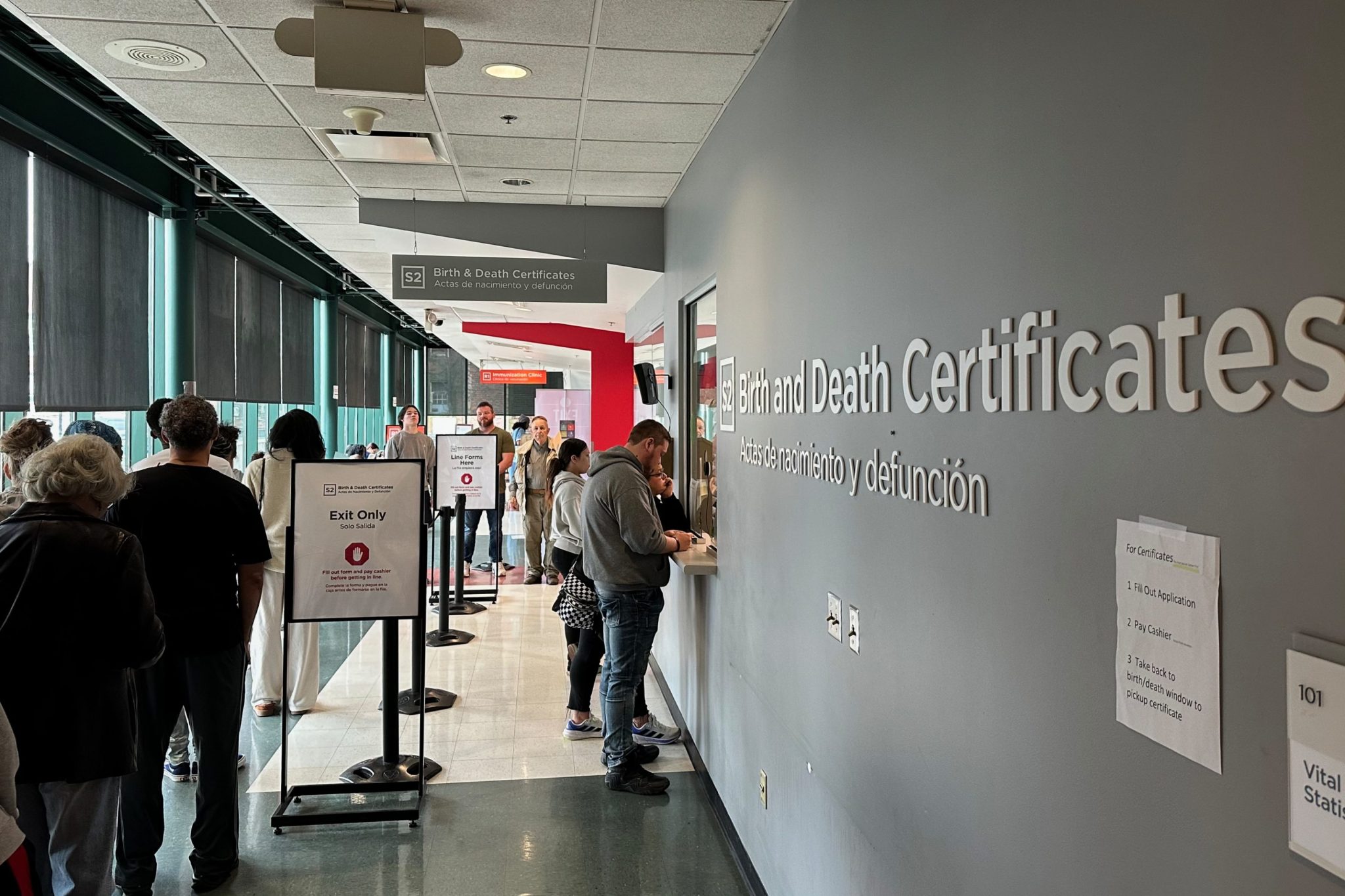
The Safeguard American Voter Eligibility (SAVE) Act recently passed the U.S. House of Representatives. It is now moving to the U.S. Senate for debate. The bill requires anyone registering to vote to show a specific document, such as a passport or a certified birth certificate. In New Hampshire, where a similar state law was recently tested, voters like Joshua Bogdan found themselves in a race against time. Despite being a lifelong citizen, Bogdan was told his driver’s license was no longer enough to register at his new address. He had to rush to find a birth certificate he hadn't used in years just to exercise his right to vote.
Important Numbers and Facts
The scale of this change is significant. Research from the University of Maryland suggests that about 21.3 million eligible American voters do not have easy access to the documents required by the SAVE Act. This includes 10% of Democrats, 7% of Republicans, and 14% of independent voters. Additionally, obtaining these documents is expensive. A new passport costs at least $165, and an expedited application can cost over $250. In some states, like New York, getting a certified copy of a birth certificate can take up to four months due to government backlogs.
Background and Context
This is not the first time a proof-of-citizenship law has been tried. About ten years ago, Kansas implemented a similar rule. That law was eventually struck down by the courts because it prevented more than 30,000 eligible citizens from registering to vote. The courts found that the law did more to block legal voters than it did to stop illegal voting. Most states currently use a system where voters sign a statement under penalty of perjury confirming they are citizens, which has been the standard for decades.
Public or Industry Reaction
Voting rights groups are raising alarms about the bill. Rebekah Caruthers, leader of the Fair Elections Center, stated that the law could deny millions of Americans their fundamental freedom to vote. She noted that married women, people of color, and those living in rural areas would be hit the hardest. On the other side, Republican leaders and former President Donald Trump argue that the bill is a common-sense measure to ensure that only citizens participate in American elections. They believe the current system is not strict enough to prevent potential fraud.
What This Means Going Forward
If the SAVE Act passes the Senate and becomes law, it will take effect immediately. This means there would be no transition period for voters to prepare before the next major elections. Local election offices would have to process millions of new documents without any extra federal funding. For many voters, especially young people or those who have recently moved, the sudden need for a passport or birth certificate could mean missing registration deadlines. The legal battle over this bill is expected to be intense, as civil rights groups will likely challenge it in court if it moves forward.
Final Take
The debate over the SAVE Act highlights a deep divide in how the U.S. manages its elections. While the goal of securing the vote is shared by all, the methods used can have unintended consequences. Requiring specific, expensive documents may protect the system from a rare problem, but it also risks silencing the voices of millions of legal, eligible citizens who simply do not have their papers ready at a moment's notice.
Frequently Asked Questions
Is it currently legal for non-citizens to vote in federal elections?
No. Federal law already prohibits non-citizens from voting in elections for President, the Senate, or the House of Representatives. It is also illegal under state laws across the country.
Why is a driver's license not enough under the SAVE Act?
Most driver's licenses do not explicitly state whether the holder is a U.S. citizen. Only a few states offer "enhanced" licenses that prove citizenship. Under the SAVE Act, a standard license would not be accepted as proof on its own.
How does this law affect married women?
Many women change their last names when they get married. If their birth certificate has their maiden name and their current ID has their married name, they may need to provide extra documents, like a marriage license, to prove their identity and citizenship status.



