
Summary
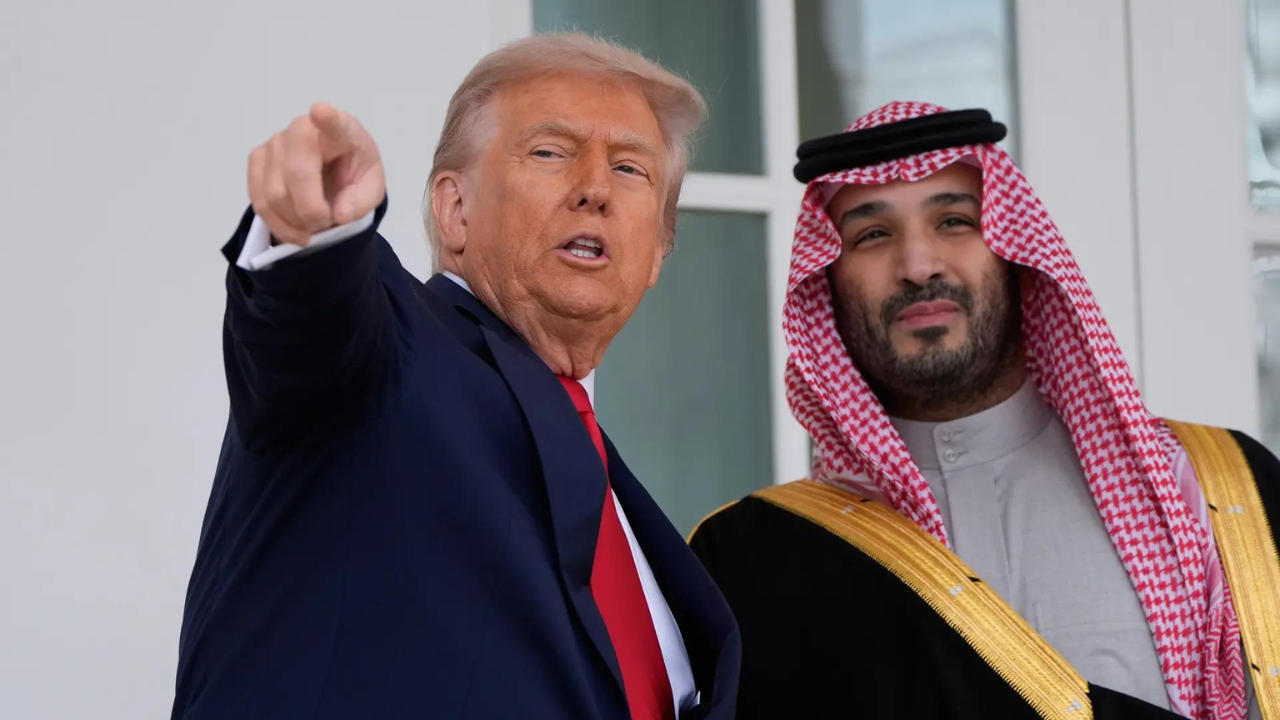
Recent reports suggest that Saudi Crown Prince Mohammed bin Salman is pushing United States President Donald Trump to increase military pressure on Iran. The Crown Prince reportedly believes that a direct confrontation is necessary to change the government in Tehran and ensure the safety of Gulf nations. While these private discussions are making headlines, the Saudi government officially states that it prefers peace and is only focused on defending its own borders from attacks.
Main Impact
The main impact of this development is a potential shift in how the United States manages its power in the Middle East. If the US decides to follow the advice of the Saudi leadership, it could lead to a significant military escalation. This would not only affect the two countries involved but could also cause global oil prices to rise and create instability in international markets. A conflict of this size would change the political map of the region for many years to come.
Key Details
What Happened
According to insiders and recent reports, Saudi Crown Prince Mohammed bin Salman, often called MBS, has been in close contact with President Trump regarding the threat posed by Iran. The reports claim that MBS sees the current Iranian government as a permanent danger to Saudi Arabia and its neighbors. He is said to be encouraging the US to use its military strength to remove this threat once and for all. This move is seen as a way to "reshape" the Middle East into a region that is more stable and friendly to Saudi interests.
Important Numbers and Facts
The relationship between these leaders is built on years of cooperation. Saudi Arabia is one of the largest buyers of US military equipment, spending billions of dollars on planes, tanks, and defense systems. On the other side, Iran has a large military and controls key water routes where much of the world's oil travels. Any military action would involve these high-value assets and could put millions of lives at risk. Currently, Riyadh officially denies that it is asking for war, pointing instead to its desire for a "peaceful resolution" to the ongoing tensions.
Background and Context
To understand why this is happening, it is important to look at the long history between Saudi Arabia and Iran. These two countries are the biggest powers in the Middle East, but they follow different versions of Islam and have very different ideas about how the region should be run. For a long time, they have fought "proxy wars." This means they do not fight each other directly, but they support opposite sides in conflicts in countries like Yemen, Syria, and Iraq.
Saudi Arabia feels that Iran uses these smaller conflicts to surround and weaken them. In recent years, Saudi oil fields and airports have been hit by drones and missiles. Saudi leaders blame Iran for these attacks, though Iran often denies involvement. Because of this, the Saudi leadership feels that as long as the current government stays in power in Iran, Saudi Arabia will never be truly safe.
Public or Industry Reaction
The reaction to these reports has been mixed. Some military experts in the United States believe that being tough on Iran is the only way to stop them from building nuclear weapons or attacking neighbors. They argue that a strong show of force will prevent a bigger war later. However, many diplomats and world leaders are very worried. They fear that even a small military strike could turn into a massive war that the US cannot easily win or leave.
In the business world, oil companies are watching the situation closely. The Middle East produces a huge portion of the world's energy. If a war starts, the cost of gas and electricity could go up everywhere. Human rights groups are also concerned about the civilians living in these areas who would suffer the most if fighting breaks out.
What This Means Going Forward
Going forward, the world will be watching President Trump's next moves. He has often said he wants to avoid "endless wars" in the Middle East, but he has also been very critical of Iran. If he listens to the Saudi Crown Prince, we might see more US ships and planes moving into the region. We might also see even stricter rules on trade with Iran to hurt their economy.
The next few months will be a test of diplomacy. If the US and Saudi Arabia can find a way to talk to Iran, a war might be avoided. If not, the risk of a military mistake leading to a full-scale battle remains very high. The Saudi government will likely continue to balance its private requests for help with its public calls for peace to avoid looking like the aggressor.
Final Take
The situation between Saudi Arabia, the US, and Iran is a complicated game of power. While the Crown Prince may see a military solution as the best way to protect his country, the risks are incredibly high for everyone involved. The world is waiting to see if the path chosen will be one of careful talk or dangerous action. True stability in the Middle East will require more than just military force; it will require a plan that keeps the entire region safe without starting a new war.
Frequently Asked Questions
Why does Saudi Arabia want the US to act against Iran?
Saudi Arabia views Iran as a major threat to its national security and believes that the Iranian government supports groups that attack Saudi territory. They feel that only the US has the power to stop this threat effectively.
Does Saudi Arabia officially want a war?
No, the Saudi government officially denies pushing for war. They state that they prefer a peaceful solution and are only interested in defending themselves from Iranian-backed attacks.
How would a conflict affect the rest of the world?
A conflict could lead to much higher oil prices, which would make transportation and goods more expensive globally. It could also lead to a humanitarian crisis and long-term instability in the Middle East.

