
Summary
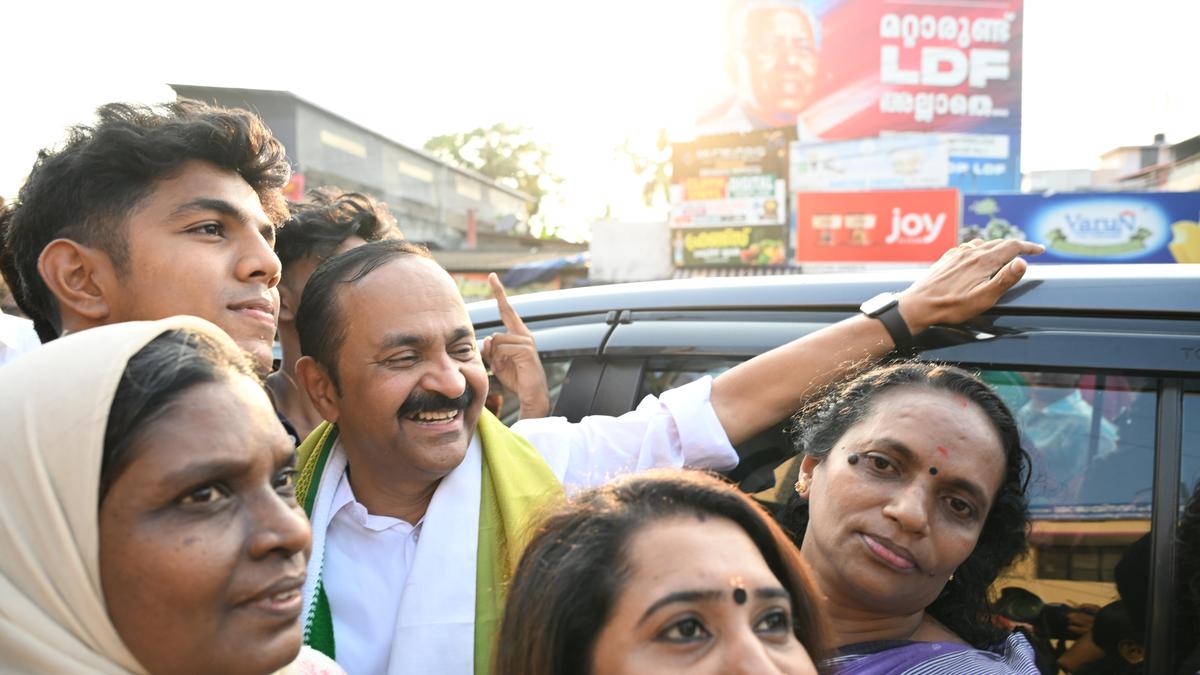
V.D. Satheesan, the Leader of the Opposition in Kerala, has launched a sharp verbal attack against Chief Minister Pinarayi Vijayan. Satheesan accused the CPI(M) leader of practicing a double standard by trying to please both majority and minority religious groups at the same time. He specifically pointed out the Chief Minister's changing stance toward the organization Jamaat-e-Islami, claiming that the government’s position shifts based on political needs. This exchange highlights the growing tension between the ruling party and the opposition over how religious and social groups influence state politics.
Main Impact
The primary impact of these statements is a heated debate over political integrity in Kerala. By accusing the Chief Minister of "appeasement," Satheesan is questioning the secular credentials of the CPI(M). This move is designed to paint the ruling party as opportunistic, suggesting they will partner with any group to stay in power. For the general public, this back-and-forth creates a sense of confusion regarding which political alliances are genuine and which are simply for winning votes. It also forces religious and social organizations to defend their roles in the state's democratic process.
Key Details
What Happened
The conflict began when V.D. Satheesan addressed the media to respond to recent comments made by the Chief Minister. Satheesan claimed that Pinarayi Vijayan has a history of inconsistent relationships with religious organizations. He noted that there was a time when the Chief Minister and his party were open to working with Jamaat-e-Islami. However, Satheesan argues that the CM has now changed his tune, claiming he has no connection with the group. The opposition leader called this a clear example of political convenience, where the ruling party uses groups when they are helpful and discards them when they become a political liability.
Important Numbers and Facts
While the specific debate focuses on recent speeches, the political context involves the long-standing rivalry between the United Democratic Front (UDF) and the Left Democratic Front (LDF). Satheesan pointed out that the CPI(M) has often accused the Congress-led UDF of having ties with religious groups, but he argues the ruling party is doing the exact same thing. The accusation of "majority and minority appeasement" suggests that the CPI(M) is trying to secure the 54% majority vote while also keeping various minority blocks happy. This strategy, according to the opposition, is a dangerous game that could hurt the social fabric of the state.
Background and Context
In Kerala, politics is often a delicate balance between different communities. The state has a diverse population with significant Hindu, Muslim, and Christian groups. Traditionally, the CPI(M) has presented itself as a secular party that stays away from religious influence. However, the opposition often claims that behind the scenes, the party makes deals with community leaders to win elections. Jamaat-e-Islami is a particularly sensitive topic because it is a well-organized group with specific social and political goals. When a major political leader like the Chief Minister is accused of flip-flopping on his relationship with such a group, it becomes a major news story because it touches on the core values of the state's political system.
Public or Industry Reaction
The reaction to Satheesan’s comments has been divided along party lines. Supporters of the UDF have praised the Leader of the Opposition for "exposing" what they call the hypocrisy of the Chief Minister. They believe it is important to hold the government accountable for its shifting alliances. On the other hand, members of the CPI(M) have dismissed the claims as baseless. They argue that the Chief Minister has always maintained a clear distance from communal forces and that the opposition is simply trying to create a distraction. Social media has also been active with users debating whether any political party in the state can truly claim to be free from religious influence.
What This Means Going Forward
Looking ahead, this dispute is likely to intensify as the state moves closer to future election cycles. The accusation of appeasement is a powerful tool because it appeals to voters who feel that their specific community is being ignored or that another group is getting special treatment. The Chief Minister will likely need to provide a more detailed explanation of his party's stance to prevent these accusations from sticking. For the opposition, this is a chance to build a narrative that the current government is not as principled as it claims to be. We can expect more debates in the state assembly and in public forums regarding the influence of religious organizations on government policy.
Final Take
The clash between V.D. Satheesan and Pinarayi Vijayan is more than just a personal argument; it is a battle over the political identity of Kerala. As the opposition pushes the narrative of inconsistent leadership, the ruling party must work harder to prove its commitment to secularism. This situation serves as a reminder that in a diverse society, the relationship between faith and the state is always under a microscope. How the government handles these accusations will determine how much trust the voters place in them during the next trip to the polls.
Frequently Asked Questions
What is V.D. Satheesan accusing the Chief Minister of?
He is accusing the Chief Minister of practicing "appeasement politics" by trying to please both majority and minority religious groups for political gain, specifically citing a changing stance on Jamaat-e-Islami.
Why is Jamaat-e-Islami mentioned in this news?
The group is mentioned because Satheesan claims the Chief Minister previously welcomed them but now denies any connection, using this as an example of the CM's inconsistent political alliances.
What does "appeasement" mean in this context?
In this political context, appeasement refers to the act of making concessions or showing special favor to specific religious or social groups in order to win their support or votes.



