
Summary
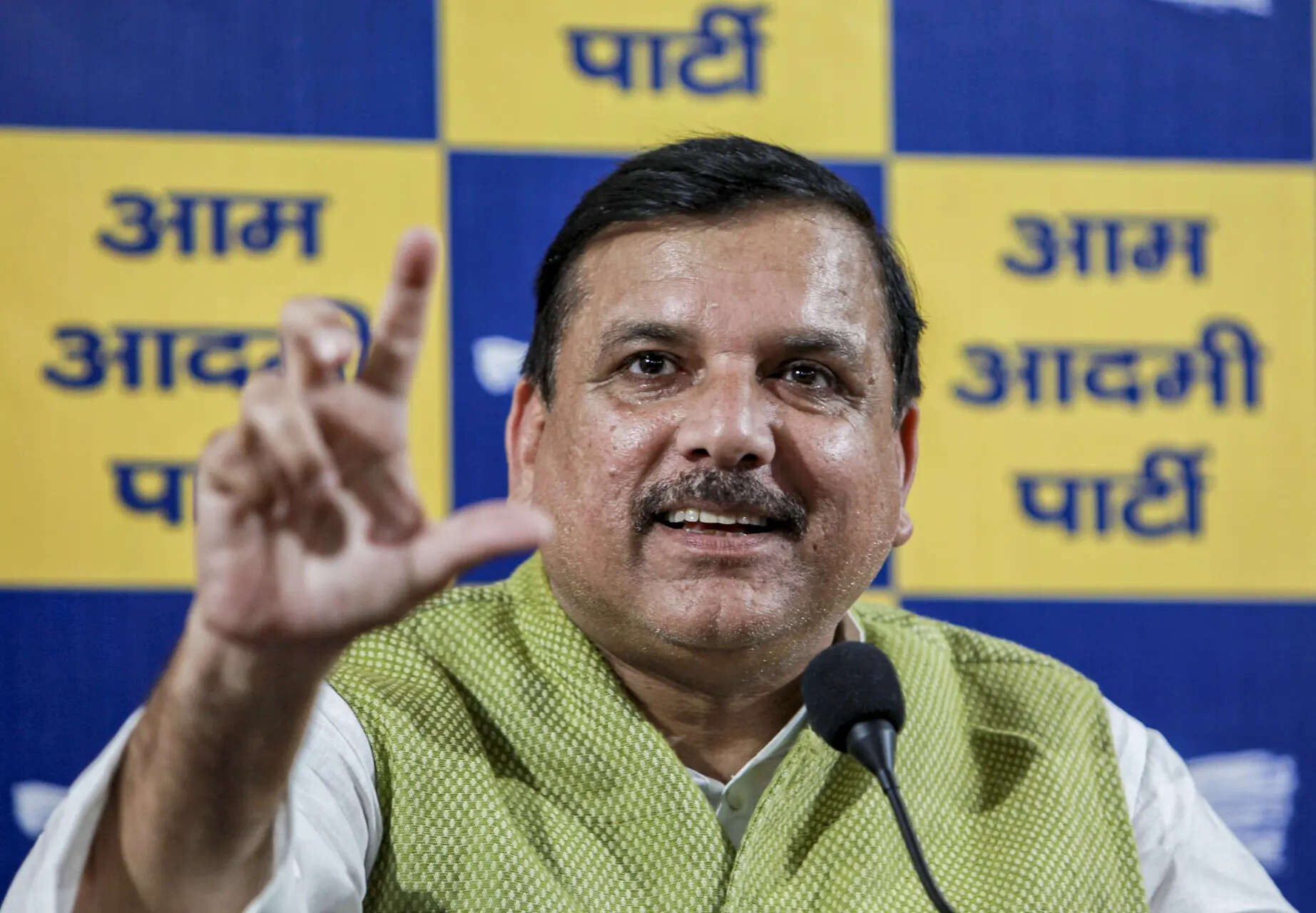
Sanjay Singh, a senior leader of the Aam Aadmi Party (AAP), has publicly criticized the recent departure of several party members. He labeled their move to join other political groups as illegal and a violation of established laws. This statement comes as the party faces internal shifts and pressure from rival political organizations. Singh argues that these members have ignored the rules that govern how elected officials can change parties while holding office.
Main Impact
The primary impact of this development is the potential for a long legal battle in the courts. If the defectors are found to have broken the law, they could face disqualification from their current positions. This would mean they lose their seats in the legislature, leading to by-elections and a change in the balance of power. For the Aam Aadmi Party, this is a fight to keep its members together and maintain its strength in the government. For the public, it raises questions about the stability of the representatives they voted for.
Key Details
What Happened
In recent days, a group of politicians who were elected under the AAP banner decided to leave the party. They have expressed interest in joining or supporting rival political groups. Sanjay Singh, speaking on behalf of AAP, stated that these members did not follow the proper legal channels to make such a move. Under Indian law, an elected official cannot simply switch parties without facing specific consequences, unless a large enough group leaves at the same time. Singh claims that the current move does not meet these legal requirements and is therefore invalid.
Important Numbers and Facts
The situation centers on the Tenth Schedule of the Indian Constitution, often called the Anti-Defection Law. This law was created to prevent "floor crossing," where politicians switch parties for personal gain or power. To legally split from a party without losing their seats, at least two-thirds of the elected members of that party must agree to the move. In this specific case, AAP leaders argue that the number of people leaving is far below this two-thirds mark. This makes the move a direct violation of the rules meant to protect the integrity of the voting process.
Background and Context
Political defections have been a common issue in Indian politics for many decades. In the past, politicians would often change sides to help form new governments or to get better positions for themselves. To stop this, the government introduced the Anti-Defection Law in 1985. The goal was to make sure that if a person is elected as part of a specific party, they stay with that party for their full term. If they want to leave, they must resign and run for election again, or a very large portion of the party must leave with them.
The Aam Aadmi Party has been under significant pressure lately. With several of its top leaders facing legal challenges and investigations, rival parties have been trying to attract its members. Sanjay Singh’s strong words are a way to warn other members that leaving the party will not be easy or legal. It is also a message to the public that the party intends to fight to keep its mandate alive.
Public or Industry Reaction
The reaction to Sanjay Singh’s statement has been mixed. Supporters of the Aam Aadmi Party believe that the defectors are betraying the people who voted for them. They see the move as a sign of greed or fear. On the other hand, rival parties claim that members are leaving because they are unhappy with how AAP is being run. They argue that politicians should have the freedom to choose which group they want to work with if they feel their current party is no longer moving in the right direction.
Legal experts are also weighing in on the situation. Many agree that the two-thirds rule is very strict and hard to meet. If the case goes to the Speaker of the House or the courts, the defectors will have to prove they had enough support to make their move legal. If they cannot prove this, their political careers could be at risk.
What This Means Going Forward
Moving forward, the focus will be on the official decision from the legislative authorities. The Speaker of the House has the power to decide if a member should be disqualified for defecting. This process can take time, and it often involves many hearings. If the members are disqualified, it will trigger new elections in their districts. This could lead to more political tension as parties spend money and time campaigning once again.
This situation also serves as a test for the Anti-Defection Law itself. Critics often say the law gives too much power to party leaders and prevents individual members from voting according to their own beliefs. However, supporters say the law is the only thing stopping total chaos in the government. The outcome of this specific dispute will likely set a standard for how similar cases are handled in the future.
Final Take
The claims made by Sanjay Singh highlight the ongoing struggle for political loyalty and legal order. While politicians may feel they have reasons to change sides, the law is designed to ensure that the will of the voters is respected. If members can leave a party whenever they want, the entire system of party-based elections becomes weak. This legal battle is not just about a few seats in the government; it is about whether the rules of democracy will be followed or ignored for political gain.
Frequently Asked Questions
What is the Anti-Defection Law?
It is a law in India that prevents elected officials from leaving the political party they were elected with. If they leave without meeting certain rules, they can lose their seat in the government.
How many members must leave for a split to be legal?
According to the law, at least two-thirds of the elected members of a party must leave together for the move to be considered a legal split or merger with another party.
What happens if a politician is disqualified?
If a politician is disqualified for defecting, they lose their position immediately. A by-election is then held to choose a new representative for that area.



