
Summary
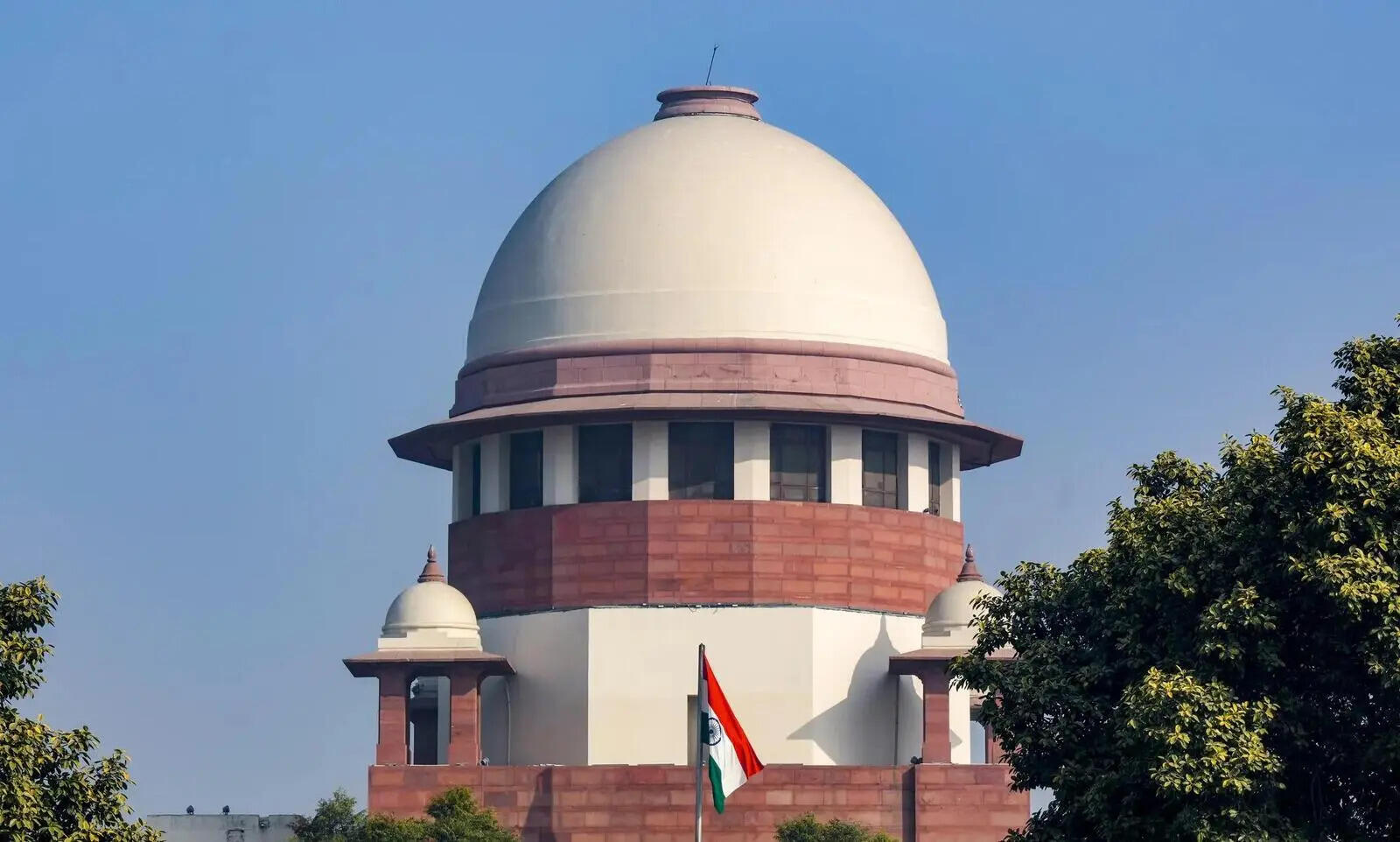
The Supreme Court of India has taken a strong stand against illegal sand mining by suggesting the use of preventive detention laws. The court stated that the "sand mafia" poses a serious threat to the environment and public order. By using these laws, state governments can hold key members of these illegal groups in custody even before a crime is committed. This move is intended to break the power of organized groups that continue to steal natural resources despite existing legal penalties.
Main Impact
The main impact of this direction is a shift in how the government handles environmental crimes. For a long time, illegal sand mining was treated as a minor offense or a simple theft case. Now, it is being looked at as a major threat to the safety and stability of the state. This change allows police and local authorities to lock up repeat offenders for long periods without the immediate need for a trial. It aims to stop the cycle of mining, paying a small fine, and returning to the same illegal work.
Key Details
What Happened
The Supreme Court made these observations while hearing cases related to illegal mining activities. The judges noted that the people involved in the sand trade often have a lot of money and influence. They use this power to bypass regular laws. The court pointed out that the current system of filing police reports and waiting for trials is not working fast enough to save the rivers. Therefore, the court suggested that states should include "sand offenders" under laws that allow for preventive detention.
Important Numbers and Facts
Illegal sand mining is a massive industry in India, worth billions of rupees. It happens across many states, including Tamil Nadu, Uttar Pradesh, and Bihar. In many areas, the water level in rivers has dropped by several meters because too much sand was removed. The court highlighted that sand is a "national asset" and its theft is not just a loss of money, but a loss of life-sustaining resources for future generations. Under preventive detention, a person can be kept in jail for up to a year in some states to prevent them from acting in a way that harms the public.
Background and Context
Sand is a very important material for the construction industry. It is used to make concrete for houses, bridges, and roads. Because there is so much building work happening in India, the demand for sand is very high. However, sand takes thousands of years to form naturally in rivers. When people take too much sand too quickly, it ruins the river. It kills fish, destroys the homes of birds, and makes the water dirty. It also causes the ground to dry up, which means farmers cannot get water for their crops.
The term "sand mafia" is used because these groups often operate like criminal gangs. They use trucks, heavy machinery, and sometimes weapons to carry out their work at night. They have been known to attack government officials and police officers who try to stop them. Because they make so much money, they can often pay for lawyers to get them out of jail quickly. This is why the Supreme Court believes that regular bail and trial systems are not enough to stop them.
Public or Industry Reaction
Environmental groups have praised the Supreme Court's stance. They believe that only fear of long-term jail time will stop the leaders of these mining groups. They argue that the damage to rivers is permanent and requires the toughest possible laws. On the other hand, some legal experts have raised concerns. They worry that preventive detention laws can be misused by the police to arrest people without enough evidence. They say that while the goal is good, the government must be careful not to take away people's basic rights without a fair process.
What This Means Going Forward
In the coming months, many state governments may change their local laws to include sand mining as a ground for detention. This will likely lead to a wave of arrests targeting the heads of mining syndicates. Police departments will need to gather better intelligence to identify the people who fund and organize these operations, rather than just arresting the truck drivers. There will also be more pressure on the courts to review these detention orders to make sure they are being used correctly and fairly.
Final Take
The Supreme Court is sending a clear message that the environment is just as important as public safety. By labeling the sand mafia as a threat to public order, the court has given the government a powerful weapon. The success of this move will depend on how well the states use this power. If used correctly, it could finally give India's rivers a chance to recover from years of abuse. It shows that the law is finally catching up with those who profit from destroying nature.
Frequently Asked Questions
What is preventive detention?
Preventive detention is a law that allows the government to put a person in jail even if they have not committed a specific crime yet. It is used when the authorities believe the person is likely to do something that will harm the public or the safety of the country.
Why is sand mining such a big problem?
Sand mining is a problem because it destroys the natural balance of rivers. It leads to floods, lowers the level of groundwater, and kills river animals. It also involves organized crime groups that use violence to control the trade.
Can anyone be arrested under this new suggestion?
The Supreme Court suggested this for people who are part of the "sand mafia," meaning repeat offenders and leaders of illegal mining groups. It is not meant for small, one-time mistakes but for organized criminal activity that threatens the environment.



