
Summary
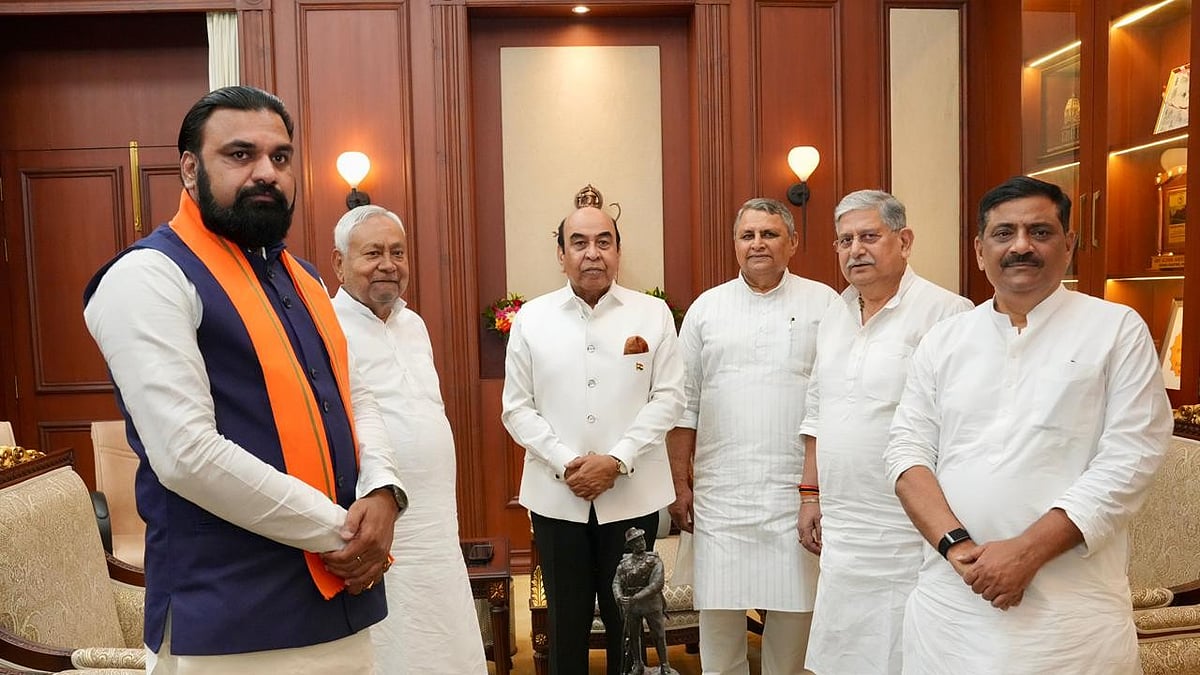
Bihar is entering a new political era as Samrat Chaudhary prepares to become the state’s first Chief Minister from the Bharatiya Janata Party (BJP). This major change follows the resignation of long-time leader Nitish Kumar, whose party had led the state for nearly two decades. Chaudhary, a prominent leader from the OBC community, was formally chosen to lead the government after the BJP emerged as the largest party in the state assembly. His appointment marks a shift in power from the JD(U) to the BJP, signaling a fresh direction for Bihar’s administration.
Main Impact
The appointment of Samrat Chaudhary is a historic moment for Bihar politics. For over twenty years, the BJP acted as a junior partner or a supporting force to Nitish Kumar’s Janata Dal (United). By placing their own leader in the top post, the BJP is now taking full control of the state’s governance. This move is expected to change how the state is run and how political alliances work in eastern India. It also shows the BJP's growing strength among diverse voting groups, particularly the Backward Classes, who hold significant influence in the region.
Key Details
What Happened
The political transition began when Nitish Kumar stepped down from his post on Tuesday. Following his resignation, Governor Syed Ata Hasnain accepted the move, clearing the way for a new government. The BJP held a meeting where senior leaders, including Union Minister Shivraj Singh Chouhan, were present. During this meeting, Samrat Chaudhary was officially elected as the leader of the BJP Legislature Party. His name was put forward by Deputy Chief Minister Vijay Sinha and received strong support from other top state leaders. Chaudhary is scheduled to take his official oath of office this Wednesday.
Important Numbers and Facts
The shift in power is backed by the current numbers in the Bihar Assembly. The BJP now holds 89 seats, making it the single-largest party in the house. In comparison, the JD(U) holds 85 seats. This numerical advantage gave the BJP the leverage to claim the Chief Minister's position. Chaudhary himself is a key figure for the Kushwaha (Koeri) community. This group, along with the Kurmi community, makes up about 7% to 8% of the total population in Bihar. His rise to power is seen as a way for the BJP to secure the loyalty of these important voting blocks.
Background and Context
Samrat Chaudhary comes from a family with deep roots in Bihar’s political history. He is the son of Shakuni Chaudhary, a well-known veteran leader and a founding member of the Samata Party. Interestingly, Nitish Kumar was also a part of that same political group in its early days. Before being named for the top job, Samrat Chaudhary served as the Home Minister of Bihar, a role that gave him significant experience in managing the state’s internal affairs.
One unique aspect of Chaudhary’s background is his early education. Reports indicate that he received his primary schooling at a madrasa in his home district of Munger. This detail has caught public attention because it is uncommon for top BJP leaders to have a madrasa-based educational background. After the news of his appointment reached Munger, local residents held large celebrations to mark the success of a leader from their region.
Public or Industry Reaction
While BJP supporters are celebrating, the appointment has also faced criticism from political opponents. Prashant Kishor, the founder of the Jan Suraj campaign, has raised concerns about Chaudhary’s past. Kishor pointed to legal records involving a case in Tarapur where six people were killed. He claimed there are contradictions regarding Chaudhary’s age in court documents compared to his official election papers from 2020.
Additionally, opponents have mentioned a 1999 legal case in Patna that was investigated by the CBI. Chaudhary has consistently denied these allegations. He has stated in the past that these legal issues were created by political rivals to damage his reputation during the time Lalu Prasad Yadav was in power. Despite these controversies, the BJP leadership has shown full confidence in his ability to lead the state.
What This Means Going Forward
The rise of Samrat Chaudhary suggests that the BJP is moving away from its reliance on older socialist leaders. By promoting a leader from the Kushwaha community, the party is trying to counter the efforts of the Congress party to win over OBC voters. This change also leaves the future of Nitish Kumar’s party, the JD(U), in a state of uncertainty. There has been talk about whether Nitish Kumar’s son, Nishant Kumar, will join the new government, but he has so far denied any plans to take a cabinet position. The next few months will show how Chaudhary handles the challenges of leading a complex state like Bihar while keeping his party's promises.
Final Take
Samrat Chaudhary’s appointment marks the official end of an era dominated by Nitish Kumar and the beginning of a new chapter where the BJP holds the reins. By picking a leader with deep local roots and a strong connection to the OBC community, the BJP is positioning itself for long-term control in Bihar. While legal questions from the past remain a point of debate, the focus has now shifted to how this new leadership will address the state's economic and social needs.
Frequently Asked Questions
Who is the new Chief Minister of Bihar?
Samrat Chaudhary is the new Chief Minister of Bihar. He is the first leader from the BJP to hold this position in the state.
Why did Nitish Kumar resign?
Nitish Kumar resigned as part of a major political shift that allowed the BJP, the largest party in the assembly, to take the lead in the state government.
What is Samrat Chaudhary’s political background?
He is the son of veteran leader Shakuni Chaudhary and previously served as Bihar’s Home Minister. He is a prominent leader representing the Kushwaha community.

