
Summary
Sahidullah Munshi, a retired judge from the Calcutta High Court, recently discovered that his name has been removed from the West Bengal voters' list. The former judge expressed deep shock and sadness over the situation, calling the experience "very humiliating." He has announced his intention to file a formal appeal to have his name put back on the list so he can exercise his right to vote. This incident has raised concerns about how the government manages and updates voter records for its citizens.
Main Impact
The removal of a high-profile individual like a former High Court judge from the electoral roll is a significant event. It highlights potential weaknesses in the administrative process used to verify and update voter information. When a person who has spent their life upholding the law is suddenly unable to vote, it creates a sense of worry among the general public. This situation suggests that clerical errors or oversight in the system could be affecting many other people who may not have the resources or knowledge to fight back.
Key Details
What Happened
The issue came to light when the latest version of the voters' list was released in West Bengal. Sahidullah Munshi, who has lived at the same address for a long time, found that his name was no longer present. Usually, names are removed if a person passes away or moves to a different area. However, the former judge confirmed that he is still a resident of the same locality and has not changed his living situation. He was not given any prior notice or explanation as to why his name was being struck off the list.
Important Numbers and Facts
Sahidullah Munshi served as a judge at the Calcutta High Court, one of the oldest and most respected courts in India. He retired after a long career in the legal field. The process of updating the voters' list, known as the summary revision, happens periodically to ensure the records are correct. In this case, the system failed to recognize a permanent resident who has been a regular voter for decades. The former judge is now preparing to submit a legal appeal to the Election Commission to rectify this mistake before the next voting cycle begins.
Background and Context
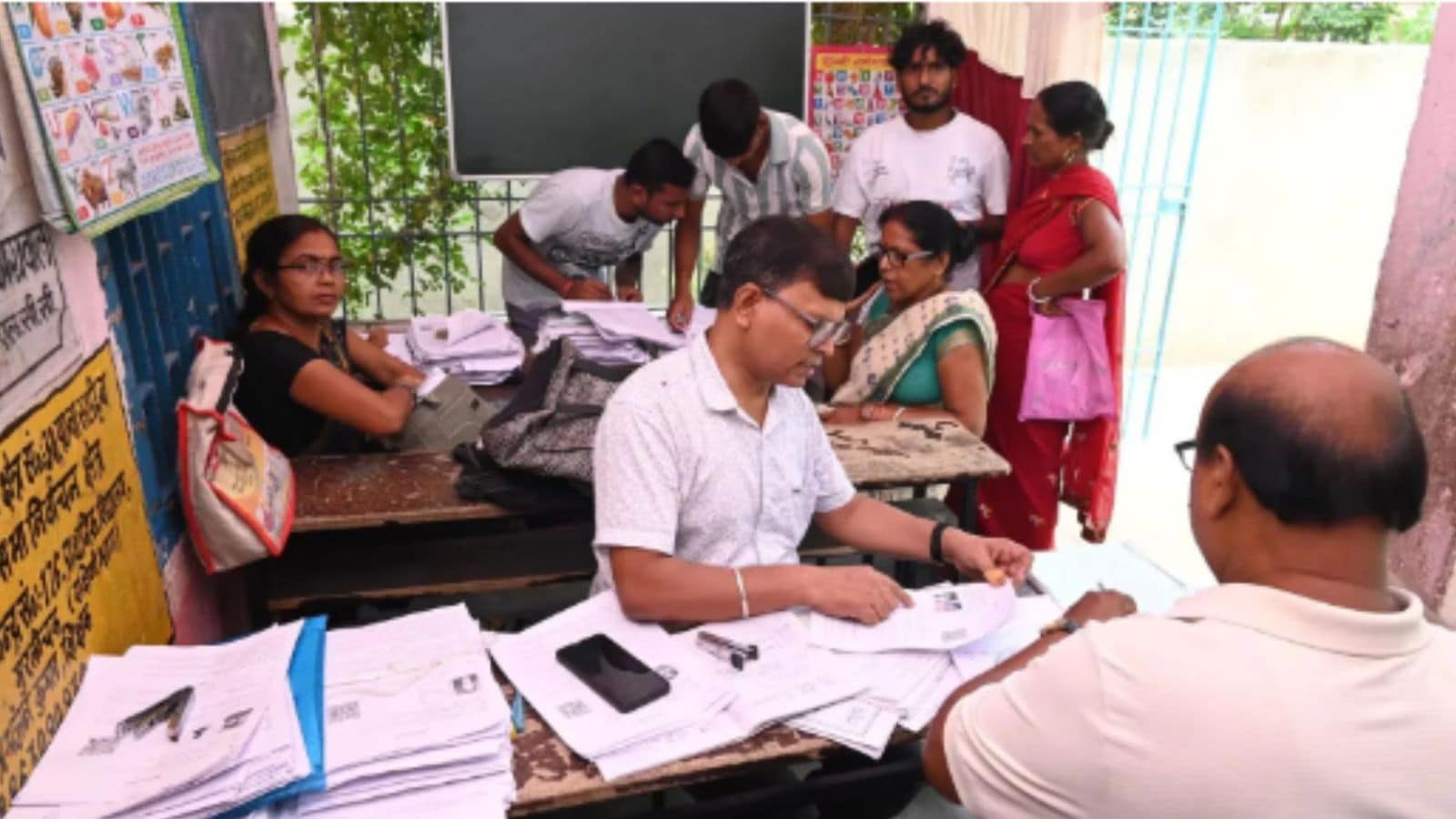
In India, the Election Commission is responsible for maintaining the list of people who are allowed to vote. This list is updated every year through a process where officials check if people have moved, died, or if new voters have turned 18. Sometimes, officials go door-to-door to verify these details. If they cannot find a person at home or if there is a mistake in the paperwork, a name might be removed. While this is meant to keep the list clean and prevent fraud, it can sometimes lead to "wrongful deletion," where eligible voters lose their right to participate in elections.
For a former judge, being removed from this list is more than just a technical error. It is seen as a loss of identity as a citizen. The legal community often views the right to vote as a fundamental part of being a member of a democratic society. When the system fails someone who understands the law so well, it brings the entire verification process into question.
Public or Industry Reaction
The news has caused a stir in both legal and political circles in West Bengal. Many people are surprised that such a mistake could happen to a former member of the judiciary. Supporters of the judge and civil rights activists have pointed out that if a former High Court judge can be removed from the list, then common citizens are even more at risk of losing their voting rights. There is a growing call for the Election Commission to be more careful and to provide better ways for people to check and fix their status without having to go through a long and difficult legal process.
What This Means Going Forward
Sahidullah Munshi will now follow the official steps to appeal the decision. This usually involves filing a specific form with the local electoral registration officer. He will need to provide proof of his identity and residence to show that the deletion was a mistake. Once the appeal is processed, the authorities will have to investigate how the error happened and then restore his name to the list. This case may also lead to a wider review of the voters' list in his area to ensure that other residents have not been wrongly removed as well.
Final Take
The right to vote is a basic part of life in a free country. When errors in the system take that right away, it hurts the trust people have in their government. The case of Sahidullah Munshi serves as a reminder that every citizen should regularly check their status on the voters' list to ensure they are not left out on election day. It also shows that the authorities must work harder to make sure their records are accurate and that no one is treated unfairly by a simple clerical mistake.
Frequently Asked Questions
Why was the judge's name removed from the list?
The exact reason has not been fully explained by officials yet, but it is likely due to a clerical error during the routine update of the voters' list. The judge confirmed he has not moved or changed his details.
What can a person do if their name is missing from the voters' list?
If a name is missing, a person can file an appeal or submit a new application form (often called Form 6 in India) to the local election office to have their name added back to the records.
Is this a common problem in West Bengal?
While the system tries to be accurate, mistakes do happen during large-scale updates. This case is getting more attention because it involves a high-profile former judge, but many regular citizens face similar issues every year.



