
Summary
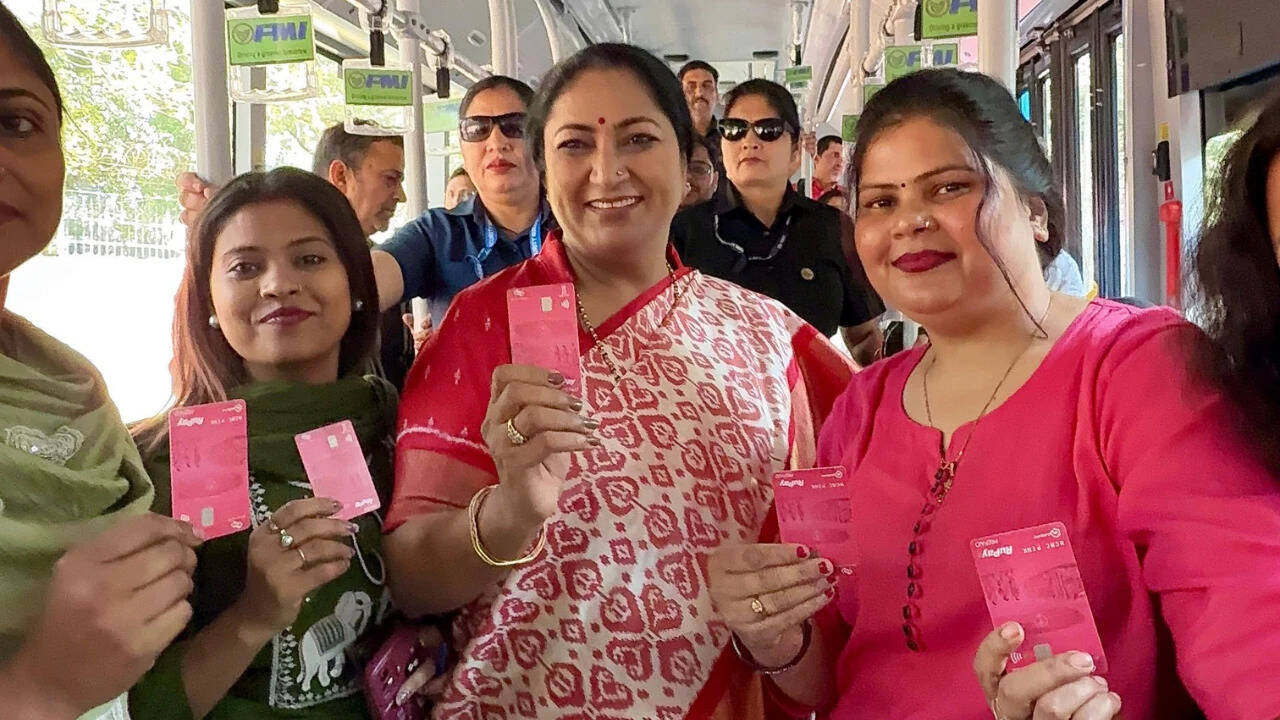
The Chief Minister of Delhi recently took a trip on a public bus to see how the new Saheli Pink Smart Card is working. This new card is designed to help women travel for free across the city using a digital system instead of paper tickets. During the ride, the leader spoke with passengers and staff to ensure the technology is easy to use and reliable. This move is part of a larger effort to modernize public transport and make daily travel more convenient for millions of women in the capital.
Main Impact
The introduction of the Saheli Pink Smart Card marks a big shift in how Delhi manages its public transport system. For years, women have used paper tickets to ride buses for free, but this old method had many downsides. Paper tickets are easy to lose, they create a lot of trash, and they do not provide the government with good data. By switching to a smart card, the city can now track bus usage in real-time. This helps the transport department understand which routes are the most crowded and where more buses are needed.
For the passengers, the impact is about speed and ease. Instead of waiting for a conductor to hand out a paper slip, women can simply tap their card on a machine. This makes boarding faster and reduces the workload for bus conductors. It also gives women a sense of ownership over their travel, as they now carry a durable card that works just like a regular metro card.
Key Details
What Happened
The Chief Minister boarded a Delhi Transport Corporation (DTC) bus during a regular service hour. He did not just sit and watch; he actively interacted with the women on board. He asked them about their experience with the new card and if they faced any problems during the registration process. The CM also spent time with the bus conductors to see if the handheld scanning machines were working without any technical glitches. This hands-on check was meant to show that the government is serious about making the digital transition smooth for everyone.
Important Numbers and Facts
The free bus travel scheme for women was first started in Delhi in October 2019. Since then, hundreds of millions of free trips have been taken. Under the old system, conductors issued "Pink Tickets" which had a face value of ten rupees, though the passengers paid nothing. The new Saheli Pink Smart Card is expected to be distributed to over a million regular commuters in the first phase. The government has installed thousands of electronic ticket machines across the DTC and cluster bus fleets to support this digital change. These machines are linked to a central server that records every "tap" made by a passenger.
Background and Context
Delhi is one of the busiest cities in the world, and public transport is the backbone of its economy. In 2019, the government decided to make bus travel free for women to encourage them to join the workforce and to make the city feel safer for them. While the "Pink Ticket" was a success, it was always meant to be a temporary solution. The word "Saheli" means "friend" in Hindi, and the name was chosen to make the card feel welcoming and supportive for women. The goal is to integrate this card with other forms of transport in the future, creating a unified system for the entire city.
Public or Industry Reaction
Most women passengers have welcomed the move to a smart card. Many noted that paper tickets often got ruined in the rain or lost in their bags. Having a plastic card is seen as a more "dignified" way to travel. However, some older passengers expressed concerns about the registration process, fearing it might be too complicated. In response, the government has set up help desks at major bus stands to assist people in signing up. Transport experts have praised the move, noting that digital data is essential for modernizing any city's transit network. They believe this will lead to better bus frequency and less waiting time at stops.
What This Means Going Forward
The success of the Saheli Pink Smart Card could lead to even bigger changes. The government is looking into a "One Delhi" card system where a single card can be used for the metro, buses, and even auto-rickshaws. This would remove the need for multiple cards and cash payments. In the short term, the focus will stay on ensuring that every woman who uses the bus has access to a card. The government also plans to use the data collected from these cards to improve safety. By knowing which stops are used most by women at night, the city can install better lighting and increase security patrols in those specific areas.
Final Take
The Chief Minister's bus ride shows a commitment to making technology work for ordinary people. By moving from paper to digital cards, Delhi is not just saving trees; it is building a smarter, more efficient way for people to move around. If the system continues to work well, it will serve as a model for other cities in India that want to provide free or subsidized travel to their citizens while keeping their operations modern and data-driven.
Frequently Asked Questions
What is the Saheli Pink Smart Card?
It is a new digital travel card for women in Delhi that allows them to ride public buses for free. it replaces the old paper "Pink Tickets."
Do women still have to pay for bus rides with this card?
No, the rides remain free for women. The card is simply a digital way to record the journey instead of using a paper ticket.
Where can women get the new smart card?
The cards are being distributed at major bus terminals, metro stations, and through special government registration camps set up across the city.



