
Summary
A senior legal figure has raised a significant point regarding the traditions of the Sabarimala temple in Kerala. The judge stated that individuals who do not believe in the deity or the specific faith should not have the right to challenge its long-standing customs in court. This perspective suggests that religious practices should be managed by the community of believers rather than outside activists. The statement has reignited a national conversation about the balance between constitutional law and religious freedom.
Main Impact
The core of this development lies in the definition of who has the "standing" to bring a case to court. Usually, anyone can file a Public Interest Litigation (PIL) in India to protect human rights. However, this judicial view suggests a different path for religious matters. If this logic is followed, it could prevent people who are not part of a religious group from trying to change that group's internal rituals. This would give religious communities more power to protect their traditions from external legal pressure.
This shift could affect many other religious sites across the country. It moves the focus away from general social reform and places it back on the rights of the "devotee." For the Sabarimala temple, which has been at the center of a legal battle for years, this view provides a strong argument for those who want to keep the traditional ban on women of a certain age entering the shrine.
Key Details
What Happened
The discussion centers on the idea that secular courts should be careful when interfering with the "essential practices" of a religion. The judge argued that if a person does not worship the deity, they are not personally harmed by the temple's rules. Therefore, they should not be the ones asking the law to change those rules. The argument is that religion is a matter of personal faith, and only those who share that faith can truly understand the importance of its customs.
Important Numbers and Facts
The Sabarimala case became a major national issue in 2018 when the Supreme Court of India ruled that women of all ages should be allowed to enter. Before that, women between the ages of 10 and 50 were not permitted inside. This age group was restricted because the deity, Lord Ayyappa, is considered a "Naishtika Brahmachari" or an eternal celibate. Following the 2018 ruling, hundreds of review petitions were filed by devotee groups who felt the court had overstepped its boundaries. The current legal debate involves a larger bench of judges who are looking at broader questions of religious freedom under the Indian Constitution.
Background and Context
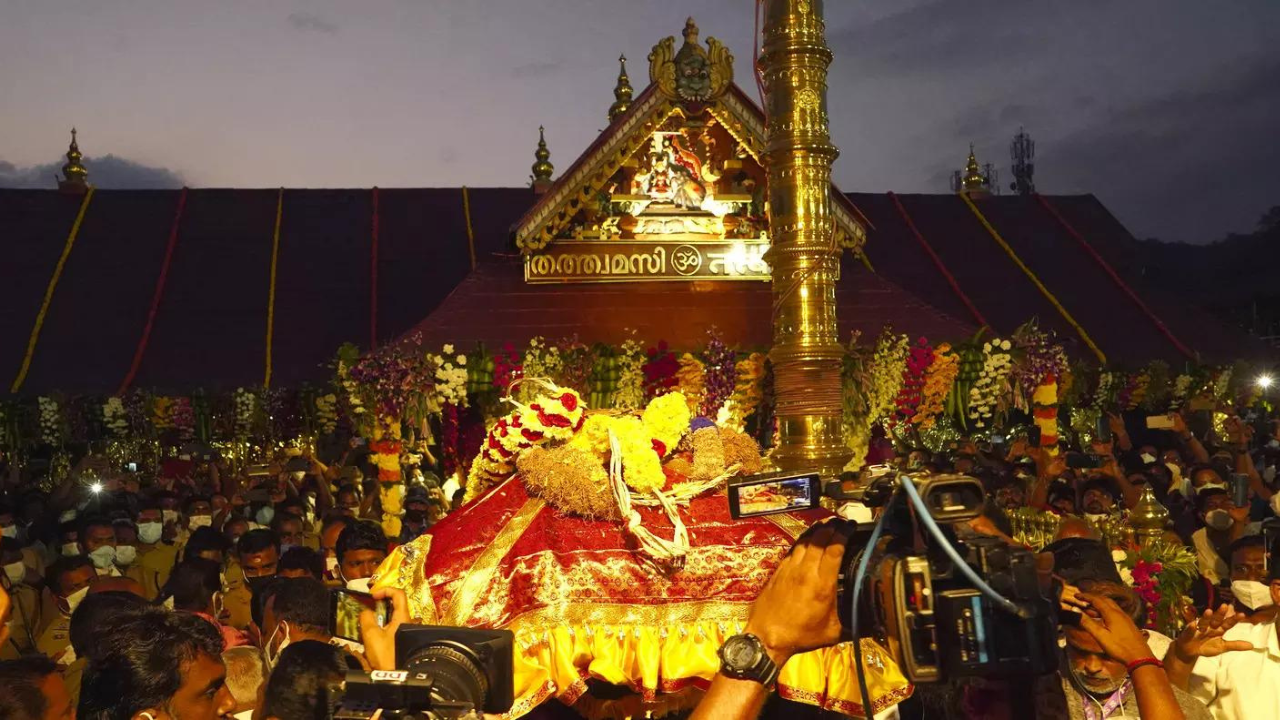
Sabarimala is one of the most visited pilgrimage sites in the world, located in the forests of Kerala. Every year, millions of men undergo a strict 41-day period of fasting and prayer before making the trek to the temple. The traditions of the temple are unique and have been followed for centuries. The legal conflict began when activists argued that the ban on women was a form of gender discrimination, which is illegal under the Constitution.
On the other side, devotees argue that the right to practice religion includes the right to follow specific traditions, even if those traditions seem unusual to outsiders. They believe that the deity has rights too, and the rules of the temple are meant to respect the nature of that deity. This creates a clash between the right to equality and the right to religious freedom.
Public or Industry Reaction
The judge's comments have received a mixed response. Traditionalist groups and temple authorities have welcomed the statement. They feel that for too long, people with no connection to the temple have used the courts to attack their faith. They argue that "rationalists" should not dictate how "believers" conduct their prayers. Many devotees expressed relief, hoping this would lead to a final decision that protects their customs.
However, social activists and some legal experts are worried. They believe that if the court stops listening to outsiders, it might ignore serious cases of discrimination. They argue that if a religious practice violates basic human dignity or equality, the law must step in, regardless of who brings the case to light. They fear this could set a precedent that allows other unfair practices to continue under the cover of "tradition."
What This Means Going Forward
The legal system is now at a crossroads. If the courts decide that only believers can challenge religious customs, it will change how civil rights cases are handled in India. It may lead to a new set of rules for filing petitions related to temples, mosques, and churches. This could reduce the number of legal battles over religious issues, but it might also make it harder to reform practices that some see as outdated or unfair.
The Supreme Court is expected to provide more clarity on this issue soon. The outcome will decide if the "rights of the deity" and the "rights of the community" can outweigh individual rights in certain situations. This will be a landmark moment for Indian law and will likely influence religious freedom cases for decades to come.
Final Take
The debate over Sabarimala is about more than just a temple; it is about how a modern democracy handles ancient faith. By suggesting that non-believers should stay out of religious legal battles, the judge is highlighting a deep-seated belief that faith is a private world with its own rules. Whether the law should respect that world or change it remains the biggest question for the nation's highest courts.
Frequently Asked Questions
Why are some women restricted from entering Sabarimala?
The restriction applies to women between the ages of 10 and 50. This is based on the tradition that the deity, Lord Ayyappa, is a celibate. Devotees believe this custom is necessary to respect the nature of the deity at this specific temple.
What did the judge say about non-believers?
The judge argued that people who do not follow the faith or believe in the deity should not have the legal right to challenge the temple's customs. The idea is that if you are not a part of the religion, the rules do not affect you personally.
Is the 2018 Supreme Court ruling still in effect?
While the 2018 ruling allowed women of all ages to enter, it has been challenged by many review petitions. A larger group of judges is currently reviewing the legal questions raised by those petitions, making the final legal status of the custom a subject of ongoing debate.



