
Summary
The software industry is facing a major shift that experts are calling the "SaaSpocalypse." For a long time, companies that sell software-as-a-service (SaaS) enjoyed high profits and loyal customers who found it too difficult to switch to other products. However, the rise of artificial intelligence is now challenging this business model. New technology is making it easier for competitors to enter the market and changing how businesses pay for the tools they use.
Main Impact
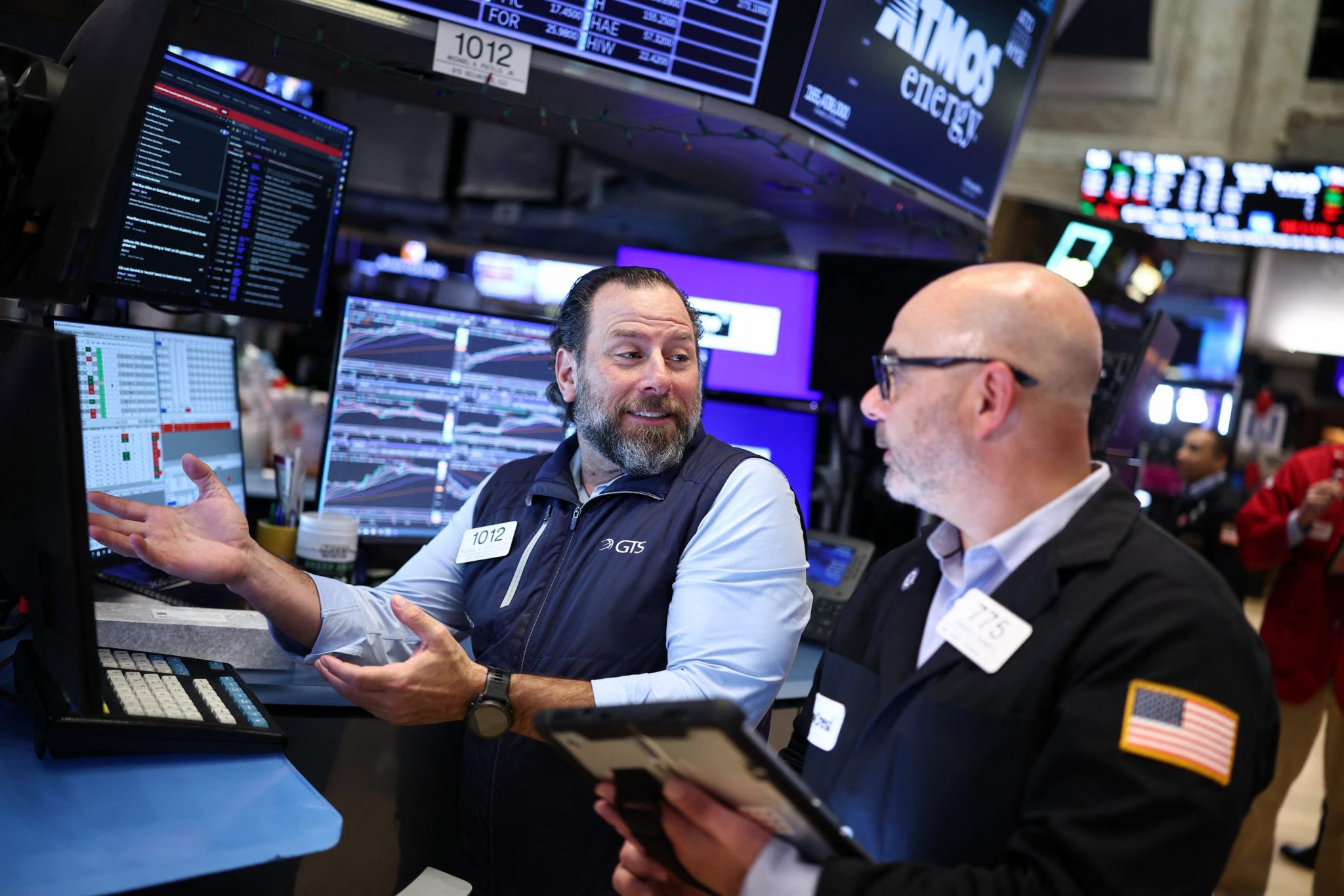
The biggest impact of this change is the sudden drop in value for software companies. In February, a major index of software stocks fell by about 20%. Investors are starting to realize that the old way of making money in software—charging high recurring fees for standard tools—might not work anymore. AI is allowing new players to build software faster and cheaper, which puts pressure on the big companies that have dominated the market for years.
Key Details
What Happened
Business leaders recently met in San Francisco and New York to talk about how AI is changing their industries. They noticed that the "moat" around software companies is disappearing. A moat is a business term for the things that protect a company from its competitors. In the past, software companies were protected because it was very expensive and hard to build enterprise-grade software. Now, AI tools can help engineers write code much faster, which means a small team can build a powerful product that competes with a giant corporation.
Important Numbers and Facts
The S&P software index saw a 20% decline in a single month. This shows that the market is nervous about the future of companies like Salesforce, SAP, and ServiceNow. Another major change is how these companies charge their customers. Instead of paying for each person who uses the software, many businesses want to pay for the actual work the software does. This is known as output-based pricing. For example, a company might pay for every customer service ticket an AI resolves, rather than paying for a monthly license for a human worker.
Background and Context
To understand why this matters, you have to look at how the SaaS model worked. For the last twenty years, software was a "gold mine" for investors. Once a company started using a specific software for their accounting or sales, it was very hard to stop. Moving all that data to a new system was a nightmare. Because of this, software companies could keep their prices high even if their customers weren't completely happy. AI is changing this because it can help move data more easily and create custom tools that fit a business better than a standard, one-size-fits-all program.
Public or Industry Reaction
Many industry experts believe we are at a turning point. While they do not think the software industry will disappear, they do believe it will become much more competitive. Business leaders at the recent roundtables pointed out that "vertical" software—tools made specifically for one industry like healthcare or law—is becoming more valuable than "horizontal" software that tries to serve everyone. Customers are tired of paying for expensive platforms that require them to change how they work. They want tools that adapt to them instead.
What This Means Going Forward
In the coming years, we will likely see software companies struggle to keep their high profit margins. They will have to prove that their tools actually produce results. If a company uses an AI-powered tool to handle its legal work, it will want to pay based on the quality and speed of that work. This shift will be easier in some fields than others. It is easy to measure how many calls an AI handles in a call center, but it is much harder to measure the "output" of a complex software used by a doctor or a high-level manager.
We will also see the lines blur between different types of companies. Software sellers, consultants, and tech providers are all starting to do the same things. Everyone is trying to control the "agents" or AI assistants that will eventually run most business tasks. The companies that win will be the ones that have the best data and the best way to put that data to work in daily tasks.
Final Take
The era of easy money for software companies is coming to an end. While the term "SaaSpocalypse" might sound like an exaggeration, the forces behind it are very real. AI is no longer just a future possibility; it is a tool that is actively changing how software is built, sold, and used. Companies that rely on old ways of locking in customers will need to find new ways to provide value, or they will find themselves replaced by faster, smarter, and cheaper AI-driven alternatives.
Frequently Asked Questions
What is the "SaaSpocalypse"?
It is a term used to describe the potential downfall or major decline of the traditional Software-as-a-Service business model due to the rapid growth of artificial intelligence.
Why are software stocks falling?
Investors are worried that AI will make it easier for new competitors to enter the market and that customers will stop paying high monthly fees for standard software tools.
What is output-based pricing?
This is a way of charging for software based on the results it produces, such as the number of tasks completed, rather than charging a flat fee for every person who uses the program.



