Summary
Cricket experts are raising concerns about Ruturaj Gaikwad’s current batting form and his approach to the game. Former Indian player Wasim Jaffer and former Australian captain Aaron Finch believe the opening batter is struggling to make a meaningful impact. They suggest that his focus on scoring big runs might be hurting his ability to play the fast-paced cricket his team needs. This shift in perspective comes as teams look for more aggression at the start of an innings.
Main Impact
The main issue identified by critics is that Gaikwad is not providing the quick starts required in modern T20 cricket. When an opening batter takes too many balls to settle in, it puts immense pressure on the rest of the team. If that batter also fails to score a very large total at a high speed, the team often ends up with a score that is below par. This "slow-and-steady" approach is becoming less effective as the game evolves toward higher scoring rates.
Key Details
What Happened
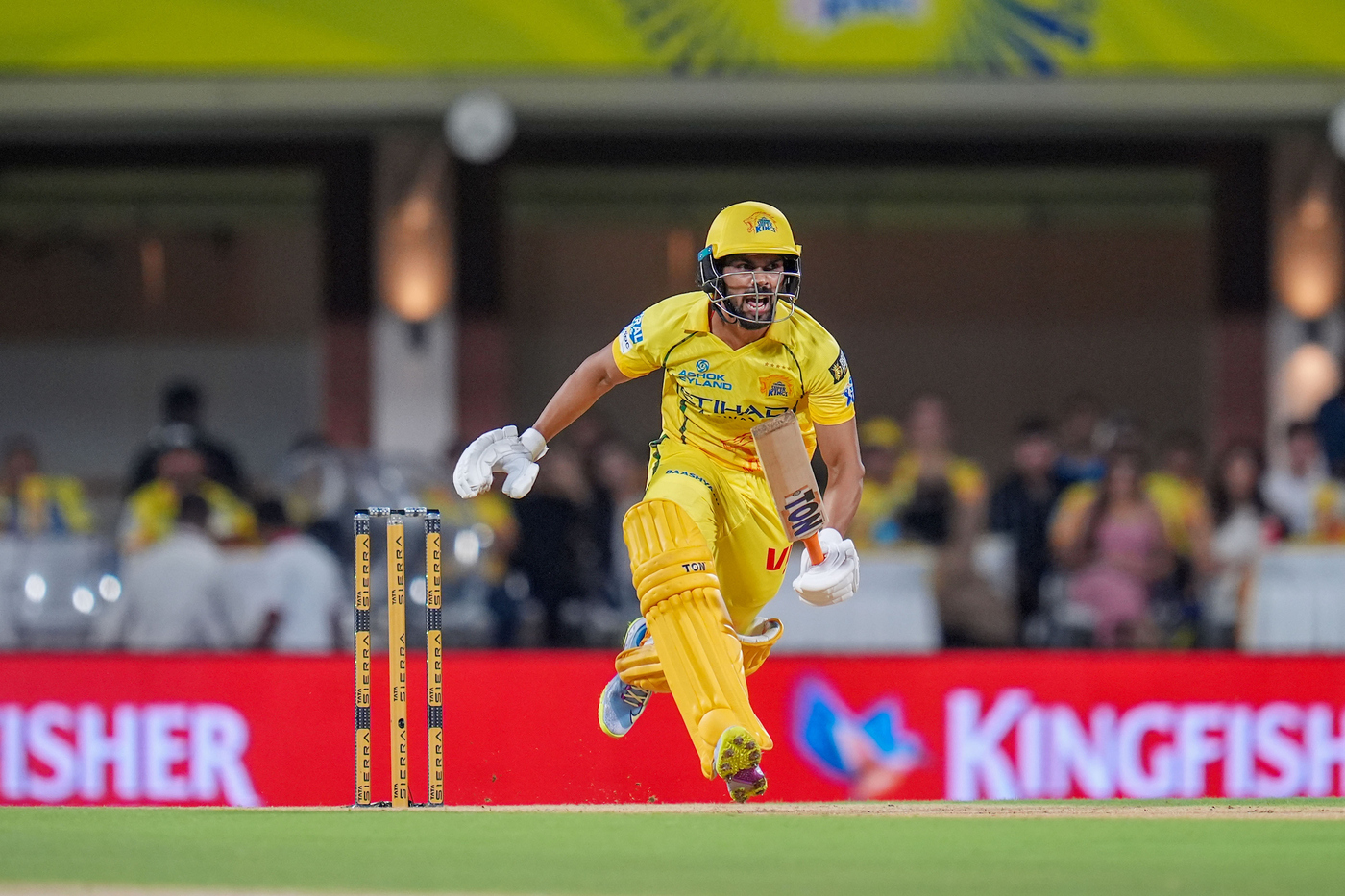
During recent matches, observers noticed that Gaikwad has been playing a very cautious game at the beginning of his innings. While he is known for his technical skill and ability to play long innings, he is currently failing to find the boundary early on. Wasim Jaffer used the term "tunnel vision" to describe this. He believes Gaikwad is so focused on the idea of scoring a century or a big fifty that he forgets to look at the immediate needs of the game. Instead of taking risks to help the team score quickly, he is playing safe to stay at the crease.
Important Numbers and Facts
Aaron Finch pointed out that Gaikwad is not getting off to a "flyer." In cricket terms, a flyer is a very fast start where a batter scores 20 or 30 runs in just a few balls. Without this explosive start, the team's run rate stays low during the powerplay, which is the first six overs of the game. Statistics show that teams that score heavily in the powerplay have a much higher chance of winning. Gaikwad’s current strike rate during these early overs has become a point of worry for coaches and fans alike.
Background and Context
Ruturaj Gaikwad rose to fame as a reliable and stylish opening batter. He has been a key player for the Chennai Super Kings and has earned a spot in the Indian national setup because of his consistency. In the past, his method of taking time to settle and then hitting big later worked well. However, the style of T20 cricket has changed quickly. Now, even a score of 200 is often not enough to win a match. This means openers can no longer afford to play "anchor" roles where they score slowly for the first half of the game. The pressure to score from the very first ball is higher than ever before.
Public or Industry Reaction
The reaction from the cricket community has been mixed but mostly critical of Gaikwad's recent tactics. Many fans feel that as a leader and a senior player, he should be setting a more aggressive tone. On social media, analysts have compared his strike rate to other young openers who play with more freedom and less fear of losing their wicket. Wasim Jaffer’s comments have sparked a debate about whether "milestone batting"—where a player cares more about their personal score—is still acceptable in the shortest format of the game. Aaron Finch’s view reflects a global trend where international teams prefer hitters who can change the game in just two or three overs.
What This Means Going Forward
Gaikwad will likely need to change his mindset to remain a top-tier choice for his team. This might involve taking more risks in the first few overs, even if it means he gets out more often. He needs to move away from the "tunnel vision" of just staying not out and instead focus on how many runs he can provide in a short amount of time. If he does not adjust, he may find himself under pressure from younger, more aggressive players who are ready to take his spot. The next few matches will be vital for him to show that he can adapt his game to the modern requirements of the sport.
Final Take
While Ruturaj Gaikwad remains one of the most talented batters in the country, his current approach is outdated for the fast-moving world of T20 cricket. To be a true match-winner, he must prioritize the team's momentum over personal milestones. Scoring big is important, but scoring fast is what wins games in today's environment. He has the skill to change, but he must first recognize that his current method is no longer enough to carry his team to victory.
Frequently Asked Questions
What did Wasim Jaffer mean by "tunnel vision"?
Jaffer meant that Gaikwad is focusing too much on the single goal of scoring a big individual total. This narrow focus prevents him from seeing that the team needs him to score faster, even if it means taking more risks.
Why is a "flyer" start important in cricket?
A "flyer" is a very fast start in the opening overs. It puts the bowling team under pressure, makes the fielders nervous, and allows the middle-order batters to play more comfortably later in the game.
Is Ruturaj Gaikwad still a good player?
Yes, he is highly skilled and technically sound. The criticism is not about his talent, but about his current strategy and how he chooses to build his innings in the T20 format.