
Summary
Russian intelligence services have launched a large-scale cyberattack targeting thousands of Signal accounts. The Federal Bureau of Investigation (FBI) recently warned that these hackers are specifically looking for United States government officials, military members, and journalists. By using clever tricks to bypass security, the attackers are gaining full access to private conversations and contact lists. This campaign represents a major threat to national security and the safety of sensitive information.
Main Impact
The primary impact of this hacking campaign is the loss of private data from high-ranking individuals. Signal is an app known for its strong privacy features, which is why many government and military leaders use it for daily communication. When these accounts are compromised, hackers can read every message sent or received. They can also see who the person is talking to, which allows them to map out secret government networks and find new people to target. This breach makes it much easier for foreign intelligence to track the movements and plans of the U.S. military and press.
Key Details
What Happened
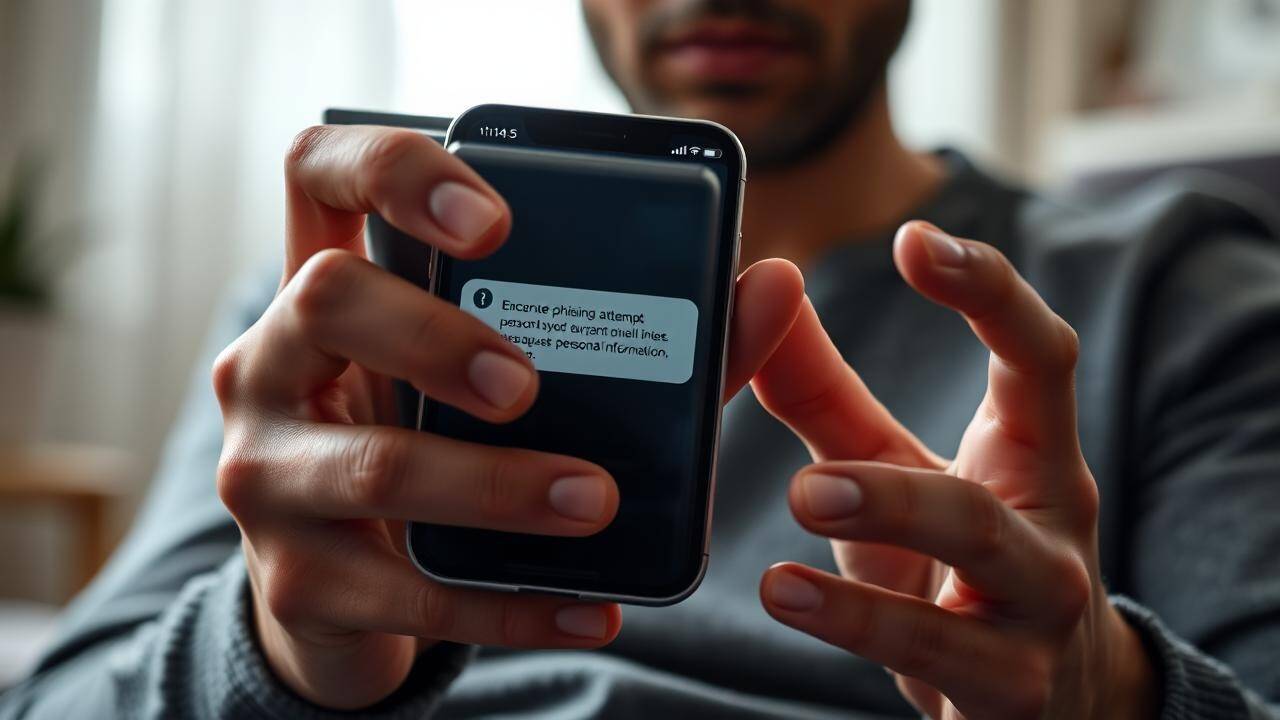
The hackers are using a method known as "social engineering" to get into these accounts. Instead of breaking the app's code, they trick the users themselves. The attackers send messages that look like they are coming from Signal’s official support team. These messages often claim there is a problem with the account or a security risk that needs to be fixed immediately. To "fix" the issue, the user is asked to provide a verification code or click on a link. Once the user follows these instructions, the hackers can register the account on their own devices, effectively locking the real owner out or spying on them in secret.
Important Numbers and Facts
The FBI reports that thousands of accounts have already been affected by this campaign. The targets are not random; they are carefully chosen based on their jobs and the information they might hold. Key groups being targeted include:
- U.S. Department of Defense employees and active military personnel.
- Government officials working in foreign policy and national security.
- Journalists who cover international news and government activities.
- Political activists and human rights workers.
The hackers are linked to Russian intelligence agencies, which have a long history of using digital tools to gather information on Western countries. By taking over these accounts, they can also launch "phishing" attacks on the victim's friends and coworkers, making the problem spread even faster.
Background and Context
Signal has long been considered the most secure messaging app available to the public. It uses "end-to-end encryption," which means that only the sender and the receiver can read the messages. Not even the company that makes Signal can see the content. Because of this high level of security, it has become the standard tool for people who handle sensitive information. However, no app is perfectly safe if a user is tricked into giving away their login details. This attack shows that hackers are moving away from trying to break encryption and are instead focusing on the "human element" of security. They know that it is often easier to trick a person than it is to break a computer's code.
Public or Industry Reaction
Security experts and government agencies are urging all Signal users to be on high alert. The FBI has issued specific guidance for government employees, telling them to never share verification codes with anyone, even if the request looks official. Signal itself has reminded users that they will never ask for a code through a chat message. Many in the tech industry are calling for better education on how to spot fake messages. Journalists are also being warned to take extra steps to protect their sources, as a compromised account could put many people in danger. The general reaction is one of concern, as this shows that even the most secure tools can be turned against their users if they are not careful.
What This Means Going Forward
This situation highlights a growing trend in global spying. As more people use encrypted apps, foreign intelligence agencies will continue to find creative ways to get around those protections. In the future, we can expect to see more attacks that impersonate technical support or use fake login pages. For users, this means that simply using a "safe" app is not enough. Everyone, especially those in important jobs, must use extra security features like a "Registration Lock" or a PIN on their Signal accounts. These extra steps make it much harder for a hacker to take over an account even if they manage to steal a verification code. The battle between hackers and security experts is moving toward the way people interact with their devices every day.
Final Take
The discovery of this Russian hacking campaign is a wake-up call for anyone using digital communication for sensitive work. While technology can provide strong walls to protect our data, those walls only work if the people inside are careful about who they let through the door. Staying safe online now requires a mix of strong software and a very healthy dose of skepticism toward any unexpected message, no matter how official it looks.
Frequently Asked Questions
How do I know if my Signal account has been hacked?
If you are suddenly logged out of your account or if you see messages that you did not send, your account may be compromised. You should also check your "Linked Devices" in the Signal settings to see if any unknown computers or phones are connected to your account.
Does Signal's encryption still work?
Yes, the encryption itself has not been broken. The hackers are not reading the messages by cracking the code; they are getting into the accounts by tricking users into giving them access. Once they are "in" the account, they can see everything just like the real owner can.
How can I protect my account from these attacks?
The best way to stay safe is to enable a "Registration Lock" in your Signal settings. This requires a PIN to register your phone number on a new device. Also, never share your SMS verification codes with anyone and be wary of any message claiming to be from Signal support.

